Are Tigers Endangered? Population, Threats & Conservation Explained
Are Tigers Endangered: Yes, tigers are endangered. As of 2026, fewer than 5,000–5,600 wild tigers remain globally, with estimates ranging from approximately 3,726 to 5,578 mature and immature individuals (excluding very young cubs in some counts), averaging around 4,500.
Once roaming across vast stretches of Asia in huge numbers, tigers are now fighting for survival in fragmented pockets of forest and wilderness.
Their iconic stripes, powerful presence, and role as apex predators make them a symbol of wild Asia, yet habitat destruction, poaching, and human pressures have pushed them to the brink.
Despite some encouraging population increases in key areas thanks to dedicated conservation, the species remains critically depleted and highly vulnerable.
Current Tiger Population (2026 Update)
Global wild tiger numbers have shown modest recovery in recent years but remain precariously low. The most recent IUCN assessments and national surveys place the population between 3,726 and 5,578 individuals, with roughly 3,140 mature tigers.
Some reports cite figures closer to 5,574 based on Global Tiger Forum data, reflecting a potential 40% increase in certain monitored sites between 2015 and 2022, and continued stabilization or growth in strongholds like India.
This slight upward trend marks a rare positive shift after decades of decline, largely due to improved monitoring, protected areas, and anti-poaching measures.
However, populations are still fragmented, and many tigers live outside well-surveyed reserves, making precise counts challenging. Experts emphasize that ongoing protection is essential—without it, gains could quickly reverse.
How many tigers are left in the world? Approximately 4,500–5,500 wild tigers remain as of 2026, a tiny fraction of their historical abundance.
Where Tigers Live Today
Tigers have lost over 93–95% of their historic range, now confined to scattered landscapes across about 10–13 countries in Asia. The strongest populations persist in:
- India: Home to the majority, with recent estimates around 3,167–3,682 tigers across 50+ tiger reserves under Project Tiger.
- Russia (primarily the Russian Far East): Around 480–750 Siberian (Amur) tigers.
- Indonesia (Sumatra): Roughly 371–400 Sumatran tigers in key national parks like Gunung Leuser, Kerinci Seblat, and Bukit Barisan Selatan.
- Nepal: Approximately 355 tigers, concentrated in landscapes such as Chitwan–Bardiya–Parsa.
- Bhutan: 100–151 tigers, with notable presence in areas like Phibsoo Wildlife Sanctuary.
- Smaller populations exist in Bangladesh (around 125), Thailand, Malaysia, China, and Myanmar.
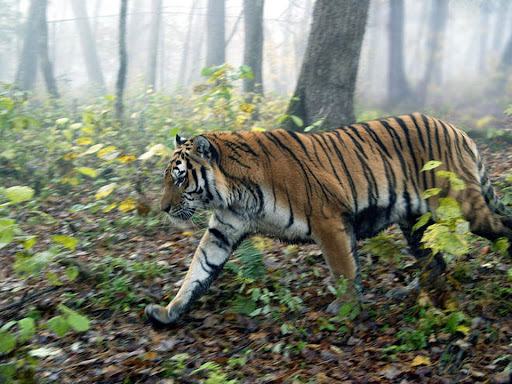
Iconic habitats include the mangrove forests of the Sundarbans (shared by India and Bangladesh), where tigers have adapted to swimming and hunting in tidal zones, and the vast taiga forests of Siberia, where Amur tigers endure extreme cold. These remaining ranges are often isolated, limiting gene flow and increasing vulnerability to local extinctions.
Why Tigers Are Endangered
Tigers face multiple interconnected threats that continue to drive their endangered status.
Habitat Loss and Deforestation
Rapid human expansion—agriculture (including palm oil plantations), logging, roads, mining, and settlements—has fragmented and destroyed tiger forests. Tigers require large territories (up to hundreds of square kilometers for males) for hunting and breeding.
Habitat loss affects about 85% of tiger populations and has reduced their range to a small percentage of what it once was. Fragmented patches make it harder for tigers to find mates or prey, leading to inbreeding and population sinks.
Poaching and Illegal Wildlife Trade
Poaching remains one of the most direct threats. Tigers are killed for their skins, bones, meat, and other parts used in traditional medicine or as luxury items.
Demand from illegal international trade fuels organized poaching networks. Even in protected areas, snares and targeted hunting take a toll, particularly on Sumatran and other isolated populations.
Human-Wildlife Conflict
As habitats shrink and prey becomes scarce, tigers increasingly venture near human settlements, sometimes attacking livestock. In retaliation, farmers or villagers may poison or trap tigers. This conflict is especially acute in densely populated regions like parts of India and Indonesia, where competition for space is intense.
Combined, these pressures create a cycle: fewer tigers mean weaker ecosystems, which in turn heightens conflict and poaching risks.
Tiger Conservation Efforts
Despite the challenges, tiger conservation has seen notable successes. Global initiatives like the TX2 goal (aiming to double wild tiger numbers) and national programs have driven progress.
- Protected Areas and National Parks: Countries have expanded tiger reserves and implemented stricter management. India’s Project Tiger network and Russia’s protected taiga zones provide safe havens with prey recovery programs.
- Anti-Poaching Laws and Patrols: Enhanced law enforcement, camera traps, and community ranger programs have reduced poaching in many sites. Organizations train and equip local teams to monitor and deter threats.
- Breeding and Reintroduction Programs: Captive breeding supports genetic diversity, while efforts in places like Kazakhstan explore reintroducing tigers to restored habitats. Prey species (deer, wild boar) are also being bolstered to support tiger recovery.
Key players include the World Wildlife Fund (WWF), which supports habitat connectivity, community engagement, and monitoring across range countries. Other partners like Panthera, IUCN, and national forest departments collaborate on science-based strategies.
Success stories include India’s tiger numbers more than doubling in some reserves since the early 2000s, a 27% increase in Bhutan, and signs of recovery in parts of China and Thailand.
Community involvement is crucial—programs that provide alternative livelihoods reduce reliance on illegal activities and build local support for conservation.
Tiger Subspecies Status
While taxonomy recognizes two main groups (continental and Sunda tigers), six surviving subspecies are commonly discussed:
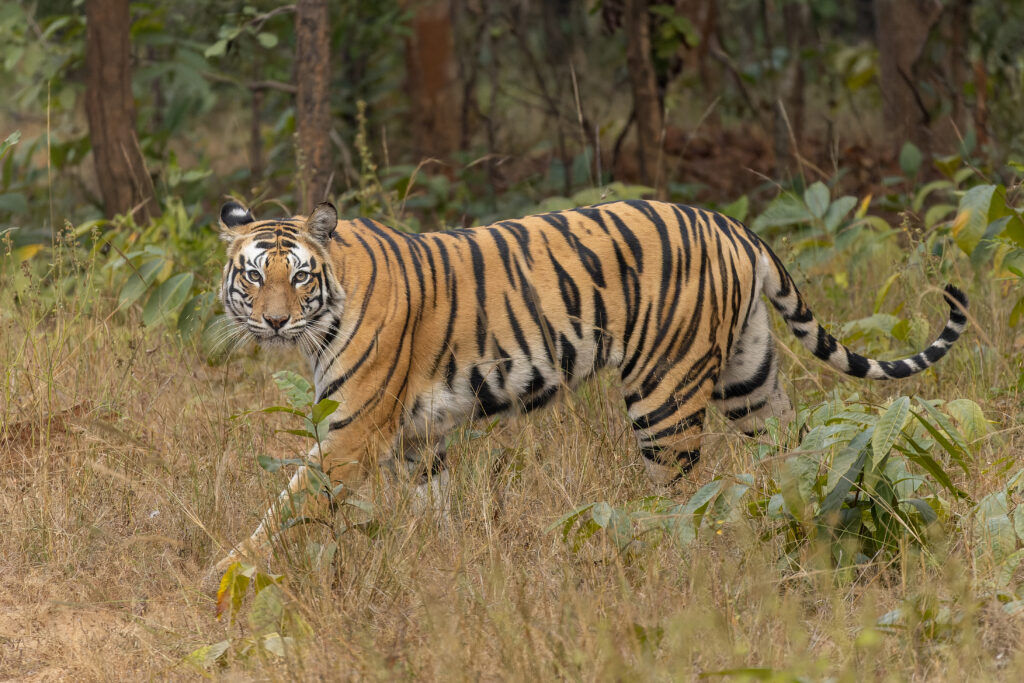
- Bengal tiger (Panthera tigris tigris): The most numerous, primarily in India; listed as Endangered. Makes up the bulk of the global population.
- Siberian (Amur) tiger (Panthera tigris altaica): Found in Russia and northeast China; Endangered, with populations showing resilience due to cold-adapted traits and strong protection.
- Sumatran tiger (Panthera tigris sumatrae): The smallest subspecies, restricted to Sumatra; Critically Endangered, facing intense pressure from habitat conversion.
- Other remaining subspecies (Indo-Chinese, Malayan, and the functionally extinct-in-wild South China tiger) have very small, fragmented numbers and are also Endangered or Critically Endangered.
Three subspecies (Bali, Javan, Caspian) are already extinct, underscoring the fragility of the remaining populations.
Historical Population Decline
Tigers once numbered around 100,000 at the start of the 20th century, ranging widely across Asia. Over the last century, populations plummeted due to trophy hunting, habitat conversion for agriculture and development, and unchecked poaching.
By the 1970s–1990s, numbers dropped below 10,000, reaching lows of around 3,200 in 2010. The decline was rapid: entire subspecies vanished, and vast forests were cleared. A timeline of decline might look like this:
- Early 1900s: ~100,000 tigers.
- Mid-20th century: Sharp drops from hunting and land conversion.
- 2010: ~3,200 (all-time low in modern surveys).
- 2022–2026: Stabilization and modest gains to ~4,500–5,500, thanks to targeted conservation.
This story of near-collapse highlights human impact but also the potential for recovery when efforts are sustained.
Importance of Tigers in Ecosystems
Tigers are apex predators that play a critical “guardian” role in maintaining ecosystem balance. By preying on herbivores like deer and wild boar, they prevent overgrazing, which helps preserve vegetation diversity, soil health, and forest structure. Healthier forests store more carbon, supporting climate regulation.
Their presence benefits biodiversity: controlled herbivore numbers allow smaller animals, birds, and plants to thrive. Tigers also serve as an umbrella species—protecting large tiger habitats automatically safeguards countless other species. In some regions, their role even indirectly reduces crop and livestock losses by influencing the behavior of other predators.
Without tigers, ecosystems can unravel, leading to imbalances that affect everything from water cycles to human livelihoods. Conserving them is an investment in planetary health.
Data & Statistics
- Population by country (approximate 2025–2026 figures): India (3,167–3,682), Russia (480–750), Indonesia (371–400), Nepal (355), Thailand (189), Bhutan (100–151), Bangladesh (~125), and smaller numbers elsewhere.
- Protected areas: Over 50 tiger reserves in India alone; many sites now meet Conservation Assured | Tiger Standards (CA|TS).
- Conservation successes: Some Indian reserves doubled tiger numbers; Bhutan saw a 27% increase; rare sightings of tigresses with multiple cubs in China signal improving conditions in select areas.
These figures come from national surveys using camera traps and scientific modeling, though gaps remain in unsurveyed or conflict zones.
FAQs – Are tigers endangered
How many tigers are left in the world?
Approximately 4,500–5,500 wild tigers remain as of 2026, according to IUCN and range-country data.
Why are tigers endangered?
The primary causes are habitat loss from deforestation and development, poaching for illegal trade, and human-wildlife conflict. These threats fragment populations and reduce prey availability.
Are tiger populations increasing?
In some strongholds like India, Russia, and Bhutan, numbers have stabilized or shown modest increases due to conservation. Globally, the trend is cautiously positive in monitored areas, but overall vulnerability persists.
Which tiger is most endangered?
The Sumatran tiger is critically endangered, with the smallest population and highest immediate risks from habitat conversion in Indonesia. The South China tiger is functionally extinct in the wild.
Tigers symbolize the wild, but their survival depends on collective action. Support reputable organizations like WWF, visit ethical eco-tourism sites that fund conservation, reduce demand for products driving illegal trade, and advocate for habitat protection. Small choices—such as supporting sustainable palm oil or forest-friendly policies—can make a difference.
By protecting tigers, we safeguard entire ecosystems and a piece of our shared natural heritage. Their roar must continue to echo through Asia’s forests for generations to come.