Best Time to Go Gorilla Trekking in Uganda & Rwanda: 2026 Guide
Best time to go gorilla trekking: Planning gorilla trekking in Uganda or Rwanda? Our 2026 guide covers the best time to go, dry vs rainy seasons, permit costs, weather tips, and budget advice for seeing mountain gorillas in Bwindi, Mgahinga, and Volcanoes National Parks. Book early for an epic adventure!
Introduction
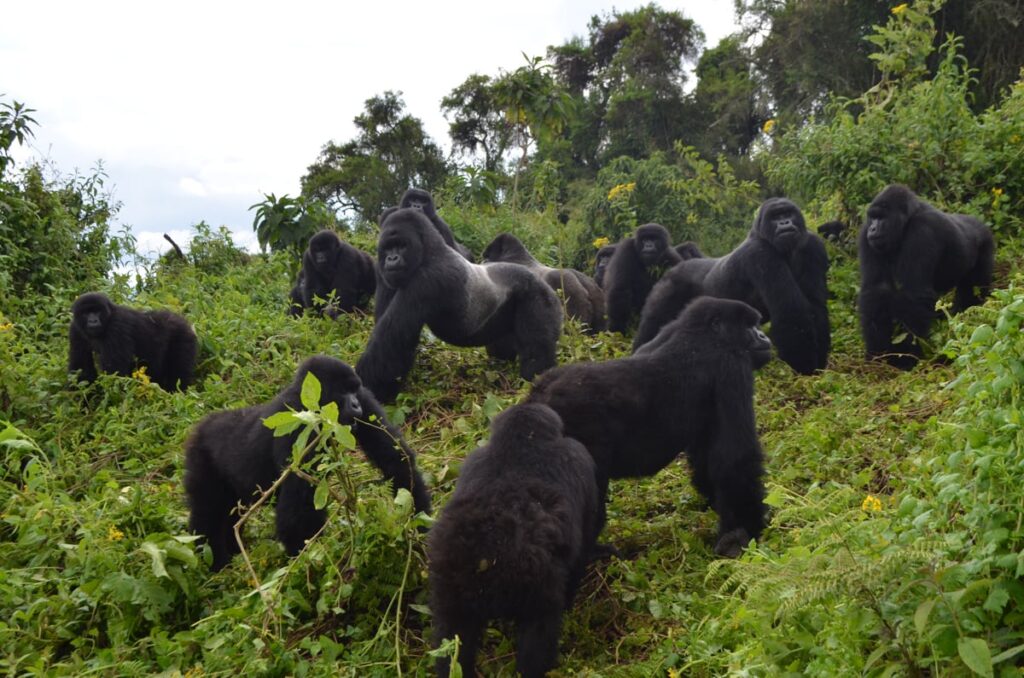
Gorilla trekking is one of the most extraordinary wildlife experiences on the planet, offering a rare chance to observe endangered mountain gorillas in their natural habitat. With only about 1,063 mountain gorillas left in the wild as of the latest estimates, these gentle giants are found primarily in the dense forests of East Africa.
Uganda and Rwanda are the top destinations for this adventure, home to iconic parks like Bwindi Impenetrable National Park and Mgahinga Gorilla National Park in Uganda, and Volcanoes National Park in Rwanda.
While the Democratic Republic of Congo (DRC) also hosts gorillas in Virunga National Park, this guide focuses on Uganda and Rwanda due to their stability, accessibility, and established tourism infrastructure.
The best time to go gorilla trekking depends on your priorities: easier trails and better visibility during the dry seasons, or fewer crowds and lower costs in the rainy seasons.
Permit costs are a key factor—$800 in Uganda and $1,500 in Rwanda for foreign non-residents—making budgeting essential. Trekking difficulty varies, but expect hikes of 2-8 hours on steep, muddy paths, requiring moderate fitness. Uganda offers denser forests and potentially longer hikes, while Rwanda provides easier access and luxury options.
In this comprehensive 2026 guide, we’ll break down seasonal considerations, month-by-month insights, country comparisons, pricing, weather details, FAQs, and practical tips to help you plan the perfect trip.
Whether you’re a budget traveler eyeing the cheapest times or seeking peak conditions for photography, we’ve got you covered.
Key parks include Bwindi (Uganda’s gorilla hotspot with over 450 individuals), Mgahinga (smaller but scenic), and Volcanoes (Rwanda’s volcanic wonder with about 350 gorillas).
Gorilla Trekking in the Dry Season (June–September, December–February)
The dry seasons are widely regarded as the optimal time for gorilla trekking in both Uganda and Rwanda. During these months, rainfall is minimal, trails are firmer, and hiking is less slippery.
This makes it easier to navigate the steep, forested terrain of Bwindi, Mgahinga, or Volcanoes National Park. Better weather also enhances photography opportunities, with clearer skies and less mist obscuring views of the gorillas.
Advantages:
- Easier hiking: Dry paths reduce the risk of mudslides and falls, ideal for moderate fitness levels.
- Less mud: Trails in Bwindi’s dense undergrowth or Volcanoes’ bamboo zones are more manageable.
- Better photography: Sunlight filters through the canopy, creating stunning shots of silverbacks and families.
- Wildlife visibility: Gorillas tend to stay lower on slopes, making them easier to locate.
Disadvantages:
- Higher prices: Peak demand drives up lodge rates and permit availability is competitive—book 6-9 months in advance.
- More tourists: Groups of up to 8 people per gorilla family can feel crowded, though regulations limit interactions to one hour.
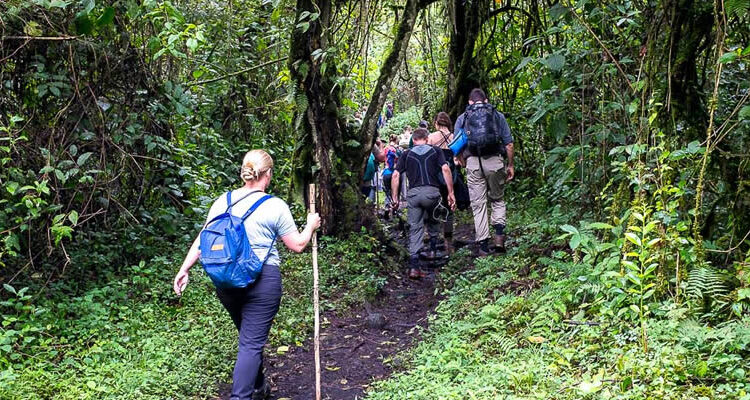
In Uganda, dry season treks in Bwindi often involve 3-6 hours of hiking, with porters available for $20-30 to carry gear. Rwanda’s Volcanoes Park offers shorter hikes (1-4 hours) due to easier access from Kinigi headquarters.
Gorilla Trekking in the Rainy Season (March–May, October–November)
The rainy seasons offer a different appeal: lush, vibrant landscapes and significant savings. While trails can be slippery and hikes more challenging, the forests burst with greenery, providing a magical backdrop.
Fewer tourists mean a more intimate experience, and gorillas often descend to lower altitudes for food, potentially shortening trek times.
Advantages:
- Fewer tourists: Enjoy near-private encounters with gorilla families.
- Lower lodge prices: Discounts of 20-40% on accommodations in Bwindi or Volcanoes.
- Greener scenery: The misty forests are photogenic, with fresh vegetation attracting more birdlife.
- Easier permits: Availability is higher, especially in Uganda.
Disadvantages:
- Slippery trails: Muddy paths increase trekking difficulty—expect 4-8 hours in heavy rain.
- Wetter conditions: Afternoon showers are common, so waterproof gear is essential.
- Potential cancellations: Rare, but extreme weather can delay starts.
Budget travelers flock here, with Uganda being more affordable overall. In Rwanda, the rainy season aligns with low-season permit discounts for certain groups, like African citizens.
Month-by-Month Breakdown for Gorilla Trekking
Google favors detailed monthly guides for SEO, so here’s a breakdown tailored to 2026 conditions based on historical patterns and climate data.
- January: Dry and clear; good trekking with low crowds. Temps: 15-25°C (59-77°F). Ideal for combining with Uganda safaris.
- February: Continued dry weather; fewer tourists than peak months. Excellent visibility in Volcanoes Park.
- March: Start of rains; cheaper lodges but muddier trails. Greener forests in Bwindi.
- April: Heavy rains; discounted rates, but hikes can be tough (4-7 hours). Best for budget travelers.
- May: Wet but with deals; lush scenery, fewer people. Permits easier to secure.
- June: Peak dry season begins; firm trails, high demand. Book early for Rwanda.
- July: Best visibility; busy but ideal conditions. Temps drop at night (7-15°C/45-59°F).
- August: Peak crowds; excellent for photography in Mgahinga.
- September: Good balance; end of dry season with milder temps.
- October: Short rains begin; cheaper, vibrant landscapes.
- November: Wet but affordable; fewer tourists, potential for shorter treks.
- December: Dry season returns; holiday crowds, but great for family trips.
This structure helps capture seasonal search intent like “best month for gorilla trekking in Uganda.”
Compare Uganda vs Rwanda: Which Country Is Better for Gorilla Trekking?
Choosing between Uganda and Rwanda depends on budget, trek difficulty, and luxury preferences. Both offer incredible gorilla viewing, but here’s a detailed comparison.
Uganda:
- Cheaper permits: $800 vs Rwanda’s $1,500.
- Dense forests: Bwindi’s hikes are longer (3-8 hours) and more adventurous.
- More gorillas: Over 450 in Bwindi alone, plus habituation experiences ($1,500 for 4 hours).
- Budget-friendly: Affordable lodges, but longer drives from Entebbe (2 days).
Rwanda:
- Expensive permits: $1,500, but easier access from Kigali (2-3 hours to Volcanoes).
- Shorter hikes: Often 1-4 hours due to gentler slopes.
- Luxury lodges: High-end options like Bisate or Sabyinyo Silverback Lodge.
- Cleaner infrastructure: Rwanda’s “Switzerland of Africa” vibe with paved roads.
Uganda suits adventurers and budgets; Rwanda excels in convenience and luxury. For a mix, consider a cross-border tour.
Pricing & Budget Timing for Gorilla Trekking
Gorilla trekking isn’t cheap, but timing can save money. Core costs include permits ($800 Uganda, $1,500 Rwanda), lodges ($200-1,000/night), and transport.
- Best time for budget travelers: Rainy seasons (March-May, Oct-Nov) with 20-50% off lodges.
- Peak vs low season pricing: Dry season lodges in Bwindi can hit $800/night; low season drops to $400.
- Total trip cost: 3-day Uganda safari: $1,500-3,000/person; Rwanda: $2,500-5,000. Add flights, tips ($10-20/porter).
Weather & Temperature Info for Gorilla Trekking
Weather in these high-altitude forests (2,400-4,500m) is cool and variable. Annual rainfall: 1,400-2,400mm in Bwindi; similar in Volcanoes.
- Average temps: Day: 15-25°C (59-77°F); Night: 7-15°C (45-59°F).
- Rainfall levels: Heavy in March-May (200-300mm/month); minimal in July (50mm).
- Altitude effects: Thinner air means prepare for breathlessness; acclimate in Kigali or Kampala.
- What to pack: Dry season—light layers, hat; Rainy—waterproof jacket, gaiters, insect repellent.
FAQs for Gorilla Trekking
What is the best month for gorilla trekking?
July offers peak dry conditions, firm trails, and excellent visibility in both countries
Is gorilla trekking possible in rainy season?
Yes, but expect slippery paths. Benefits include fewer crowds and discounts; hikes may take longer.
Is July the best time for gorilla trekking?
Absolutely—dry weather, easier access, but book early due to high demand.
When is the cheapest time to trek gorillas?
March-May and October-November; lower lodge rates and easier permits.
How difficult is gorilla trekking?
Moderate to strenuous; 2-8 hours hiking on steep terrain. Fitness prep and porters help.
Travel Tips for Gorilla Trekking
- Book permits 3-6 months in advance, especially for dry season.
- Fitness preparation: HIIT or hiking 3-4 times/week for 2 months.
- Age limit: 15+; no children under due to health risks.
- What to wear: Sturdy boots, long pants, gloves for nettles.
- Hire porters: $20-30; supports local communities.
- Health: Yellow fever vaccine required; malaria prophylaxis advised.
Dry vs Rainy Season Comparison Table
|
Aspect |
Dry Season (June–Sept, Dec–Feb) |
Rainy Season (March–May, Oct–Nov) |
|
Hiking Difficulty |
Easier, firm trails |
Slippery, muddier paths |
|
Crowds |
Higher, more tourists |
Fewer, more intimate |
|
Prices |
Higher lodge rates |
20-50% discounts |
|
Scenery |
Clear views, better photos |
Lush, green forests |
|
Permit Availability |
Competitive, book early |
Easier to secure |
|
Weather |
Minimal rain, cooler nights |
Frequent showers, humid |
Uganda vs Rwanda Comparison Table
|
Aspect |
Uganda (Bwindi/Mgahinga) |
Rwanda (Volcanoes) |
|
Permit Cost |
$800 |
$1,500 |
|
Trek Length |
3-8 hours, denser forest |
1-4 hours, easier slopes |
|
Accessibility |
Longer drives (2 days from Entebbe) |
Quick from Kigali (2-3 hours) |
|
Lodges |
Budget to mid-range |
Luxury-focused |
|
Gorilla Numbers |
450+ in Bwindi |
350+ in Volcanoes |
|
Overall Vibe |
Adventurous, affordable |
Convenient, premium |
Plan your gorilla trekking adventure at the perfect time. Contact us today to secure your permits.