Best Time to Visit Uganda for Wildlife Safaris, Gorillas & Birdwatching
Best Time to Visit Uganda: Uganda is one of Africa’s premier safari destinations, renowned as the Pearl of Africa for its incredible biodiversity.
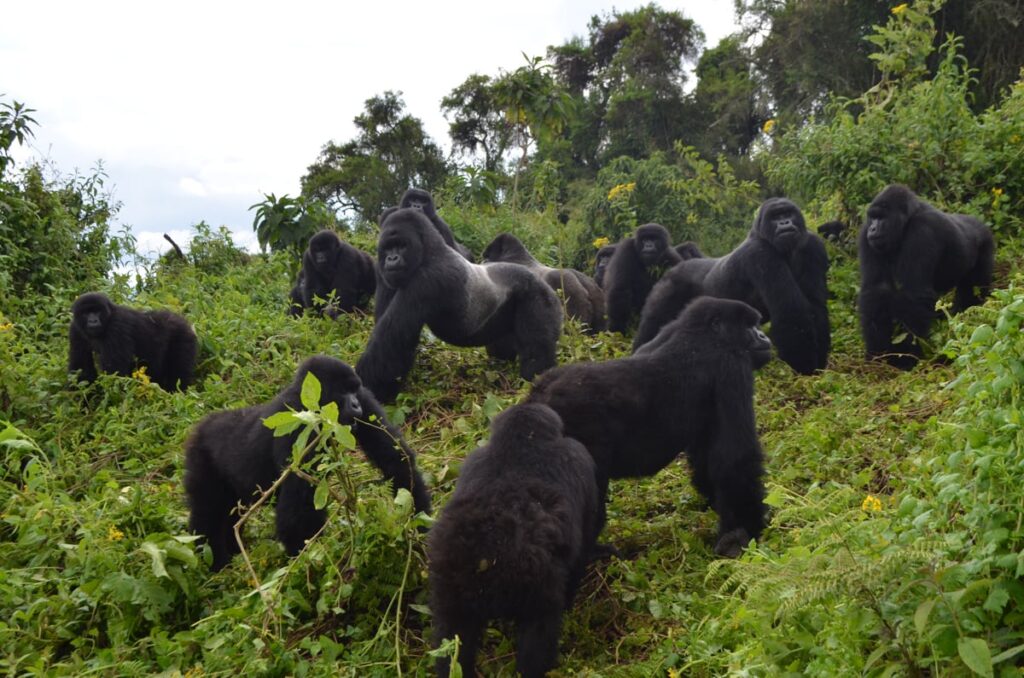
This equatorial nation boasts the highest number of primate species on the continent, including the majestic mountain gorillas in Bwindi Impenetrable National Park and chimpanzees in lush forests.
With diverse landscapes ranging from savannas teeming with the Big Five to misty rainforests and dramatic waterfalls, Uganda offers unparalleled wildlife experiences.
However, the timing of your visit significantly impacts your adventure—whether you’re prioritizing gorilla trekking, wildlife safaris, chimpanzee encounters, or birdwatching.
The country’s equatorial location means warm temperatures year-round (typically 20-30°C/68-86°F), but rainfall patterns create distinct seasons that affect trail conditions, animal visibility, and crowds. Understanding Uganda’s travel seasons helps you choose the best time to visit Uganda for your interests.
Uganda Climate and Seasons
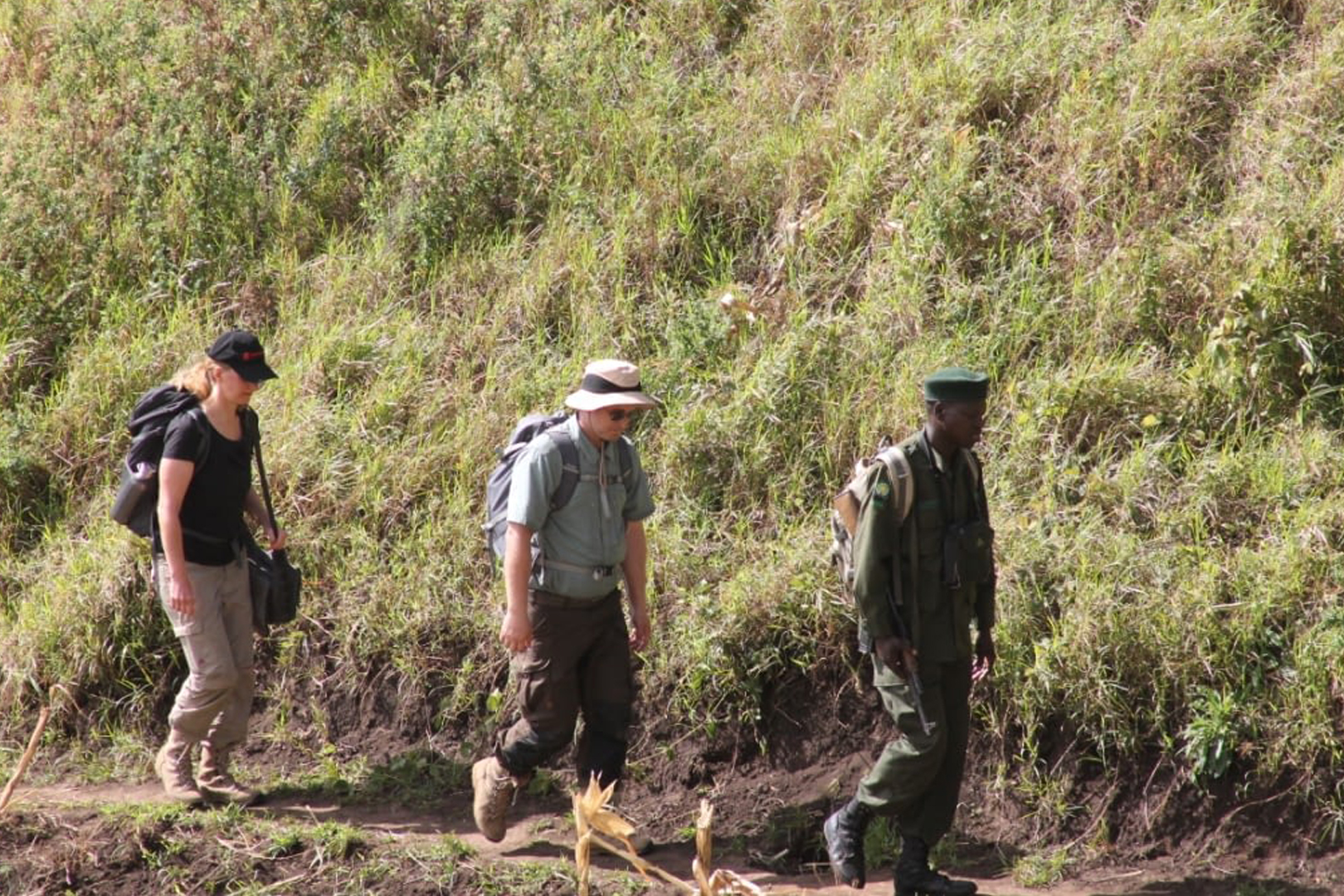
Best time to visit Uganda: Uganda experiences two main dry seasons and two wet seasons, influenced by its position on the equator and elevation variations.
- Dry Season (Best for Safaris and Trekking): June–September (long dry season) and December–February (short dry season). These periods feature minimal rainfall, clearer skies, and firmer trails. Wildlife concentrates around water sources, making sightings easier, while trekking conditions are optimal with less mud.
- Wet Season (Green Season): March–May (long rains, heaviest in April) and October–November (short rains). Expect afternoon showers, lush greenery, blooming landscapes, and fewer tourists. This is ideal for birdwatching as migratory species arrive, though roads and trails can be muddy.
Temperatures remain consistent, but humidity rises in wet months. Northern areas like Kidepo may have slightly different patterns, with a more pronounced dry period.
Month-by-Month Travel Guide
Here’s a detailed month-by-month breakdown to help you plan the best month to visit Uganda:
- January–February: Excellent dry season. Warm, sunny days with low rainfall make this prime for wildlife safaris and gorilla trekking. Animals gather at waterholes, and trails in Bwindi are drier. Fewer crowds than peak mid-year, with good value on accommodations. Ideal for combining safaris in Queen Elizabeth or Murchison Falls with primate adventures.
- March–May: Long rainy season begins. Landscapes turn vibrantly green, perfect for birdwatching and photography. Fewer tourists mean peaceful experiences and potential discounts. Gorilla trekking is possible but muddier trails require more effort. Great for budget travelers seeking lush scenery.
- June–September: Peak Uganda safari season and the best time for gorilla trekking. Dry conditions ensure easier access, better wildlife viewing (especially in savanna parks), and comfortable trekking. July–August are busiest—book early. Wildlife is concentrated, and birding remains strong.
- October–November: Short rains arrive. Greenery persists, with good birding as migrants pass through. Wildlife viewing is still viable, though some trails may be slippery. Lower crowds and prices make this a shoulder season gem for relaxed safaris.
- December: Transition to dry season. Pleasant weather, festive atmosphere, and solid wildlife sightings. A great time to end the year with a memorable Uganda adventure.
Best Time for Gorilla Trekking
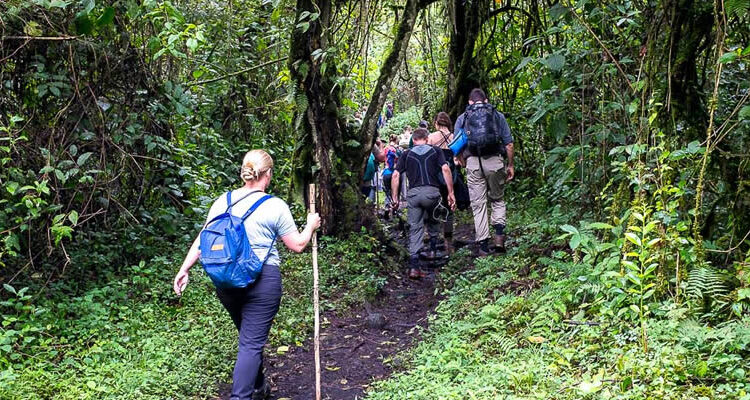
Gorilla trekking is available year-round in Bwindi Impenetrable National Park (home to half the world’s mountain gorillas) and Mgahinga Gorilla National Park.
However, the Uganda gorilla trekking season peaks during dry months (June–September and December–February). Trails are less muddy, hikes are easier, and visibility improves in drier vegetation.
Wet seasons bring challenges like slippery paths but fewer groups and potentially discounted permits. Always book permits early through the Uganda Wildlife Authority—demand is high year-round.
Best Time for Wildlife Safaris
The best time for wildlife safaris in Uganda aligns with dry seasons (June–September and December–February). Animals like elephants, lions, leopards, giraffes, buffaloes, and hippos congregate near rivers and waterholes, boosting sightings. Top parks include:
- Murchison Falls National Park (largest, with Nile boat cruises and the dramatic falls).
- Queen Elizabeth National Park (tree-climbing lions in Ishasha, diverse ecosystems).
- Kidepo Valley National Park (remote, stunning scenery with abundant predators).
Wet seasons offer lush backdrops and newborn animals but can limit road access.
Best Time for Chimpanzee Trekking
Chimpanzee trekking in Kibale National Park (with the highest primate density) is possible year-round. Dry seasons (June–September, December–February) provide easier forest navigation and clearer views. Wet months bring vibrant greenery and active chimps, with fewer visitors for a more intimate experience.
Best Time for Bird Watching
Uganda boasts over 1,000 bird species, earning it a top birding spot. The best time is November–April, when migratory birds arrive and resident species breed.
Key areas include Mabamba Swamp (famous for the prehistoric-looking Shoebill stork—best August–September or December–February during breeding). Dry seasons concentrate birds at water sources, while wet months feature lush habitats.
Best Time for Budget Travel
The low/wet season (March–May, October–November) offers the best budget travel opportunities: cheaper lodges, discounted packages, and fewer crowds. Gorilla permits may be easier to secure, and landscapes are at their greenest.
Wildlife You Can See in Uganda
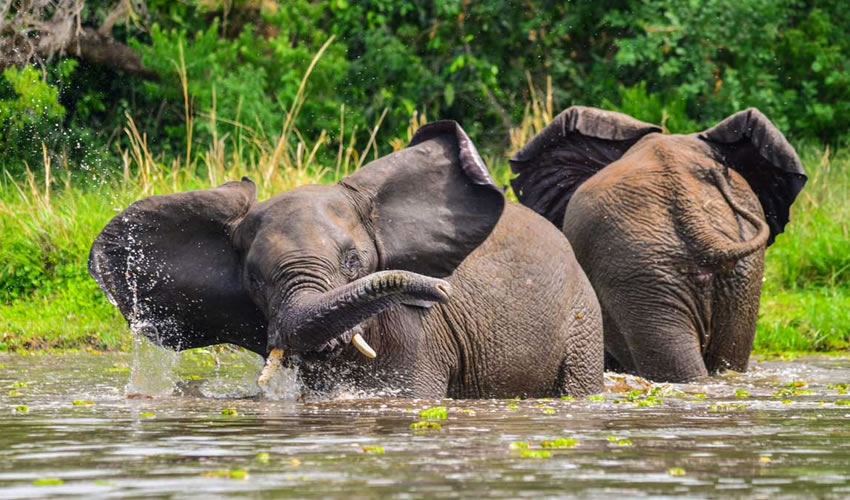
Uganda delivers thrilling encounters with sought-after species:
- African Elephant herds in savanna parks.
- Lion prides, including tree-climbers in Queen Elizabeth.
- Elusive Leopard.
- Towering Giraffe.
- Plus hippos, buffaloes, antelopes, and primates.
Best National Parks to Visit in Uganda
- Murchison Falls National Park: Dramatic Nile falls, boat safaris, abundant elephants and giraffes.
- Queen Elizabeth National Park: Diverse habitats, tree-climbing lions, volcanic craters.
- Lake Mburo National Park: Compact, great for walking safaris and zebra herds.
- Others like Bwindi (gorillas), Kibale (chimps), and Kidepo (remote wilderness).
Travel Tips for Visiting Uganda
- Pack light, breathable clothing; layers for cooler mornings/evenings.
- Bring insect repellent, sunscreen, and rain gear.
- Book gorilla permits 6–12 months ahead.
- Carry binoculars for birding and wildlife.
- Use reputable operators for safe transfers.
- Respect local customs and wildlife guidelines.
FAQs about Best Time to Visit Uganda
What is the best month to visit Uganda?
June–August or December–February for optimal dry conditions, wildlife viewing, and trekking.
When is the best time for gorilla trekking in Uganda?
Dry seasons (June–September, December–February) for easier trails and better weather.
Is Uganda good for safari all year round?
Yes—year-round safaris are possible, but dry seasons offer the best visibility.
What is the rainy season in Uganda?
March–May (long) and October–November (short), with lush scenery but potential mud.
Ready to experience the Pearl of Africa? Check our Uganda safari itineraries for tailored trips combining gorillas, wildlife, and more. Contact us today to book your dream Uganda safari—spots fill fast in peak season! Whether it’s your first primate encounter or a multi-park adventure, Uganda awaits.