
Akagera National Park Safari Guide: Everything You Need to Know
Akagera National Park Safari Guide: Explore Akagera National Park with our expert safari guide. Learn about the Big Five, safari activities, park fees, accommodation, and travel planning.
Akagera National Park is Rwanda’s only Big Five wildlife reserve, a 1,122-square-kilometre savanna and wetland park in eastern Rwanda along the Tanzanian border, roughly 2.5 to 3 hours by road from Kigali.
It’s home to lions, leopards, elephants, buffalo, and both black and white rhinos, alongside over 520 bird species, and it’s one of Africa’s most celebrated conservation comeback stories after being restored from near-collapse over the past decade.
An Akagera National Park safari can be done as a single-day trip from Kigali or extended into a multi-day stay, and it pairs naturally with a broader Uganda and Rwanda safari itinerary.
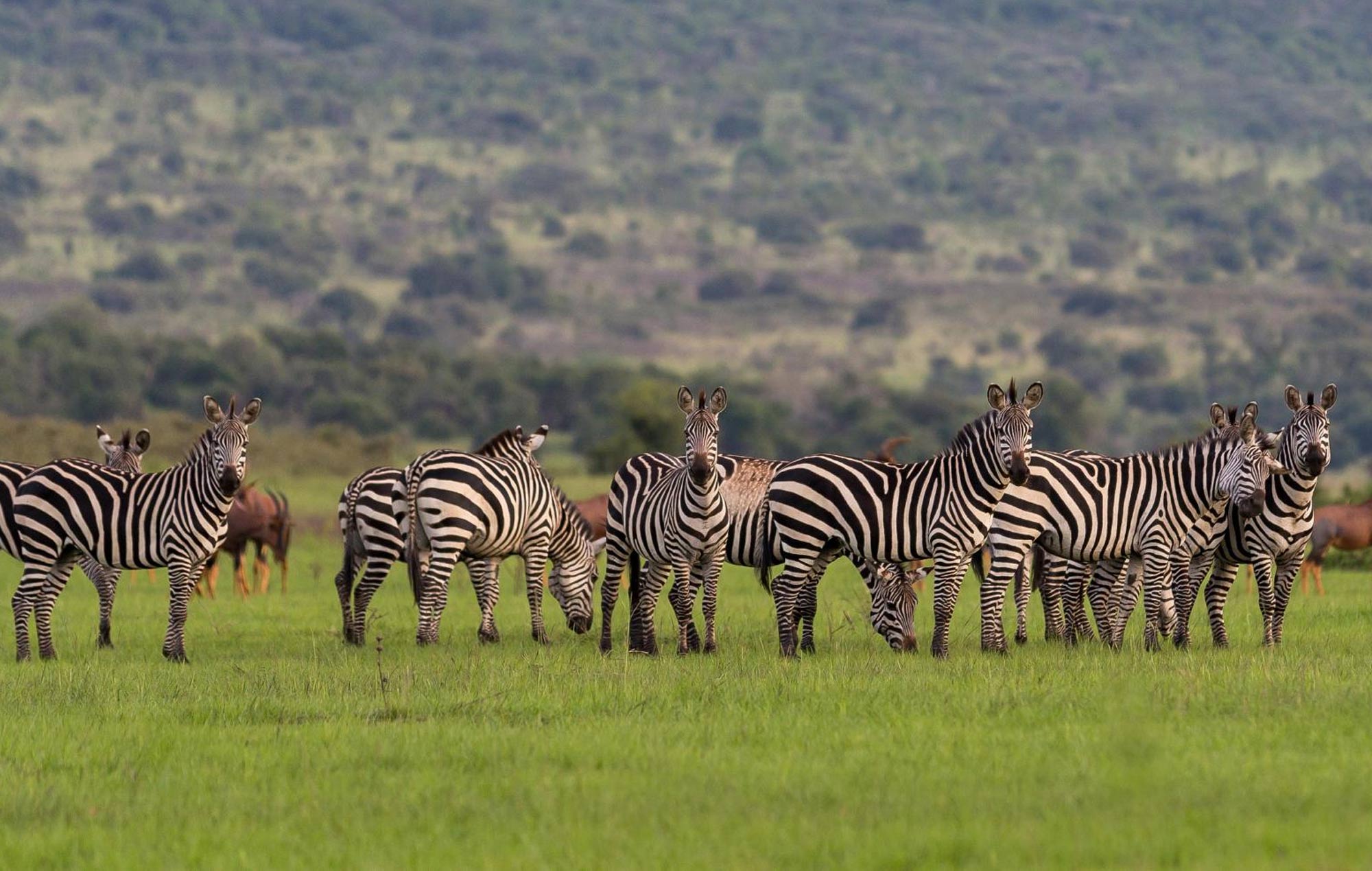
Where Is Akagera National Park?
Akagera National Park sits in Rwanda’s Eastern Province, mainly across the Kayonza and Gatsibo districts, running along the country’s border with Tanzania.
The Akagera River, which gives the park its name, forms much of its eastern boundary and feeds into Lake Ihema and a network of smaller lakes before continuing south toward Lake Victoria.
The park’s lower elevation compared to the rest of Rwanda — between roughly 1,300 and 2,000 metres — gives it a warmer, drier climate suited to open savanna rather than the montane forest that dominates western and northern Rwanda.
The southern entrance is approximately 135 kilometres, or 2.5 to 3 hours by road, east of Kigali on well-maintained tarmac. That distance is short enough that Akagera works genuinely well as a day trip from Kigali, though an overnight stay opens up night drives and a fuller exploration of the park’s northern plains.
Why Akagera National Park Deserves a Place on Your Rwanda Itinerary
Most travellers plan a Rwanda trip around mountain gorilla trekking in Volcanoes National Park, and understandably so — but skipping Akagera means missing the country’s other extraordinary wildlife experience.
Akagera is the only place in Rwanda offering open savanna game viewing, boat safaris across papyrus-fringed lakes, and night drives for nocturnal species, all within one compact, well-managed protected area.
It also offers something increasingly hard to find on an African safari: genuine uncrowded viewing. Unlike the Masai Mara or Serengeti at peak season, where a single lion sighting can draw a dozen vehicles, Akagera’s more modest visitor numbers mean many wildlife encounters happen with no other vehicle in sight.
Akagera’s Conservation Story: From Near-Collapse to Big Five Comeback
Akagera was first gazetted as a protected area in 1934 and, for decades, ranked among East Africa’s finest savanna wildlife destinations. The aftermath of the 1994 genocide against the Tutsi changed that dramatically — the return of large numbers of refugees put enormous pressure on land, roughly half of the original park was degazetted for resettlement, and the remaining protected area suffered severe poaching. Lions disappeared entirely; black rhinos vanished.
The turnaround began in 2010, when a partnership between the Rwanda Development Board and African Parks created the Akagera Management Company to take over day-to-day management. Anti-poaching enforcement, a boundary fence to reduce human-wildlife conflict, and an ambitious reintroduction programme followed.
Lions returned in 2015. Black and white rhinos were reintroduced in stages, including one of the largest single rhino translocations in history. Today, Akagera stands as one of Africa’s clearest examples of a wildlife reserve rebuilt from near-total depletion into a genuine Big Five destination.
Wildlife in Akagera National Park
The Big Five
Akagera is the only place in Rwanda where visitors can realistically see all five of Africa’s Big Five in one safari.
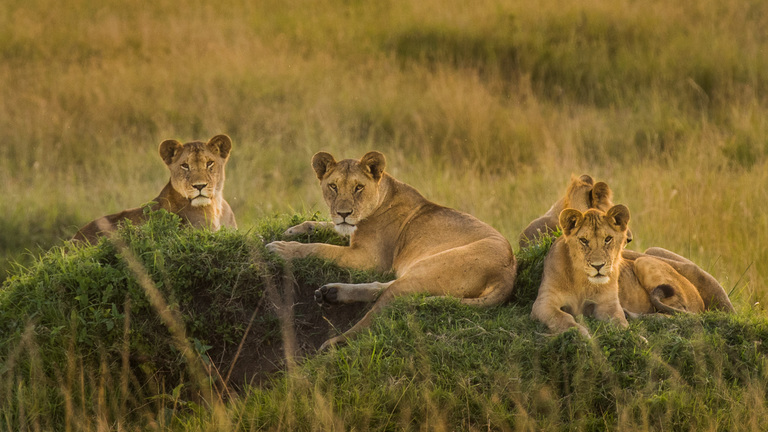
Lions, reintroduced in 2015, have established breeding prides across the northern and central plains, most reliably spotted on early morning game drives when the open grassland offers long sightlines.
Leopards remain the most elusive of the five, favouring wooded areas and riverside vegetation; dawn, dusk, and night drives offer the best chances.
Elephants concentrate around the park’s lake systems in the southern and central sections, typically encountered in the late morning and afternoon.
Buffalo form some of the park’s largest wildlife gatherings, with herds of several hundred common in the central grasslands.
Rhinos — both black and white — are the park’s most conservation-significant species, with populations growing steadily under close ranger monitoring.
Beyond the Big Five
Masai giraffes, plains zebras, hippos, and Nile crocodiles are all reliably encountered, alongside more than a dozen antelope species including the sitatunga, a papyrus-swamp specialist best seen from a boat on Lake Ihema. Night drives reveal a different cast entirely — spotted hyenas, servals, civets, genets, and bush babies among them.
Birding in Akagera
With over 520 recorded species, Akagera is Rwanda’s premier savanna and wetland birding destination, distinct from the forest-endemic species found in Nyungwe. The park’s papyrus swamps are one of East Africa’s more reliable spots for the shoebill stork, a genuinely prehistoric-looking bird near the top of most serious birders’ target lists. The lilac-breasted roller, African fish eagle, and an unusually high diversity of raptors round out the park’s birdlife.
Akagera National Park Entrance Fees
Entry to Akagera is charged per person per day, with different rates for international visitors, East African Community residents, and Rwandan or EAC citizens.
International non-resident rates run roughly $100 per adult for a single day, scaling to about $150 for two days and $200 for three, with no additional entry charge for stays beyond three nights up to a week.
Activity fees — game drives, night drives, and boat trips on Lake Ihema — are charged separately on top of the base entrance fee. Rates are periodically revised, so it’s worth confirming current pricing directly with the park or your tour operator before finalising a booking.
Things to Do in Akagera National Park
Game drives are the core of any Akagera safari, available as guided drives with an experienced ranger-driver or as self-drive routes for travellers with their own 4×4. Northern-sector drives focus on open grassland where lions, giraffes, and zebra herds concentrate; southern-sector routes wind around the lake systems where elephants, buffalo, and birdlife are most reliable.
Night game drives run for roughly 2.5 hours after sunset and reveal nocturnal species invisible during the day, including a genuinely strong chance of leopard and hyena sightings.
A boat safari on Lake Ihema is arguably Akagera’s signature activity — hippos, basking crocodiles, and the elusive shoebill stork are all far more approachable from a slow-moving boat than from a vehicle on land.
Walking safaris, offered at select lodges with an armed ranger escort, put visitors at ground level with the ecosystem in a way no vehicle-based activity can match.
Community and cultural visits near the park introduce the Imigongo art tradition — geometric patterns made from cow dung and natural pigment, unique to eastern Rwanda — alongside insight into the communities whose livelihoods are now tied to the park’s conservation success.
Where to Stay: Akagera National Park Accommodation
Akagera’s accommodation spans every budget tier. Luxury travellers have Wilderness Magashi Camp, an exclusive tented camp in a private northern concession, and Ruzizi Tented Lodge, positioned directly on the shores of Lake Ihema. Mid-range visitors are well served by lodges near the southern gate offering comfortable rooms and easy park access.
Budget-conscious travellers can camp at several designated sites across the park, from $15 to $25 per person per night, for a genuinely immersive bush experience with wildlife sounds carrying through the night.
Best Time to Visit Akagera National Park
The long dry season, June to September, offers the best wildlife viewing — shorter grass improves visibility across the plains, and animals concentrate around remaining water sources.
The shorter dry season from December to February offers similarly strong game viewing with fewer visitors.
The wet seasons, March to May and October to November, are less ideal for game drives due to taller grass and occasionally slippery tracks, but reward visitors with lush scenery, active birdlife, and newborn wildlife, plus generally lower accommodation rates.
Planning an Akagera Safari Around Your Wider Uganda and Rwanda Trip
Akagera pairs naturally with a broader East African itinerary. A single day is enough for a highlights visit — a morning game drive followed by an afternoon boat safari — while two to three days allow for a night drive, full exploration of both the northern and southern sectors, and a realistic chance at spotting the park’s rhinos.
Many travellers combine Akagera with gorilla trekking in Rwanda’s Volcanoes National Park or extend further into Uganda’s own exceptional national parks, building a single trip that covers Big Five savanna safari, mountain gorilla trekking, and chimpanzee tracking without needing to choose between them.
FAQs – Akagera National Park Safari Guide
Can you see the Big Five in Akagera National Park? Yes. Akagera is Rwanda’s only Big Five reserve, with lions, leopards, elephants, buffalo, and both black and white rhinos all present, though rhinos and leopards typically require a bit more patience than the other three.
How far is Akagera National Park from Kigali? Approximately 135 kilometres, or 2.5 to 3 hours by road, making it genuinely feasible as a day trip from the capital.
Is Akagera good for birding? Yes — with over 520 recorded species, including the highly sought-after shoebill stork, Akagera is Rwanda’s premier savanna and wetland birding destination.
How many days should I spend in Akagera National Park? One day covers the highlights; two to three days allow for a fuller experience including a night drive and a realistic chance at spotting the park’s rhinos.
Can I combine Akagera with gorilla trekking in Rwanda or Uganda? Yes — Akagera fits naturally into a wider itinerary alongside Volcanoes National Park gorilla trekking in Rwanda or a full gorilla and wildlife circuit through Uganda.
Plan Your Akagera National Park Safari
An Akagera National Park safari is one of the most rewarding, and most overlooked, wildlife experiences in East Africa — genuine Big Five game viewing without the crowds, paired with one of the continent’s most inspiring conservation recovery stories.
All Uganda Safari Tours designs tailored Uganda and Rwanda safari itineraries that bring Akagera’s savanna wildlife together with gorilla trekking, chimpanzee tracking, and the rest of East Africa’s finest parks into one seamless trip.
Whatever combination of wildlife, budget, and travel style you have in mind, get in touch and let’s build your Akagera safari itinerary from there.