Where Do Tigers Live? Habitat, Range & Distribution Explained
Where do tigers live: Tigers live mainly in Asia, inhabiting a variety of environments including forests, grasslands, and wetlands. They are found across key regions such as India (home to the majority of the global population), Russia’s Far East, and Indonesia’s Sumatra, with smaller numbers in countries like Nepal, Bhutan, Thailand, Malaysia, and Bangladesh.
From the icy taiga forests of Siberia to the steamy tropical jungles and mangrove swamps of South and Southeast Asia, tigers demonstrate remarkable adaptability.
These apex predators once roamed across a vast expanse of the continent, but today their wild populations are confined to fragmented habitats.
Understanding where tigers are found, their tiger habitats, and the challenges they face is essential for appreciating these majestic animals and supporting their survival.
Where Tigers Are Found – Geographical Distribution
Wild tigers are exclusively native to Asia and do not live in Africa or any other continent in the wild. Their current distribution is limited to about 13 tiger range countries, occupying less than 7-10% of their historical range. India stands out as the global stronghold, supporting roughly 70-75% of all wild tigers.
Key regions include:
- South Asia: India, Nepal, Bhutan, and Bangladesh host the largest populations, primarily Bengal tigers. Iconic sites include India’s numerous tiger reserves and the Sundarbans mangrove forest shared between India and Bangladesh.
- Southeast Asia: Thailand, Malaysia, and Indonesia (specifically Sumatra) support smaller populations of Indochinese and Sumatran tigers. Habitats here are often dense rainforests.
- East and Northeast Asia: Russia’s Far East and parts of northeastern China are home to the Siberian (Amur) tiger, adapted to colder climates. Smaller or remnant populations exist in Myanmar and other areas, but some countries like Cambodia, Laos, and Vietnam have lost viable wild populations.
Notable places include the Sundarbans — a unique tidal mangrove ecosystem — and the vast temperate forests of Siberia.
Here is a tiger distribution map showing current (darker) and historical ranges across Asia:
commons.wikimedia.org
This tiger distribution map highlights how fragmented the remaining populations have become, emphasizing the need for habitat connectivity.
Types of Tiger Habitats
Tigers thrive in diverse tiger ecosystems thanks to their versatile hunting skills and solitary nature. They generally prefer areas with dense cover for stalking prey, access to water, and sufficient ungulate populations like deer, wild boar, and sambar.
- Tropical Rainforests: Found in Southeast Asia and parts of India, these humid, dense forests provide excellent camouflage and abundant prey. High rainfall and year-round vegetation support rich biodiversity, allowing tigers to hunt effectively in the understory.
- Grasslands and Savannas: In some Indian landscapes, tigers use tall grasslands interspersed with forests. These open areas facilitate spotting prey while nearby cover offers ambush opportunities. Seasonal changes influence prey movement here.
- Mangrove Swamps: The Sundarbans is a prime example — a brackish, tidal forest where tigers have adapted to swimming between islands and hunting in muddy terrain. The challenging, waterlogged environment offers protection from human disturbance but also brings unique risks like flooding.
- Temperate Forests: In Russia and China, Siberian tigers inhabit coniferous and mixed forests with cold winters and snowy landscapes. These areas feature lower prey density but vast territories that suit the larger body size of this subspecies.
Tigers generally avoid extreme deserts or high-altitude zones without adequate prey and cover. They stay relatively close to water sources for drinking and cooling.
Tiger habitat photos illustrate this diversity:
Tiger Subspecies & Their Habitats
There are several recognized tiger subspecies, though some are extinct (e.g., Bali, Javan, Caspian). The remaining ones show distinct adaptations tied to their environments:
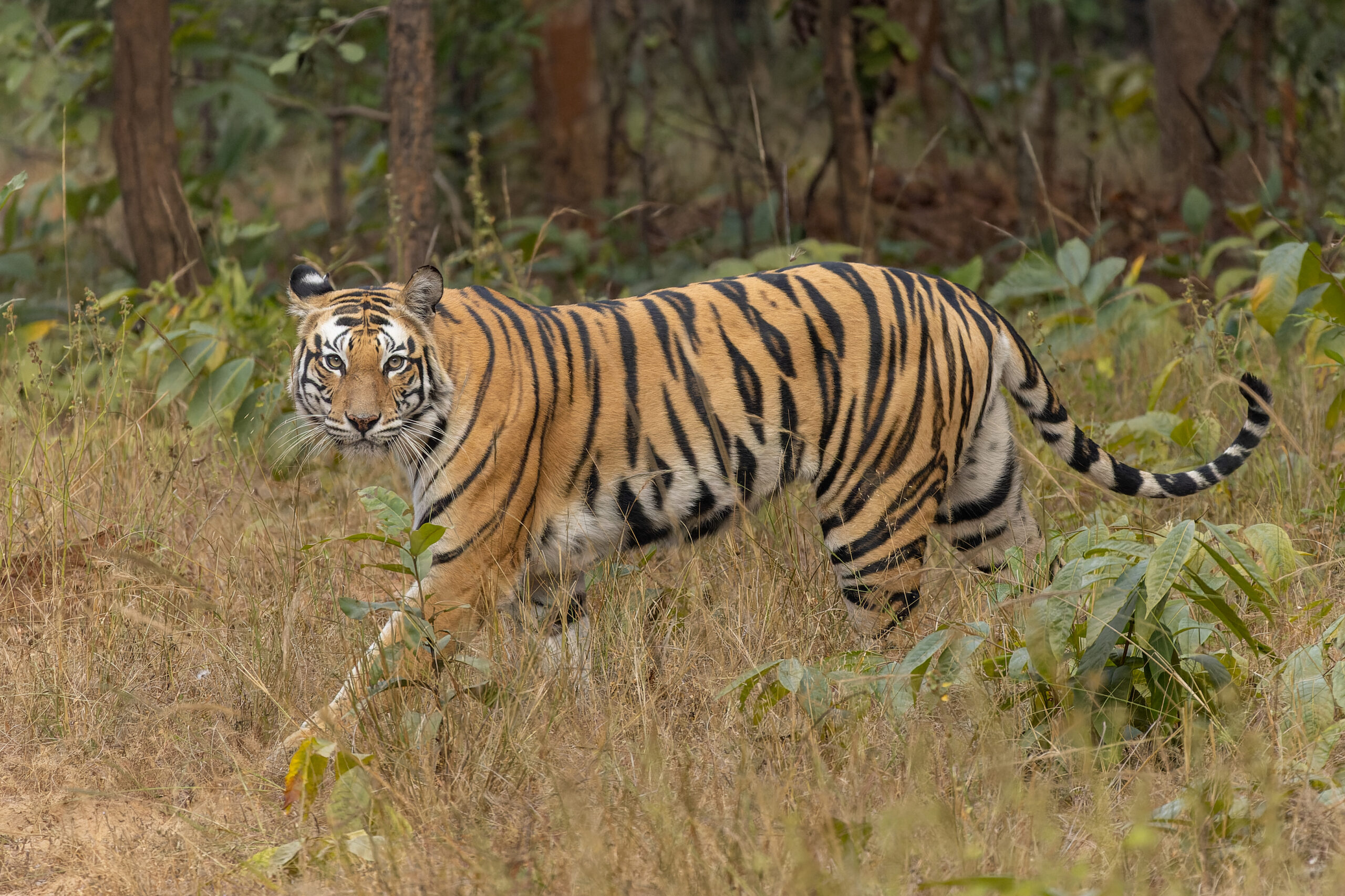
- Bengal Tiger (Panthera tigris tigris): The most numerous subspecies, primarily in India, Nepal, Bhutan, and Bangladesh. They inhabit diverse habitats from dry deciduous forests and grasslands to the Sundarbans mangroves. India’s Project Tiger reserves, such as Jim Corbett National Park, are critical strongholds.
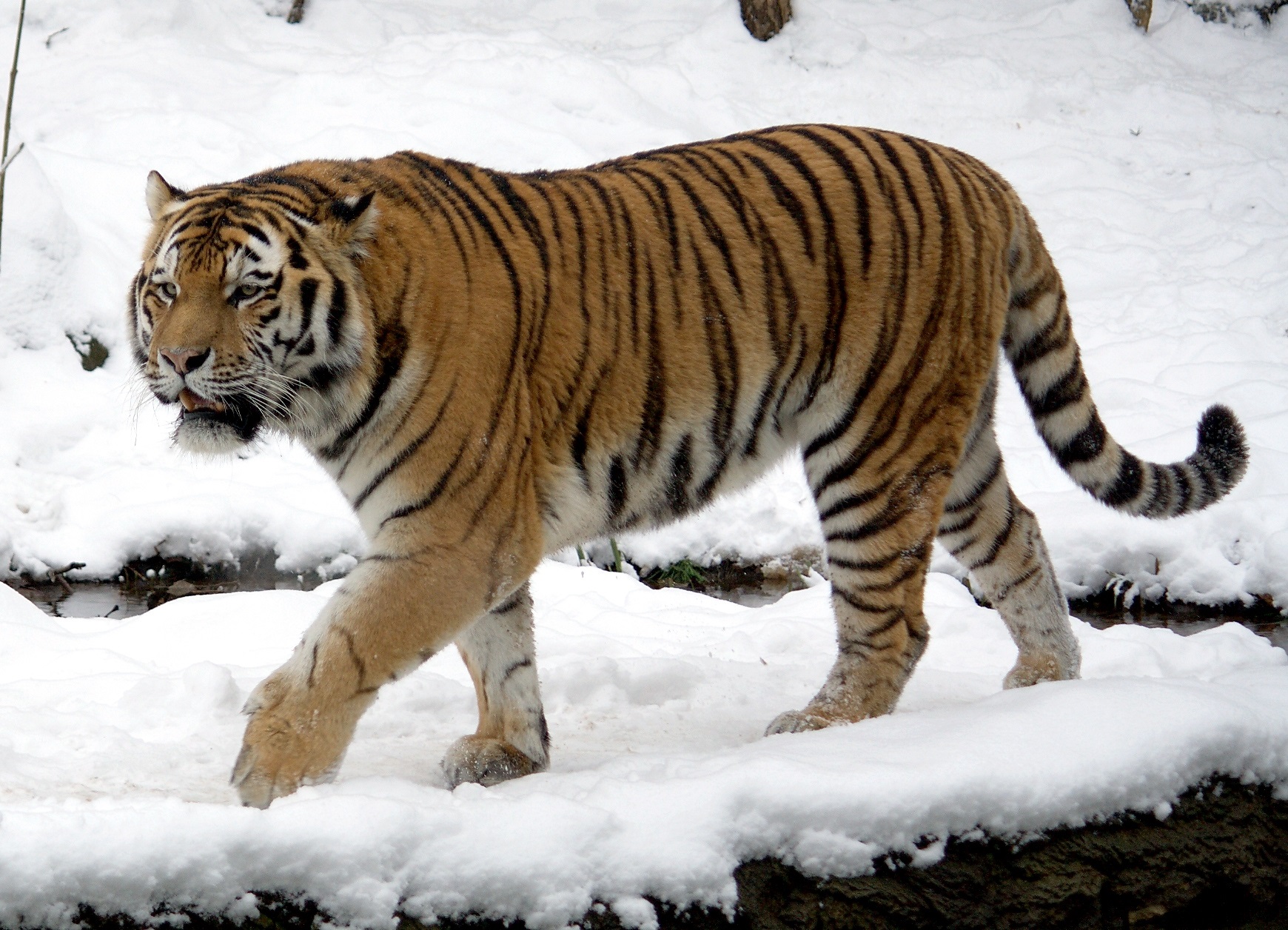
Bengal Tiger - Siberian (Amur) Tiger (Panthera tigris altaica): Largest subspecies, found in Russia’s Far East and small areas of China. They live in temperate and boreal forests with harsh winters, relying on thick fur and large territories to hunt elk and deer.
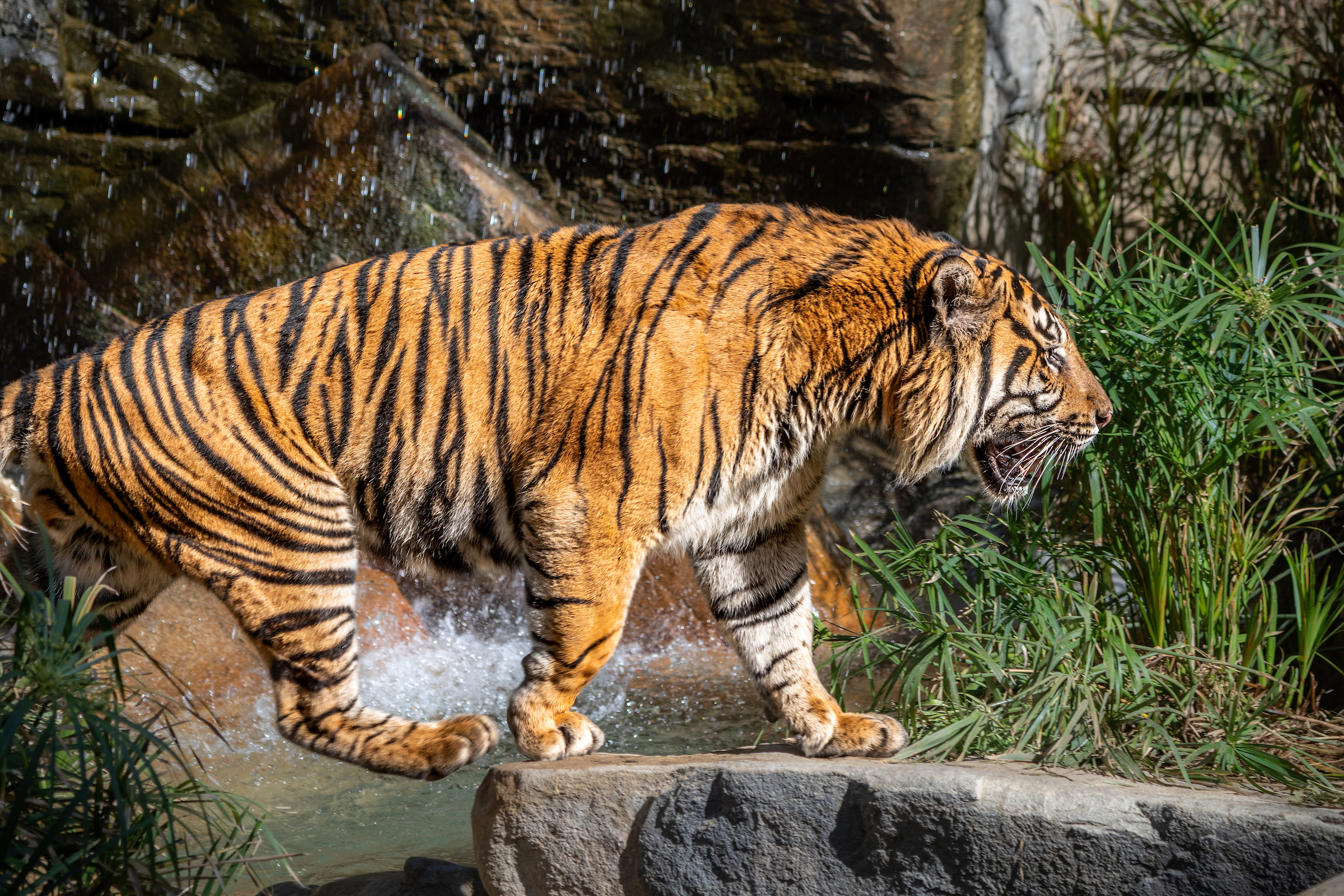
- Sumatran Tiger (Panthera tigris sumatrae): Critically endangered, endemic to the island of Sumatra in Indonesia. They inhabit tropical rainforests and mountainous terrain, with smaller body size suited to dense jungle hunting.
Other subspecies like the Indochinese and Malayan tigers occupy fragmented forests in mainland Southeast Asia and the Malay Peninsula.
Unique Habitat Adaptations
Tigers have evolved impressive traits for survival across environments:
- In cold Siberian regions, they grow thick fur and a layer of fat for insulation, with larger bodies to conserve heat.
- In the Sundarbans and other wetland areas, tigers are excellent swimmers, capable of crossing rivers and hunting aquatic prey.
- Their orange-and-black striped coat provides superior camouflage in dappled forest light and tall grass, breaking up their outline.
- Powerful builds, retractable claws, and strong jaws make them versatile ambush predators regardless of terrain.
These adaptations allow tigers to occupy niches from sea level mangroves to snowy highlands.
Threats to Tiger Habitats
Despite their resilience, tigers face severe pressures. They have lost approximately 93-95% of their historical range due to human activities.
Major threats include:
- Deforestation and Habitat Loss: Logging, agriculture (palm oil plantations in Southeast Asia), and infrastructure development fragment habitats, isolating populations and reducing prey availability.
- Human Encroachment: Expanding settlements and roads increase human-tiger conflict, leading to retaliatory killings when tigers prey on livestock.
- Poaching and Illegal Wildlife Trade: Tigers are targeted for skins, bones, and body parts used in traditional medicine.
- Climate Change: Rising sea levels threaten low-lying habitats like the Sundarbans, while altered rainfall patterns affect prey distribution and forest health.
Organizations like the World Wildlife Fund (WWF) actively monitor these issues and work on landscape-level solutions.
https://youtu.be/9nC3Cz1ztLw?si=u5KugDPT7SJZXA7t
Conservation Efforts
Conservation has yielded positive results in some areas. Global wild tiger numbers are estimated at around 5,500–5,900, with increases noted in India, Nepal, Russia, and Bhutan thanks to targeted programs.
Key efforts include:
- Protected Areas and National Parks: India’s network of over 50 tiger reserves under Project Tiger provides safe havens. Jim Corbett National Park is a flagship example where tourism and protection coexist.
- Anti-Poaching Laws and Patrols: Strengthened enforcement, camera traps, and community involvement have reduced illegal hunting.
- Habitat Restoration and Connectivity: Creating wildlife corridors links fragmented patches, allowing gene flow between populations.
- International Collaboration: The Global Tiger Forum and TX2 initiative (aimed at doubling tigers) coordinate efforts across range countries. WWF supports community-based conservation to reduce conflict and provide alternative livelihoods.
Data & Statistics
- Current Global Wild Tiger Population: Approximately 5,574 (Global Tiger Forum estimate as of recent years), with ongoing surveys like India’s 2026 tiger census expected to provide updated figures.
- Countries with the Most Tigers (approximate recent estimates):
- India: 3,167–3,682 (about 70-75% of global total)
- Russia: 480–750 (mainly Siberian tigers)
- Indonesia: ~370–400 (Sumatran tigers)
- Nepal: ~355
- Thailand: ~150–190
- Others (Bhutan, Malaysia, Bangladesh, etc.): Smaller numbers, often under 150 each.
- Habitat loss: Tigers now occupy less than 7% of their historic range; over 40% decline in some areas since the early 2000s.
Structured Overview:
|
Country |
Estimated Wild Tigers |
Primary Subspecies |
|
India |
3,167–3,682 |
Bengal |
|
Russia |
480–750 |
Siberian/Amur |
|
Indonesia |
370–400 |
Sumatran |
|
Nepal |
~355 |
Bengal |
|
Thailand |
148–189 |
Indochinese |
FAQs – Where do tigers live
Where do most tigers live?
Most wild tigers live in India, which hosts the vast majority of the global population in its protected forests and reserves.
Do tigers live in Africa?
No, there are no wild tigers in Africa. Tigers are native only to Asia; any tigers seen in African reserves or zoos are introduced and not part of natural ecosystems.
What type of forest do tigers prefer?
Tigers prefer tropical and subtropical moist broadleaf forests for dense cover and prey, but they also thrive in temperate forests, grasslands, and mangroves depending on the subspecies and region.
Are tigers endangered?
Yes, tigers are classified as Endangered by the IUCN. While some populations are stabilizing or growing due to conservation, overall numbers remain low, and many subpopulations are critically threatened by habitat fragmentation and poaching.
Beyond Tigers: Discover East Africa’s Legendary Wildlife with All Uganda Safari Tours
While tigers have adapted to everything from Siberian snow to Sumatran jungles, East Africa offers its own spectacular safari experiences that will leave you in awe. At All Uganda Safari Tours, we specialize in creating unforgettable adventures across Uganda, Rwanda, Kenya, and Tanzania — the ultimate destinations for wildlife enthusiasts inspired by majestic big cats and primates.
Imagine tracking endangered mountain gorillas in Uganda’s Bwindi Impenetrable Forest or Volcanoes National Park Rwanda, spotting lions and leopards on game drives in Queen Elizabeth National Park or Kenya’s Masai Mara, witnessing the Great Wildebeest Migration in Tanzania Serengeti, or combining chimpanzee tracking with classic Big 5 safaris.
As a trusted Uganda-based tour operator, All Uganda Safari Tours offers fully customizable East Africa safari packages — from budget group tours to luxury private journeys.
Our experienced guides, comfortable lodges, and commitment to responsible tourism ensure every trip supports conservation and local communities while delivering memories that last a lifetime.
Whether you’re dreaming of gorilla trekking, big-cat sightings, or a multi-country East Africa itinerary, we make it seamless and extraordinary.
Ready to turn your wildlife passion into reality?
Explore our popular packages:
- Uganda Gorilla Safaris & Chimpanzee Tracking
- Rwanda Gorilla Trekking Tours
- Kenya & Tanzania Big 5 Safari Packages
- Combined Uganda, Rwanda, Kenya & Tanzania Multi-Country Safaris
Visit All Uganda Safari Tours or www.allugandasafaris.com today to start planning your dream African safari.
Tigers symbolize the health of Asia’s wild ecosystems, and Africa’s incredible wildlife tells a similar story of resilience and beauty. By supporting conservation — whether through reading, responsible travel, or choosing ethical operators like All Uganda Safari Tours — we help ensure these magnificent animals continue to roam free for generations to come.