How to Plan a Uganda Safari Trip: Top Uganda Safari Planning Guide 2026
How to Plan a Uganda Safari: Uganda is one of Africa’s most remarkable and underrated safari destinations — a compact, lush country where you can track mountain gorillas at dawn, watch elephants cross the Kazinga Channel at sunset, and hear chimpanzees calling through ancient forest canopy all in the same week. If you have been searching for a Uganda safari planning guide that takes you from zero to fully booked, this is it.
A Uganda safari trip is a guided wildlife and nature experience through Uganda’s extraordinary national parks — home to mountain gorillas, chimpanzees, the Big Five, over 1,000 bird species, and some of Africa’s most dramatic landscapes.
Unlike Kenya or Tanzania’s open savanna safaris, Uganda’s experiences are intimate, diverse, and often breathtaking in unexpected ways.
This Uganda travel guide safari is designed for first-time visitors, seasoned safari travelers, and anyone serious about planning a trip that goes beyond the ordinary.
Below are the key steps on How to Plan a Uganda Safari;
Step 1: Decide Your Safari Goals
Before you book a single thing, get clear on what you most want to experience. Uganda safaris are not one-size-fits-all — the country offers at least four distinct safari categories, and your goals will shape everything from your itinerary to your budget.
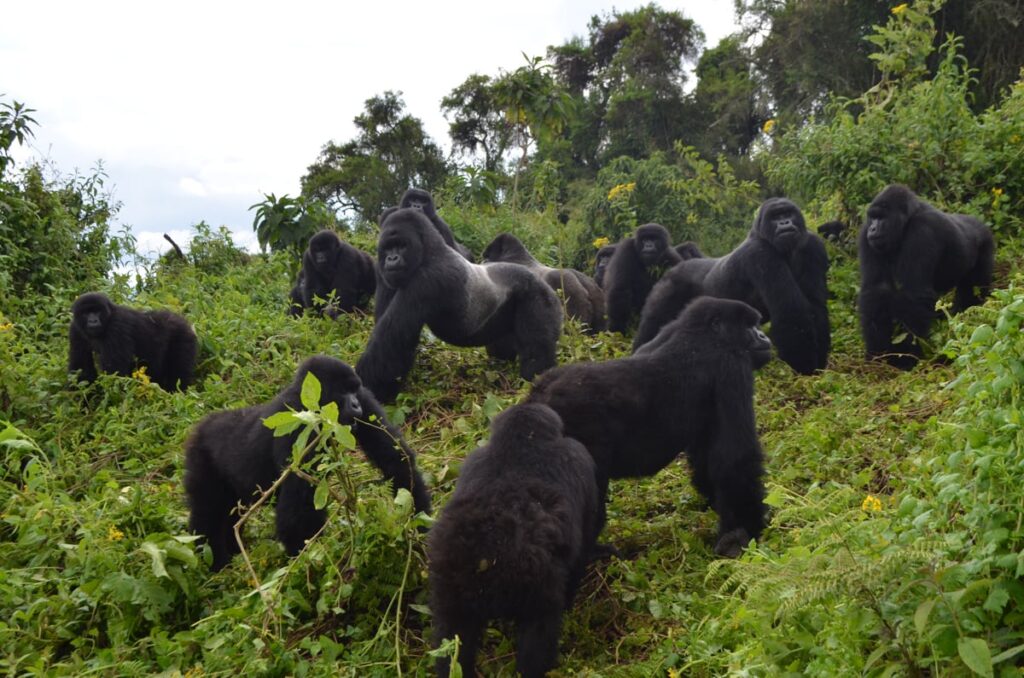
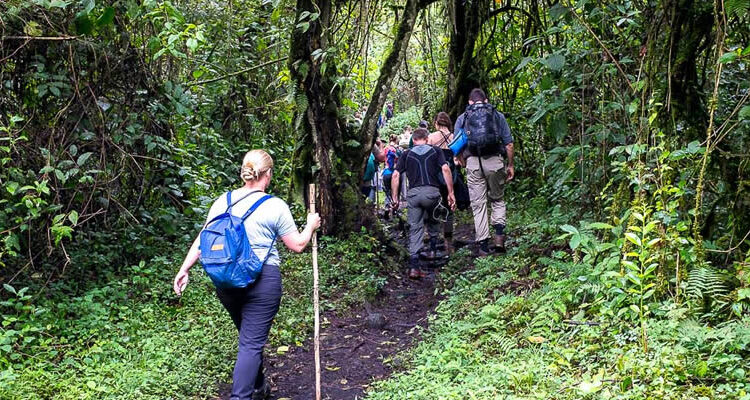
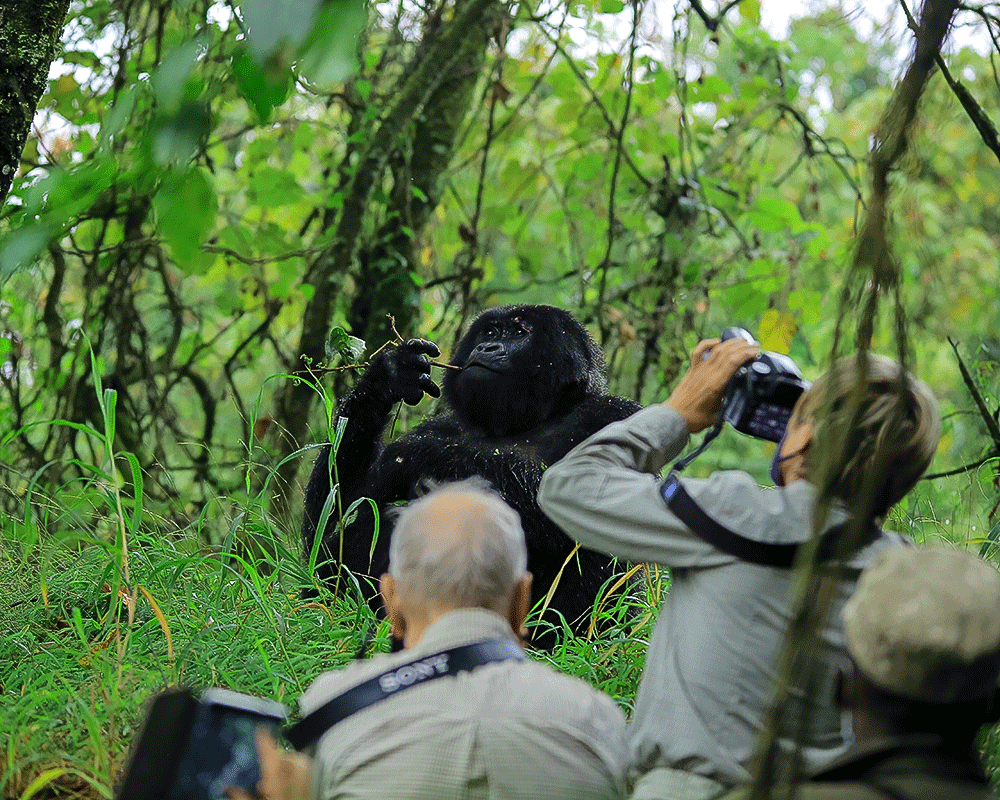
Gorilla Trekking is Uganda’s flagship experience. Tracking mountain gorillas through the misty forests of Bwindi Impenetrable National Park or Mgahinga Gorilla National Park is widely described as one of the most powerful wildlife encounters on earth. If this is your priority, your safari planning begins with securing a gorilla permit (more on that in Step 4).
Wildlife Safaris in Murchison Falls and Queen Elizabeth National Parks offer classic African game drive experiences — lions, elephants, buffaloes, leopards, hippos, and Uganda kob across wide savanna and wetland ecosystems. If the Big Five experience is what draws you to Africa, Uganda’s northern and western parks deliver it beautifully.
Chimpanzee Tracking in Kibale Forest National Park gives you face-to-face time with our closest living relatives. Kibale has the highest concentration of primates in Africa and is widely regarded as the world’s best chimpanzee trekking destination.
Birdwatching Safaris attract serious birders from around the world. Uganda’s 1,066 recorded bird species — including the iconic Shoebill Stork — make it one of the top birdwatching destinations on the continent.
Knowing which of these (or which combination) drives your trip will help you structure the right Uganda safari itinerary from the very start.
Step 2: Choose the Best Time to Visit Uganda
Uganda sits on the equator, meaning it experiences wildlife year-round — but timing your trip around the seasons makes a significant difference in comfort and permit availability.
Dry Season: June–September and December–February These are the most popular months for safari travel. Trails are firmer underfoot, making gorilla trekking less strenuous.
Wildlife congregates around water sources, making game drives more productive. Roads between parks — some of which are unpaved — are far more navigable. This is when demand for gorilla permits peaks, and booking 4–6 months in advance is essential.
Wet Season: March–May and October–November The rains bring lush, green landscapes and dramatically fewer tourists. Permit availability is easier, and accommodation rates are sometimes lower.
Gorilla trekking is absolutely possible in the wet season — gorillas do not stop their daily routines for rain — though trails can be steep and slippery. Birdwatching is particularly rewarding during the wet season as migratory species arrive.
The honest answer for most travelers: any time is a good time for a Uganda safari, provided you plan around the permit booking timeline.
Step 3: Plan Your Safari Budget
Budget planning is one of the most searched aspects of Uganda safari planning, and for good reason. Uganda offers a wider range of price points than almost any other East African safari destination. Here is a realistic breakdown:
Budget Safaris: $250–$350 per person per day Includes basic guesthouses or budget tented camps, group tour vehicles (shared with other travelers), and standard meal plans. Best for backpackers, solo travelers, and those with flexible itineraries. Safari quality remains high — wildlife does not discriminate by lodge category.
Mid-Range Safaris: $350–$650 per person per day Includes comfortable lodges and tented camps with private facilities, semi-private or private guide and vehicle, and full-board or half-board catering. This is the most popular tier for international travelers and the sweet spot between value and comfort.
Luxury Safaris: $750–$1,500+ per person per day Includes premium and boutique lodges (Bwindi Lodge, Wildwaters Lodge on the Nile, Kyambura Gorge Lodge), fully private guiding and vehicles, bespoke itineraries, and exclusive experiences such as fly-in transfers between parks. Best for honeymoons, special occasions, and travelers who want the finest Uganda has to offer.
Note: Gorilla permits ($800 per person) are a fixed additional cost regardless of your safari tier.
Step 4: Book Your Gorilla Trekking Permits Early
If gorilla trekking is part of your Uganda safari itinerary, your permit must be treated as the anchor around which everything else is planned. Here is why:
Gorilla permits are issued by the Uganda Wildlife Authority (UWA) and cost $800 USD per foreign non-resident. Each permit authorizes one person to join a group of maximum 8 trekkers visiting a single habituated gorilla family for one hour. With roughly 20 habituated families across Bwindi and one in Mgahinga, daily capacity is strictly limited — and peak season dates are routinely sold out 4 to 6 months in advance.
Bwindi vs Mgahinga: Bwindi Impenetrable National Park offers the most options — four trekking sectors (Buhoma, Ruhija, Nkuringo, Rushaga), over 20 gorilla families, and a wide range of accommodation. Mgahinga offers a single habituated family, fewer crowds, and spectacular volcanic scenery. First-time trekkers are generally advised to book Bwindi for greater availability and flexibility.
Book your permit through a licensed Uganda tour operator the moment your travel dates are confirmed. Do not wait.
Step 5: Choose Your Safari Destinations
Uganda is compact but remarkably diverse. Here are the five parks that anchor most Uganda safari itineraries:
Murchison Falls National Park — Uganda’s largest park, home to lions, elephants, giraffes, buffaloes, hippos, and the spectacular Murchison Falls where the Nile forces through a 7-metre rock gap. The Nile Delta boat cruise is a must.
Queen Elizabeth National Park — Famous for its tree-climbing lions in the Ishasha sector, the wildlife-rich Kazinga Channel boat cruise, and exceptional birdwatching. One of Africa’s most scenic parks.
Bwindi Impenetrable National Park — The global epicentre of mountain gorilla trekking. A UNESCO World Heritage Site and one of Africa’s most biodiverse forests.
Kibale Forest National Park — The world’s best destination for chimpanzee tracking, with 13 primate species and extraordinary birding alongside chimp habituation experiences.
Lake Mburo National Park — Uganda’s most accessible park from Kampala, ideal for a short safari break. Known for zebras, impalas, hippos, and excellent horseback safari options.
Step 6: Choose Your Transport and Safari Style
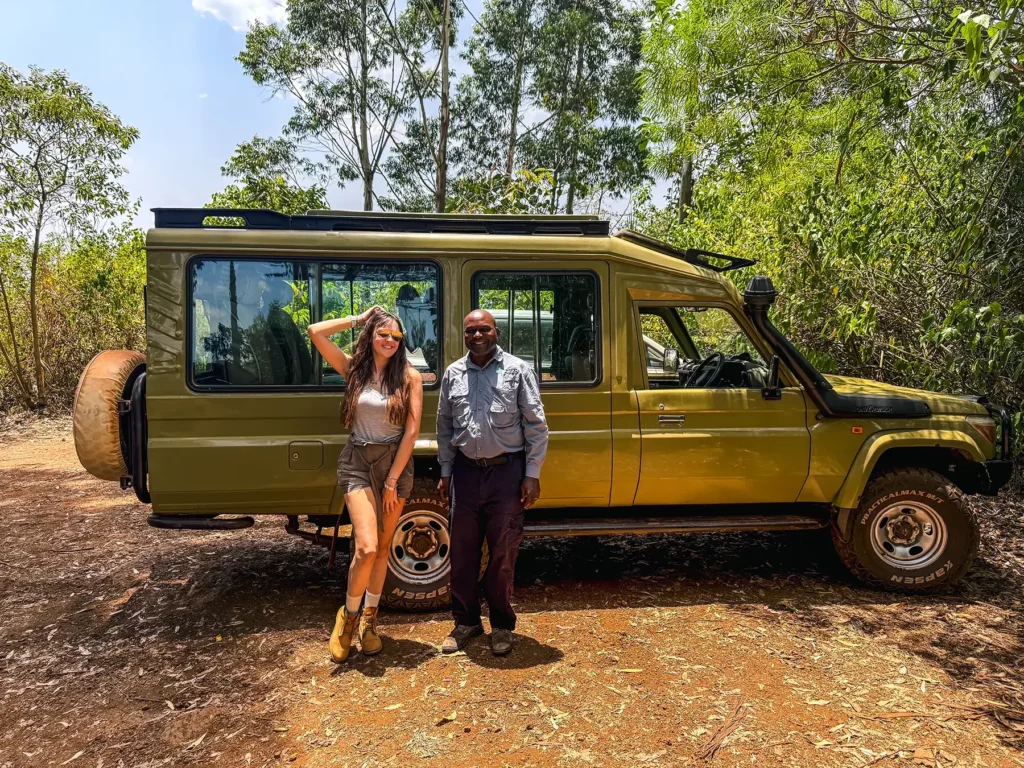
4×4 Safari Vehicle — The most common and practical choice. A well-maintained Land Cruiser or pop-top safari van gives you game viewing flexibility, comfort on rough park roads, and elevated viewing for photography. All reputable Uganda tour operators provide quality 4×4 vehicles.
Fly-In Safaris — Charter flights between Entebbe, Murchison Falls, and Bwindi dramatically reduce road travel time. Ideal for luxury travelers or those with limited time. Adds $300–$600+ per flight segment but transforms a 6-hour road transfer into 45 minutes.
Self-Drive vs Guided Tours — Self-drive is possible for experienced off-road drivers who know East African road conditions. For first-time visitors to Uganda, a guided tour is strongly recommended.
A knowledgeable local guide dramatically improves wildlife sightings, handles logistics, and adds cultural context that no GPS can replicate.
Step 7: Plan Your Accommodation
Accommodation near Uganda’s national parks ranges widely in quality and price. Book early — lodges near Bwindi and Murchison Falls in particular have limited rooms that fill up quickly during peak season.
Budget Lodges: Basic rooms with clean facilities and simple meals. Examples include community guesthouses near park gates. Rates from $40–$80 per night.
Mid-Range Safari Lodges: Comfortable en-suite rooms or tented cottages with hot water, good meals, and park views. Rates from $150–$350 per night. These lodges offer excellent value and are the most popular choice for international travelers.
Luxury Lodges: Award-winning properties with exceptional design, cuisine, and service. Examples include Sanctuary Gorilla Forest Camp (Bwindi), Chobe Safari Lodge (Murchison), and Kyambura Gorge Lodge (Queen Elizabeth). Rates from $400–$1,200+ per night.
Step 8: Book With a Trusted Uganda Safari Company
The single most important decision in your entire Uganda safari planning process is who you book with. A licensed, experienced operator handles your gorilla permits, accommodation bookings, park fees, transport, guide assignment, and emergency logistics — all the moving parts that make or break a safari.
Step 9: Sample Uganda Safari Itineraries
3-Day Gorilla Trekking Safari Day 1: Arrive Entebbe, transfer to Bwindi Impenetrable Forest (or overnight drive). Day 2: Early morning briefing, full-day gorilla trek with UWA rangers — one unforgettable hour with a mountain gorilla family. Day 3: Optional community walk or craft village visit; return transfer to Entebbe.
5-Day Uganda Wildlife Safari Day 1: Drive to Murchison Falls National Park. Day 2: Morning game drive + iconic Nile boat cruise to the base of the falls. Day 3: Rhino tracking at Ziwa Rhino Sanctuary en route south. Day 4: Queen Elizabeth National Park — afternoon Kazinga Channel boat cruise. Day 5: Ishasha sector tree-climbing lions; return to Entebbe.
7-Day Uganda Primate & Wildlife Safari Day 1: Arrive Entebbe, drive to Kibale Forest. Day 2: Chimpanzee tracking in Kibale. Day 3: Transfer to Queen Elizabeth; afternoon game drive. Day 4: Kazinga Channel cruise + Ishasha. Day 5: Transfer to Bwindi. Day 6: Gorilla trekking. Day 7: Return to Entebbe.
Step 10: What to Pack for a Uganda Safari
- Sturdy hiking boots (essential for gorilla trekking on muddy forest trails)
- Rain jacket or poncho (even in dry season, forest interiors are damp)
- Long-sleeve shirts and trousers (sun and insect protection)
- Binoculars (non-negotiable for birdwatching and game drives)
- Insect repellent with DEET
- Neutral-coloured clothing (khaki, olive, grey — avoid blue and black which attract tsetse flies)
- Sunscreen and a wide-brim hat
- Small daypack for gorilla trekking day
Travel Tips and Safety
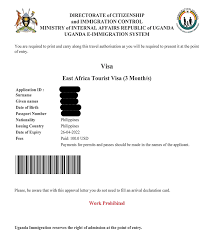
Visa: Most nationalities can obtain an East Africa Tourist Visa on arrival or online at $100 USD, valid for Uganda, Kenya, and Rwanda. Check your specific passport requirements before travel.
Malaria: Uganda is a malaria-endemic country. Consult your doctor about antimalarial medication before travel. Use insect repellent and sleep under mosquito nets.
Vaccinations: Yellow fever vaccination is mandatory for entry into Uganda and must be documented on your International Certificate of Vaccination. Hepatitis A, typhoid, and a general travel health review are also recommended.
Licensed Guides: Always travel with a UTB-licensed guide and UWA-certified rangers in national parks. Venturing into gorilla or chimp trekking areas without official guidance is prohibited and genuinely dangerous.
Safety: Uganda is one of the safest safari destinations in East Africa for tourists. Violent crime against tourists is rare, and national park safety protocols are well-established and enforced.
Uganda Safari Cost Summary
| Safari Type | Cost Per Day | Best For |
|---|---|---|
| Budget | $150–$300 | Backpackers, solo travelers |
| Mid-Range | $300–$600 | Comfort-seeking international travelers |
| Luxury | $700–$1,500+ | Premium tourists, special occasions |
Gorilla permit: $800 per person (additional fixed cost)
FAQs – How to Plan a Uganda Safari
How do I plan a Uganda safari trip? Start by defining your goals (gorillas, wildlife, chimps, birds), confirm your travel dates, book gorilla permits immediately through a licensed operator, and build your itinerary around those confirmed permit dates. This guide covers every step.
How much does a Uganda safari cost? Budget travelers spend $150–$300 per day; mid-range travelers $300–$600; luxury travelers $700–$1,500+. Add $800 per person for a gorilla trekking permit. A complete 7-day primate and wildlife safari typically costs between $2,500 and $8,000 per person depending on your tier.
What is the best time to visit Uganda? The dry seasons — June to September and December to February — offer the best trekking and game viewing conditions. However, Uganda is a year-round safari destination and gorilla trekking is possible in every month.
Do I need a guide for a Uganda safari? Yes, strongly recommended — and in gorilla and chimpanzee trekking zones, a UWA ranger escort is legally required. A local guide also dramatically improves wildlife sightings, handles permit logistics, and navigates roads that would challenge even experienced self-drivers.
Start Planning Your Uganda Safari Today
Uganda rewards those who plan ahead. The gorilla permits, the best lodges near Bwindi, and the prime game viewing slots at Murchison Falls and Queen Elizabeth all go to travelers who book early and move decisively.
Whether you are drawn by the gorillas of Bwindi, the thundering Nile at Murchison Falls, or the tree-climbing lions of Ishasha, Uganda offers a safari experience that is genuinely unlike anywhere else in Africa.
Contact All Uganda Safari Tours today to begin planning your perfect Uganda safari itinerary. Our team handles every detail — permits, accommodation, transport, and expert guiding — so you arrive ready to experience one of the world’s greatest wildlife destinations with complete confidence. Gorilla permit slots are filling fast for 2025. Do not wait to secure yours.