Complete List of Gorilla Families in Rwanda – Igisha, Izuba, Isimbi, Hirwa, Susa, & more
Gorilla families in Rwanda: Rwanda is home to several habituated mountain gorilla families, offering one of the most accessible and rewarding gorilla trekking experiences in Africa.
Nestled in the lush slopes of the Virunga Mountains, Volcanoes National Park protects a significant population of these endangered mountain gorillas (Gorilla beringei beringei).
Trekking to see these gentle giants up close is a bucket-list adventure that combines physical challenge, conservation impact, and unforgettable wildlife encounters.
What Is a Gorilla Family?
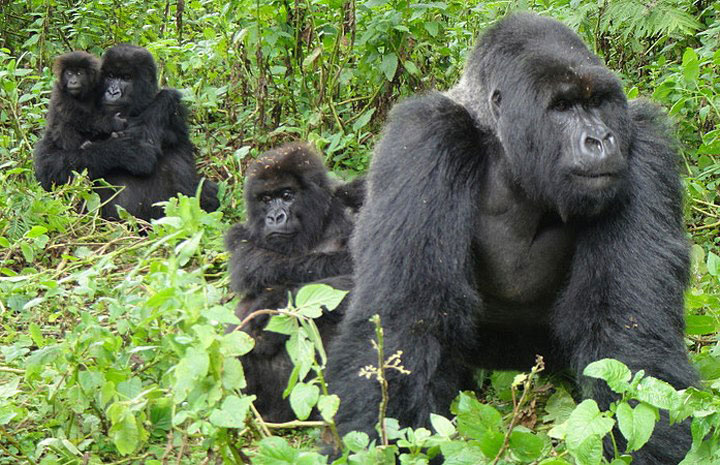
A gorilla family (also called a group) is a tight-knit social unit typical of mountain gorillas. Each family is led by a dominant silverback—a mature male with a distinctive silver-gray saddle on his back.
He protects the group, makes decisions about movement and feeding, and mediates conflicts. The family usually includes multiple adult females (who may have offspring from the silverback or previous males), blackbacks (younger males), juveniles, and infants.
These families are habituated for tourism, meaning teams of trackers and researchers have gradually accustomed them to the presence of humans over many years without altering their natural behavior.
Habituated groups allow visitors to spend one magical hour observing them in their habitat. Rwanda’s habituation process emphasizes minimal disturbance, supporting both tourism revenue for conservation and scientific research.
Mountain gorillas are critically endangered, with the entire global population (around 1,000 individuals) split between the Virunga massif (shared by Rwanda, Uganda, and DRC) and Uganda’s Bwindi Impenetrable National Park. Each visit to a gorilla family directly funds anti-poaching, habitat protection, and community development around the park.
Gorilla Family Classification
Gorilla families are classified by their social structure, ranging size, leadership stability, and ranging patterns. Most habituated groups in Volcanoes National Park have 10–40 members.
Larger families often result from successful breeding and stable leadership, while smaller ones may form through splits when young silverbacks challenge the dominant male or when groups fission to reduce competition for food.
Families range across different altitudes and vegetation zones—from bamboo forests at lower elevations to afro-montane and Hagenia-hypericum zones higher up.
Full List of Gorilla Families in Rwanda
Approximately 12 gorilla families in Volcanoes National Park are fully habituated for tourism (with others reserved for research). Here are detailed profiles of the main ones, including key characteristics, size estimates (which can fluctuate), leadership, trekking notes, and unique traits. Note that exact numbers change due to births, deaths, transfers, or further splits.
Susa Family (Susa A / Kurira Family)
This is one of the oldest and most famous groups, studied by Dian Fossey since the 1970s. Once the largest with up to 42 members, it has split multiple times (producing Karisimbi, Isimbi, and Igisha).
Today, Susa A typically has around 19–28 individuals, led by dominant silverback Impuzamahanga (with possibly 2–3 silverbacks total). It inhabits the lower slopes of Mount Karisimbi in bamboo-rich zones.
Famous for early research insights and surviving twins in the past, this group offers deep insights into gorilla behavior.
Trekking difficulty: Challenging to hard due to higher altitudes and denser vegetation. Ideal for visitors seeking a historic, large-family experience.
Karisimbi (Susa B)
A direct offshoot from the original Susa group, Karisimbi (sometimes still referred to in context of Susa B) ranges on the slopes of Mount Karisimbi. It features a mix of ages and is known for dynamic movement between vegetation zones.
Trekking involves steeper, high-altitude paths. This group provides a good balance of size and accessibility within the Susa lineage.
Igisha Gorilla Family
Formed in 2014 from Susa B, Igisha is now one of the largest habituated groups, with around 34–36 members led by the powerful silverback Igisha.
It has grown rapidly and is considered one of the biggest current groups. The family ranges in areas with good bamboo and herbaceous vegetation.
Trekking difficulty: Medium to hard—often one of the more demanding due to terrain and group movement. Visitors love the energetic, expanding family dynamics.
Isimbi Gorilla Family
Another split from the Karisimbi line (originating ultimately from Susa), Isimbi is led by silverback Muturengere. It has around 16 members, including several juveniles and infants.
The group inhabits Karisimbi slopes and offers intimate viewing opportunities. Trekking: High-altitude and moderately challenging, with rewarding views of the volcanic landscape.
Amahoro Family
“Amahoro” means “peace” in Kinyarwanda, and this family lives up to its name with calm, relaxed behavior. It has about 17–19 members, led by the easy-going silverback Ubumwe.
Formed after an earlier split, it is known for peaceful interactions and good visibility. Trekking difficulty: Easy to medium. A top choice for first-timers or those preferring a serene encounter.
Sabyinyo Family
Named after Mount Sabyinyo (“teeth” in Kinyarwanda, due to its jagged peaks), this group was originally called “Amavubi” (wasps) because of its feisty nature during habituation.
Now calmer, it has around 13–17 members with 1–2 silverbacks (previously led by the powerful Guhonda; now often Gihishamwotsi).
It ranges on the lower slopes of Sabyinyo, making it one of the most accessible. Trekking difficulty: Easy to medium—shorter hikes with rewarding close views. Excellent for families or less fit visitors.
Agashya Family (Group 13)
Habituated in the 1980s as “Group 13” (named for its initial 13 members), this dynamic family now has about 25 members, including one dominant silverback, many females, and numerous infants.
It has a history of leadership changes and resilience. Ranges along valleys between volcanoes. Trekking difficulty: Medium. Known for active, playful groups and interesting social stories.
Kwitonda Family
This group has a fascinating migration history, with roots tracing to DRC (Congo) silverbacks that crossed borders. Led by strong silverbacks, it has around 15–20 members and is known for occasional border movements between Rwanda, Uganda, and DRC.
Trekking difficulty: Medium to hard, depending on current location. Offers a sense of the transboundary nature of the Virunga ecosystem.
Hirwa Family
“Hirwa” means “lucky one.” Formed in 2006 from a split involving elements of Group 13 (Agashya) and Sabyinyo, this smaller, peaceful group often features twins and harmonious dynamics. It has around 10–15 members. Trekking difficulty: Medium. Popular for its underdog story and delightful infant interactions.
Umubano Family
“Umubano” means “togetherness” or “neighborliness.” This breakaway group split from Amahoro and has about 11–13 members, including a silverback that rose from a subordinate role. Known for cooperative behavior. Trekking difficulty: Easy to medium. A great option for observing strong social bonds.
Muhoza Family
Formed in 2015 when silverback Marambo left Kwitonda and wandered before establishing his own group. Named after the large silverback, it has over 12 members.
Energetic and sometimes more adventurous in movement. Trekking difficulty: Can be exhilarating and moderately challenging. Visitors often describe exciting, active encounters.
Other habituated or recently mentioned groups include Bwenge, Ugenda, Titus, Noheli, Kwisanga, and more, bringing the total tourism-available families to around 12, with additional ones in habituation or for research. Gorilla families in Rwanda continue to evolve through natural splits and growth.
Where These Families Are Found
All Volcanoes National Park gorillas live within the park’s 160 km² of montane forest, part of the larger Virunga massif. Families occupy different sectors:
- Karisimbi slopes — Susa A, Karisimbi, Igisha, Isimbi (higher altitude, bamboo and mixed forest).
- Sabyinyo area — Sabyinyo, Hirwa (lower slopes, more accessible).
- Central valleys and Bisoke/Muhabura flanks — Amahoro, Umubano, Agashya, Muhoza, Kwitonda (varied terrain).
Trekking distances and difficulty vary significantly by family location and daily ranging. Some start with a short drive from the park headquarters in Kinigi, followed by hikes from 30 minutes to several hours one way.
Rwanda Gorilla Trekking Experience: What to Expect
A typical gorilla trekking day begins with an early morning briefing at the park headquarters. Rangers explain rules (e.g., keep 7 meters distance, no flash photography, stay quiet, turn off phones). You then drive to the trailhead for your assigned group.
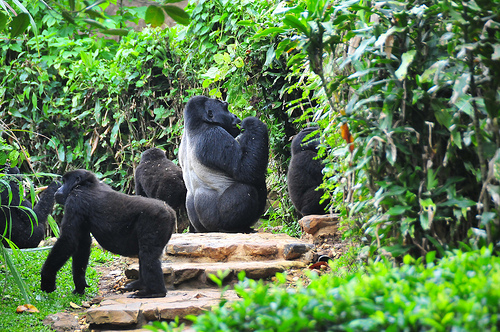
The guided trek involves hiking through farmland, then into dense forest with possible nettle, mud, or steep sections. Trackers ahead locate the family using overnight nests.
Once found, you spend exactly one hour with the gorillas—watching them feed, play, groom, or rest. The experience is intimate and profound; many describe it as life-changing.
Porters (hired locally for a small tip) can carry bags and assist with steep sections. Weather can change quickly, so rain gear and layers are essential.
Gorilla Trekking Permits
A gorilla trekking permit is mandatory. For foreign non-residents, the cost is approximately $1,500 per person (as of 2026; promotional discounts may apply in low season, e.g., $1,050 when combining with other parks).
East African citizens pay significantly less ($200), and residents have tiered rates. Permits are limited to 8 visitors per family per day to minimize impact.
Booking well in advance (often through a reputable tour operator) is strongly recommended, especially for peak seasons.
How Gorilla Families Are Assigned
You generally cannot pre-choose a specific Rwanda gorilla group with 100% guarantee. Assignment happens on the morning of the trek based on:
- Your group’s fitness level and preferences (shared during briefing).
- Current location of each family (tracked overnight).
- Availability and balancing of visitor numbers.
This system ensures safety for both humans and gorillas while maximizing successful sightings. If you have strong preferences (e.g., easier trek or larger group), communicate them clearly—operators and rangers do their best to accommodate.
Best Time to Visit Rwanda for Gorilla Trekking
The optimal periods for Volcanoes National Park gorillas are the dry seasons: June–September (long dry) and December–February (short dry). Trails are less muddy, vegetation is not overly dense, and hiking is more comfortable.
Wet seasons (March–May and October–November) bring lush greenery and fewer crowds but can mean slippery paths and more rain. Gorilla viewing is possible year-round, but dry months offer the best trekking conditions.
Best Gorilla Family for Visitors: Which Should You Choose?
Choosing depends on your fitness, interests, and expectations:
- Easiest trek — Sabyinyo or Amahoro: Shorter hikes, lower slopes, calmer groups—great for beginners, families, or older travelers.
- Challenging/high-altitude adventure — Susa A, Igisha, or Karisimbi: Steeper climbs reward with larger or historic families and stunning volcano views.
- Balanced/dynamic — Agashya, Hirwa, or Umubano: Good visibility, interesting behaviors, moderate difficulty.
- Unique story — Kwitonda (transboundary) or Muhoza (energetic newcomer feel).
Discuss your preferences with your tour operator. Many visitors say any family delivers an extraordinary experience—the key is being prepared physically and mentally.
Gorilla Families in Bwindi
While this guide focuses on Rwanda, note that Uganda’s Bwindi Impenetrable National Park hosts additional mountain gorilla families (about 20+ habituated groups across sectors).
Bwindi offers more affordable permits ($800) and denser forest, but Rwanda’s Volcanoes National Park provides easier access from Kigali and often more open viewing in volcanic terrain.
FAQs About Gorilla Families in Rwanda
How many gorilla families are in Rwanda?
Volcanoes National Park has around 12 fully habituated families available for tourism, out of more total groups (some for research).
Which is the easiest gorilla family to trek?
Sabyinyo and Amahoro are frequently recommended for shorter, less strenuous hikes.
Can you choose your gorilla family?
You can express preferences, but final assignment is made on the day based on location, fitness, and logistics. No guarantees, but operators advocate for you.
How long is the trek?
The hike to the gorillas varies from under an hour to 4+ hours round-trip, depending on the family’s location that day. You spend 1 hour with the gorillas.
Are there gorilla families in Bwindi?
Yes—Bwindi has its own distinct habituated groups, separate from the Virunga population.
Plan Your Gorilla Trek
Rwanda’s gorilla families in Rwanda and Rwanda gorilla groups deliver a premier wildlife experience in Volcanoes National Park gorillas territory. While the permit investment supports vital conservation, the memories last a lifetime.
For travelers seeking more affordable and diverse safari experiences—including gorilla trekking combined with chimpanzee hikes, big game safaris, or relaxed itineraries—Uganda offers excellent alternatives with lower permit costs and varied national parks.
Ready to meet the gentle giants? Contact us to plan your Volcanoes National Park gorilla trek. We handle permits, accommodations, and logistics so you can focus on the adventure.
Whether you trek Susa, Sabyinyo, or another family, this is one experience that will profoundly connect you with nature and the importance of protecting these magnificent animals.
Rwanda’s gorilla families provide a unique opportunity to observe these gentle giants in their natural habitat, making it one of the most sought-after wildlife experiences in the world.
Come trek with us at All Uganda Safari Tours —your gateway to unforgettable encounters in the Virungas and beyond, with seamless extensions into Uganda’s rich gorilla and safari destinations. Book your journey today and become part of the conservation story.