How Difficult Is Gorilla Trekking? Fitness Level, Tips & What to Expect
How Difficult Is Gorilla Trekking: Gorilla trekking is moderately to highly challenging, depending on terrain, weather, altitude, and the specific gorilla group’s location on any given day.
While not a technical climb like mountaineering, it involves hiking through dense, rugged forests that can test your endurance—but the reward of spending one unforgettable hour with wild mountain gorillas makes every step worthwhile.
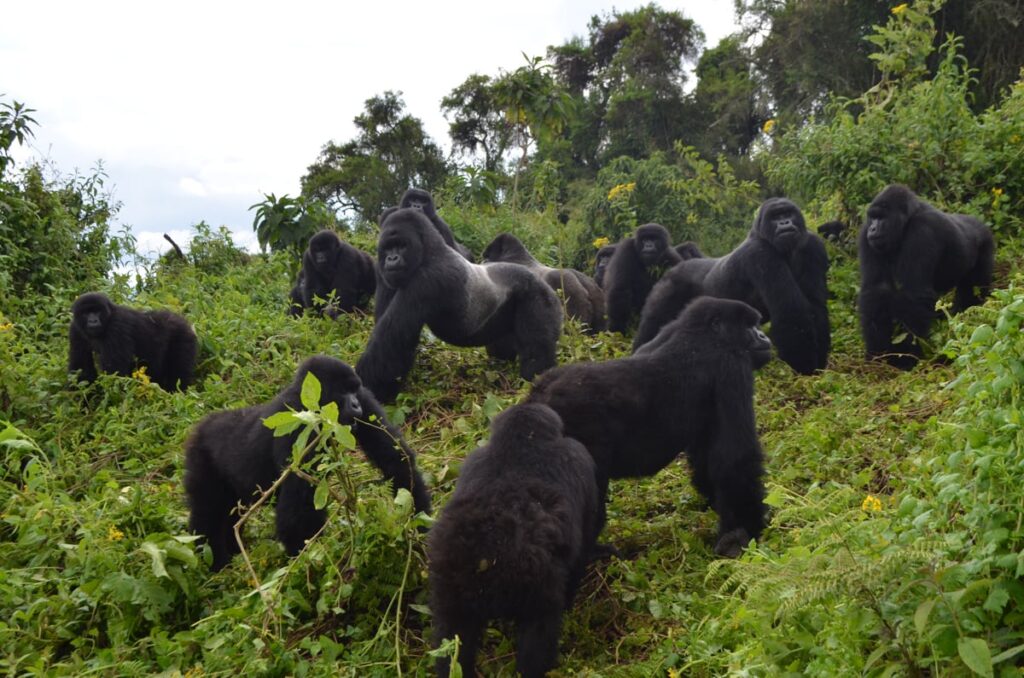
“Imagine pushing through thick vegetation, navigating steep muddy slopes, and then suddenly locking eyes with a massive silverback just meters away.
The physical effort fades instantly as you witness these gentle giants in their natural habitat. It’s an emotional, once-in-a-lifetime experience that stays with you forever.”
What Makes Gorilla Trekking Difficult
Gorilla trekking difficulty stems from several interconnected factors. It is not a casual stroll but an immersive adventure in remote African rainforests.
Terrain
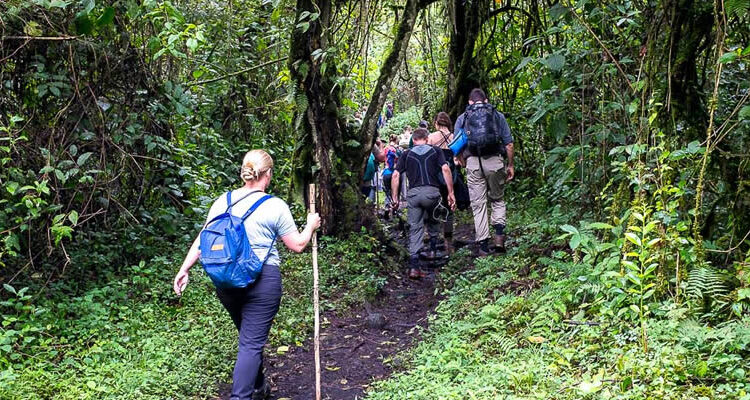
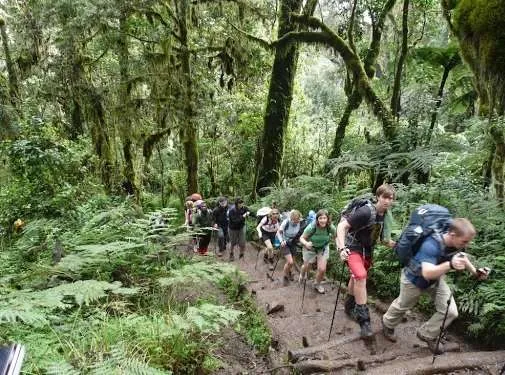
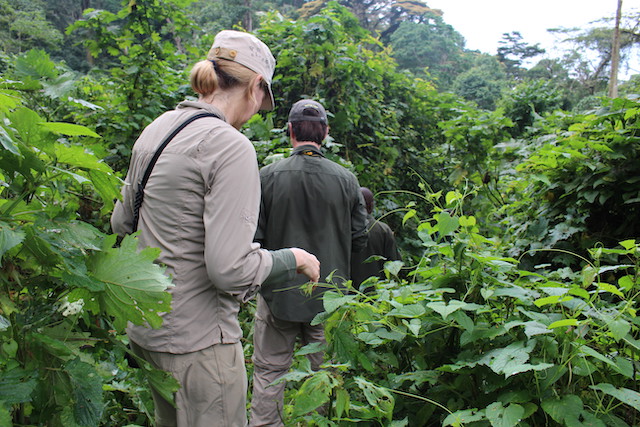
The trails wind through steep hills, valleys, and thick jungle. In Uganda’s Bwindi Impenetrable National Park, the forest earns its name—guides often use machetes to cut paths through tangled vines, nettles, and undergrowth. Trails can be uneven, with roots, fallen logs, and slippery sections.
Mud becomes knee-deep after rain, turning simple steps into strenuous efforts. Some sectors, like Nkuringo or Ruhija, feature particularly steep climbs and descents that challenge balance and leg strength.
Altitude
Trekking occurs at elevations between roughly 1,500–3,000 meters (4,900–9,800 feet). Lower oxygen levels cause quicker fatigue, heavier breathing, and potential mild altitude effects like headaches or dizziness, especially for those arriving from sea level. The combination of uphill effort and thinner air amplifies the physical demand, even on shorter hikes.
Duration
Hikes vary widely—from as little as 30 minutes to 2 hours one way for lucky groups, up to 6–8 hours round-trip (or more) when gorillas have moved far overnight.
The return journey often feels tougher due to accumulated fatigue. You spend only one hour with the gorillas once located, but the full day (including briefing and travel to trailheads) can stretch 8–12 hours.
Weather
Rain is common year-round and turns trails into slippery mudslides. Even in dry seasons (June–September and December–February), sudden showers occur. Humidity adds to exhaustion, while cooler high-altitude temperatures require layering. Wet conditions increase the risk of falls and make photography or movement more difficult.
These elements combine to make gorilla trekking moderately to highly demanding for many, though experienced hikers often describe it as “challenging but doable” rather than extreme.
Where Gorilla Trekking Takes Place
Mountain gorillas are found in three main protected areas:
- Bwindi Impenetrable National Park, Uganda: Home to about half the world’s mountain gorillas (around 400+ individuals across multiple habituated families). It offers the most immersive, dense rainforest experience with varied sectors (Buhoma, Ruhija, Rushaga, Nkuringo). Some treks here rank among the more physically demanding due to thick vegetation and steep terrain.
- Mgahinga Gorilla National Park, Uganda: Smaller and less crowded, located on the Virunga Volcanoes. Treks here can feel moderately challenging with altitude gains, but some gorilla groups (like Nyakagezi) are often easier to reach with more open views.
- Volcanoes National Park, Rwanda: Features bamboo and montane forests on volcanic slopes. Many visitors find treks here comparatively less strenuous than Bwindi, with shorter average durations (1.5–4 hours) and more maintained trails, though high altitude (up to 3,000m+) still plays a role. Rwanda’s park is more accessible from Kigali.
Uganda provides more gorilla families and permit availability, while Rwanda is often praised for slightly easier logistics and terrain in many cases.
Required Fitness Level for Gorilla Trekking
You do not need to be an athlete or seasoned mountaineer. Basic to moderate fitness suffices for most people. If you can comfortably hike 4–6 hours on uneven trails (think weekend hill walks or brisk urban hikes with some elevation), you should manage well.
Rangers assess fitness during the morning briefing and try to assign groups to suitable gorilla families—easier ones for seniors, families, or those with mobility concerns. However, gorilla movements are unpredictable, so preparation helps.
Preparation tips:
- Build cardiovascular endurance and leg strength 6–8 weeks in advance (hiking, stairs, squats, lunges).
- Practice with a daypack to simulate conditions.
- Focus on balance and core stability for slippery terrain.
Even fit individuals report fatigue after long muddy days, while beginners with good preparation and support (like porters) complete treks successfully. About 98% of trekkers finish their assigned trek.
What to Expect During the Trek
A typical gorilla trekking day follows this structure:
- Early Morning Briefing — Arrive at the park headquarters by 7–8 AM. Rangers provide a safety and etiquette talk: maintain 7-meter distance from gorillas, no flash photography, avoid if you have respiratory illness (gorillas are susceptible to human diseases), and follow guide instructions. Cultural performances by local communities often entertain before the briefing.
- Drive to Trailhead — Vehicles take you to the starting point (15 minutes to over an hour depending on sector and group).
- Hiking with Guides and Trackers — Armed rangers, trackers, and guides lead small groups of up to 8 people. Trackers locate the gorillas using overnight nests and signs. Expect steady pacing with rest stops. Porters (highly recommended) carry bags and assist on tough sections.
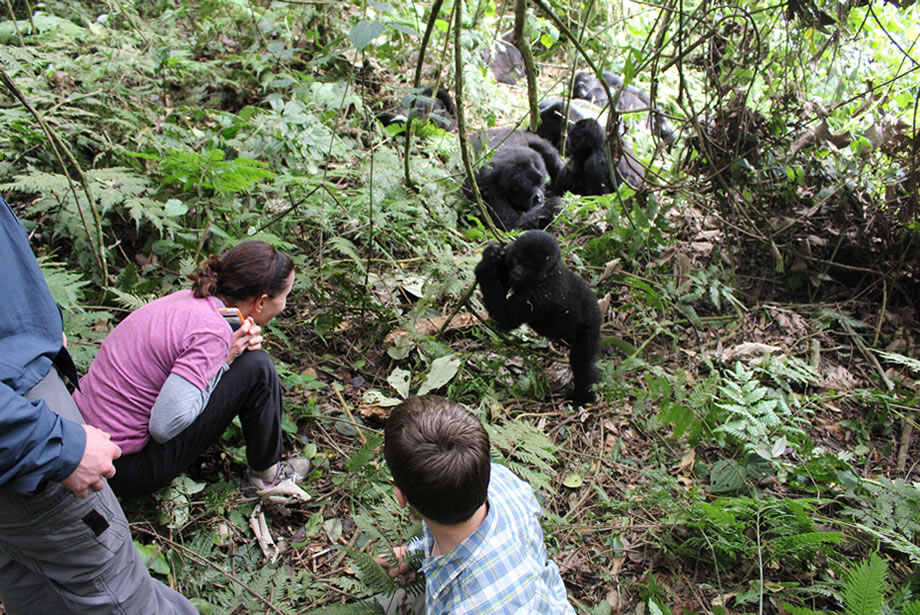
- The Gorilla Encounter — Once located, you have exactly one hour with the family. Observe silverbacks, mothers with babies, playful juveniles—feeding, grooming, resting, or interacting. Moments can feel incredibly intimate and emotional.
- Return Journey — Hike back to the trailhead, often via a different route.
The entire experience emphasizes respect, conservation, and minimal impact on the endangered gorillas.
Tips to Make Gorilla Trekking Easier
Smart preparation significantly reduces difficulty:
- Hire a Porter — Local porters (usually $10–20 USD, paid in cash) carry your daypack, provide stability on slippery slopes, and boost the local economy. Many trekkers say this is the best investment for comfort.
- Wear Proper Footwear — Sturdy, broken-in hiking boots with good ankle support and grip. Gaiters help keep mud and debris out.
- Layer Clothing — Quick-dry long pants and sleeves (protection from nettles/insects), rain jacket, hat, and gloves. Avoid bright colors.
- Carry Essentials — Plenty of water (at least 2–3 liters), energy snacks, sunscreen, insect repellent, binoculars, and a camera with extra batteries. A walking stick or trekking poles can help with balance.
- Pace Yourself — Listen to your body, take offered breaks, and communicate any issues to guides.
- Choose Timing Wisely — Dry seasons offer firmer trails and fewer slips.
Real-life example: Many visitors who felt nervous about fitness completed their trek comfortably after hiring a porter and wearing proper boots, describing the mud as the biggest surprise rather than steepness.
Who Can Do Gorilla Trekking?
The minimum age is 15 years across Uganda and Rwanda (strictly enforced for safety and health reasons). There is no upper age limit, and fit seniors regularly participate with proper preparation and porters.
It suits beginners with moderate fitness and a positive mindset. Families, couples, and solo travelers all enjoy it. Those with serious mobility issues, heart conditions, or recent illnesses should consult a doctor and consider easier sectors or alternatives like gorilla habituation experiences (longer but limited availability in Bwindi).
Challenges to Be Aware Of
- Muddy and Slippery Trails — Especially in wet seasons.
- Insects and Nettles — Long clothing and repellent help.
- Physical Fatigue — From altitude, duration, and humidity.
- Unpredictability — Gorilla locations change daily.
- Emotional Intensity — The encounter can be overwhelming (in the best way).
With good gear, support, and realistic expectations, these challenges become part of the adventure rather than barriers.
Why It’s Worth the Effort
Standing in a misty forest as a silverback gazes calmly or a baby gorilla tumbles playfully nearby creates a profound connection with nature. You contribute directly to conservation—permit fees fund protection, anti-poaching, and community projects.
It’s a raw, authentic wildlife experience unlike any zoo or safari drive. Many describe it as transformative, fostering greater appreciation for endangered species and wild places.
Difficulty Comparison: Gorilla Trekking vs. Normal Hiking and Uganda vs. Rwanda
Compared to standard hiking, gorilla trekking adds dense vegetation, variable trail conditions, altitude, and the unique pressure of tracking moving animals.
It feels more adventurous and immersive than groomed park trails but less extreme than multi-day high-altitude treks like Kilimanjaro.
Uganda (Bwindi/Mgahinga) vs. Rwanda (Volcanoes):
- Uganda — Often more physically demanding due to denser “impenetrable” forest, steeper sections in places, and potentially longer hikes. Offers a wilder, more rugged feel with greater biodiversity.
- Rwanda — Generally considered slightly easier with more open bamboo zones, shorter average treks, and better-maintained paths. Ideal for those prioritizing accessibility, though altitude remains a factor. Rwanda tends to have higher permit costs but excellent infrastructure.
Both deliver magical encounters; choice often depends on budget, desired adventure level, and combining with other safari activities.
FAQ – Gorilla Trekking Difficulty
Is gorilla trekking hard for beginners?
It can be moderately challenging for beginners, but with preparation, proper gear, a porter, and honest fitness disclosure at briefing, most complete it successfully. It’s more about endurance than technical skill.
How long does gorilla trekking take?
The hike to find gorillas ranges from 30 minutes to 6+ hours one way. Add briefing, travel, and the one-hour visit—plan for a full day (6–12 hours total).
Do I need to be fit for gorilla trekking?
Moderate fitness is recommended. Regular walkers or those who exercise a few times weekly manage well. Training in advance and using porters make a big difference. Rangers accommodate varying levels where possible.
What should I wear for gorilla trekking?
Sturdy hiking boots, long pants and sleeves, rain jacket, hat, and gaiters. Layer for changing weather and protect against nettles and mud.
Other common questions: Permits are limited and book months ahead. You must be healthy (no colds/flu). Photography is allowed without flash.
Ready for Your Gorilla Trekking Adventure?
Gorilla trekking rewards every bit of effort with memories that last a lifetime. Whether you choose the immersive forests of Uganda or the volcanic landscapes of Rwanda, proper planning turns potential challenges into highlights.
Book your Gorilla Trekking Safari with us today for expert-guided all Uganda safari tours that include permits, porters, accommodations, and seamless logistics. Our experienced team helps match your fitness level to the perfect itinerary.
Inquire now via WhatsApp or contact us to secure your 2026 gorilla permits and create an unforgettable African adventure. Don’t just dream about meeting mountain gorillas—make it happen with us.