Gorilla Trekking Tips: Everything You Need to Know Before You Step Into the Forest
Gorilla trekking tips: Prepare for an unforgettable adventure with these essential gorilla trekking tips. Learn what to pack, fitness requirements, permit information, trekking rules, safety guidelines, and expert advice to help you make the most of your gorilla trekking experience in Uganda and Rwanda.
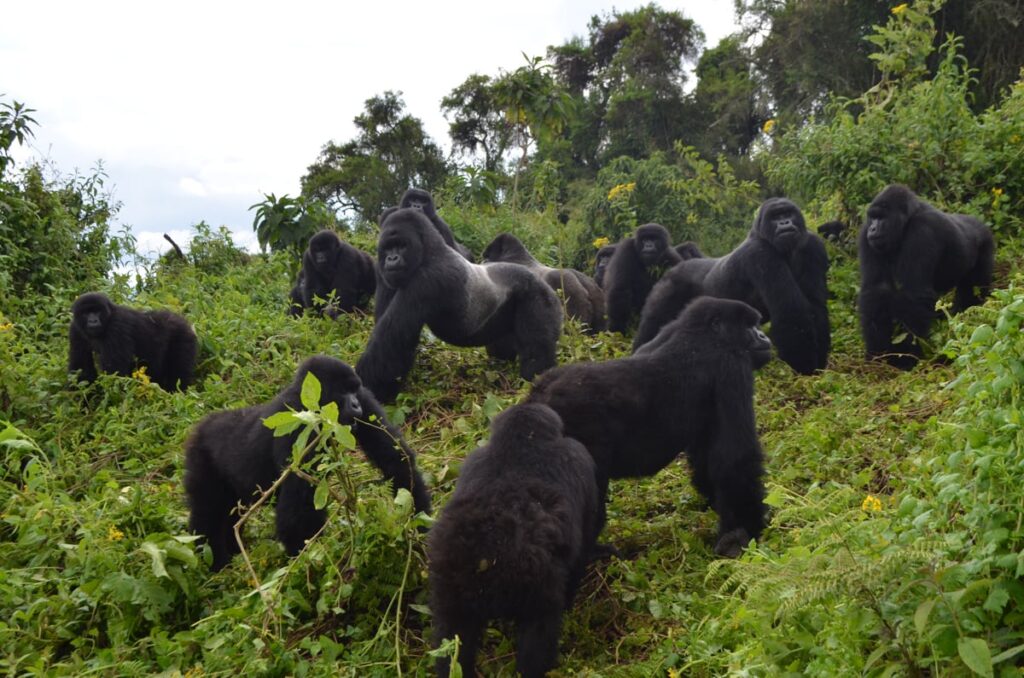
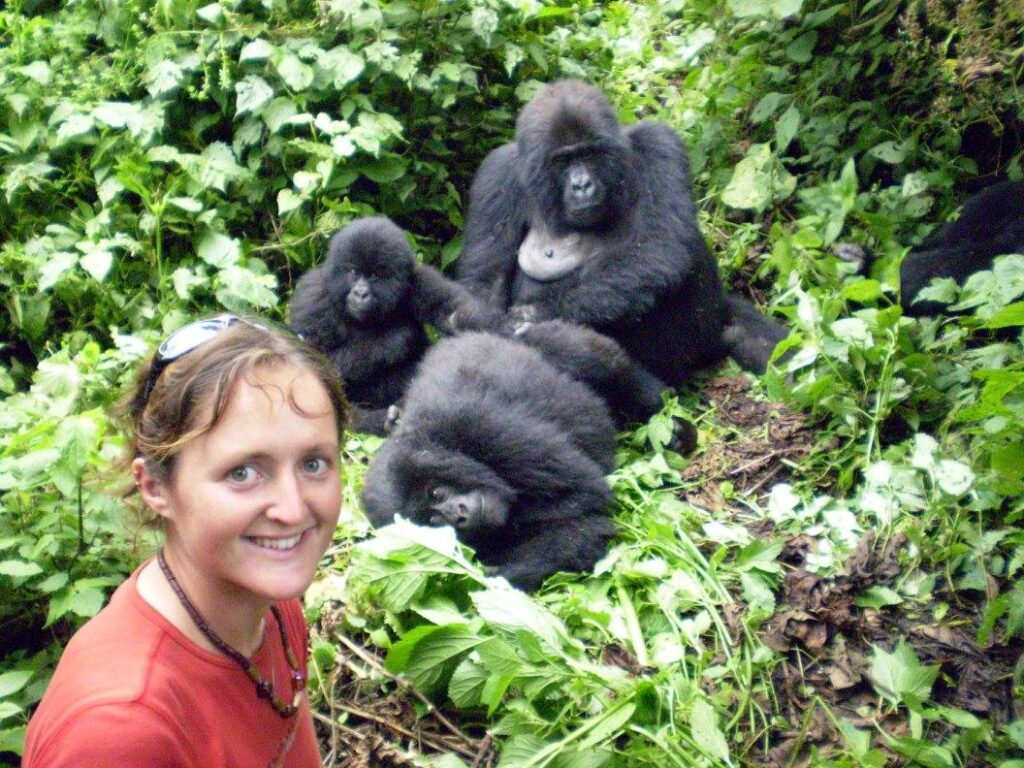
The one hour you spend with a habituated mountain gorilla family in Bwindi Impenetrable Forest or Volcanoes National Park will be unlike anything you have experienced before.
But the quality of that hour — how present you are, how physically prepared, how well-equipped — depends enormously on what you do before you enter the forest.
These gorilla trekking tips are the ones that experienced guides, returning safari guests, and professional wildlife photographers all agree on. Follow them and you will arrive at the gorilla family rested, capable, unburdened, and ready for the hour that changes everything.
Below are the Gorilla trekking tips Explained;
Book Your Gorilla Trekking Permit as Early as Possible
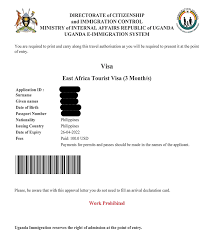
The single most important practical tip for any gorilla trekking trip is the one that comes before the packing list: book your gorilla trekking permit months in advance.
Uganda’s gorilla trekking permit costs USD $800 per person for foreign non-residents in peak season (June–September, December–February) and USD $600 in low season (April, May, November). Rwanda’s permit costs USD $1,500 year-round.
Each habituated gorilla family in Bwindi or Volcanoes National Park accepts a maximum of eight visitors per day — a strict conservation limit that means permits genuinely sell out, especially during peak season.
For July and August departures, booking six to nine months ahead is the practical minimum. For Christmas and New Year dates, begin planning twelve months ahead.
Choose the Right Trekking Sector for Your Fitness Level
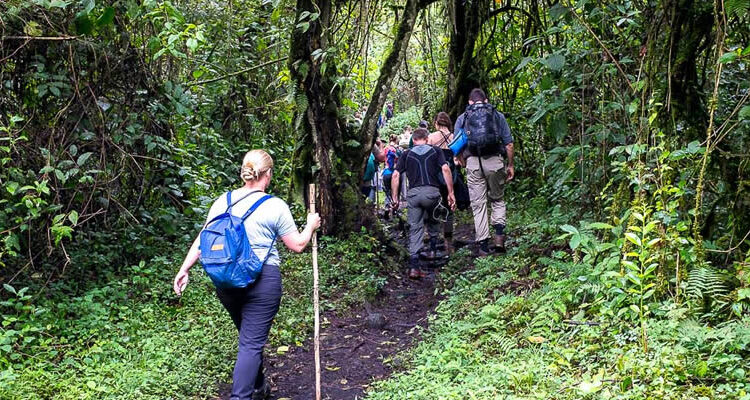
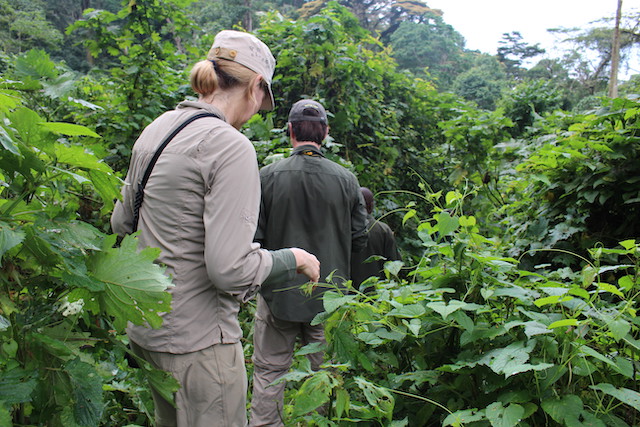
Gorilla trekking difficulty varies significantly between sectors. Bwindi’s Buhoma sector in the north has trails that are generally considered more accessible. Ruhija sector sits at the highest elevation and offers some of the most beautiful but also most demanding terrain.
Rushaga and Nkuringo in the south are both physically demanding — particularly Nkuringo, where the trek descends into and climbs out of a volcanic crater. Tell your operator or the UWA briefing rangers your fitness level honestly before assignment.
In Rwanda’s Volcanoes National Park, you are given a choice of easy, moderate, or challenging trekking routes that match you to a gorilla family at an appropriate distance and altitude.
Hire a Porter — This Is Non-Negotiable Advice
Every guide, every returning visitor, and every operator who has ever sent clients into Bwindi’s forest says the same thing: hire a gorilla trekking porter.
The porter fee is approximately USD $15 to $20 for the full trekking day, and what you receive in exchange is: your daypack carried throughout the trek, a steady arm on steep and slippery descents, hands free for photography and forest scrambling, and a direct livelihood contribution to the community families who live alongside the park.
The single most common regret among first-time gorilla trekkers is not hiring a porter. A trek that takes two hours with a porter can feel punishing with a loaded pack at altitude after three hours of sleep. Hire the porter.
Pack Light and Pack Right
Your gorilla trekking daypack should contain only what the day requires. Essential items include a litre of water per person minimum (two is better), high-energy snacks for the trail, a rain jacket or lightweight poncho (Bwindi’s weather changes fast), long-sleeved shirt and long trousers in neutral forest colours — dark green, brown, khaki — gardening gloves for gripping vegetation on steep sections, a small personal first-aid kit, insect repellent, sunscreen, and your camera or phone with a fully charged battery.
Leave valuables, unnecessary electronics, and anything that creates bulk at your lodge. The porter carries what you pack — but a lighter pack is better for everyone. Bright colours, particularly red, orange, and white, are best avoided as they may distract or alarm the gorillas.
Wear the Right Footwear
Waterproof, ankle-supporting hiking boots are the most important item of gear for gorilla trekking. Not trail runners, not sandals, not casual shoes. Bwindi’s forest paths are uneven, root-tangled, frequently muddy, and steep in multiple directions.
Ankle support prevents the most common trekking injury — a rolled ankle on a root or rock — and waterproofing keeps your feet dry on wet vegetation and stream crossings.
Break your boots in before travel. Gaiters are optional but genuinely useful for keeping mud, nettles, and insects out of boot tops during long treks through dense undergrowth.
Follow Every Gorilla Trekking Rule Without Exception
The rules governing gorilla encounters exist entirely to protect the gorillas, who are highly susceptible to human respiratory diseases and physiological stress from excessive disturbance.
Do not trek if you have a cold, flu, or any contagious illness — this is the most important health rule and is enforced absolutely. Maintain a minimum distance of seven metres from the gorillas at all times.
No flash photography under any circumstances. Do not eat, drink, or smoke in the gorillas’ presence. Do not make sudden movements or loud sounds.
If a gorilla approaches you, crouch slowly, look away, and do not run. Follow the lead ranger’s instructions immediately and without discussion.
Carry the Right Camera Equipment
The gorilla encounter takes place in a forest where ambient light is filtered through multiple canopy layers, producing conditions that test any camera.
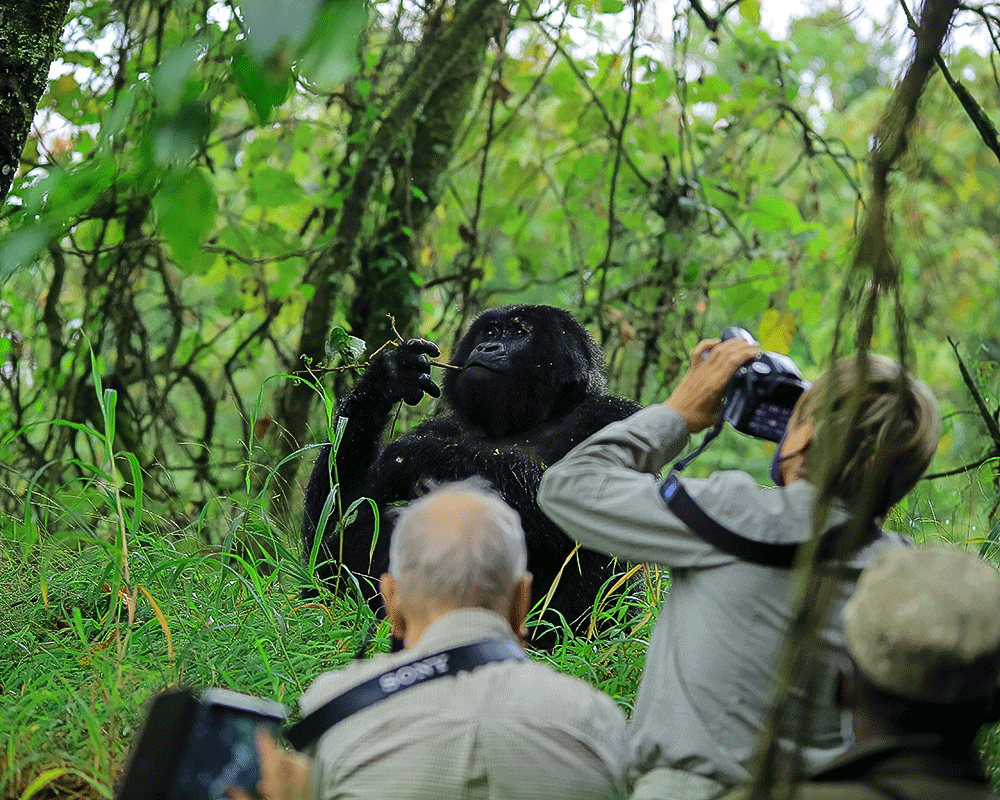
A camera that performs well in low light is more important than a large telephoto lens. The gorillas are often close enough that a 70mm to 200mm zoom is sufficient — and sometimes too long.
Bring spare batteries because cold, damp conditions drain batteries faster than normal. Charge everything fully the night before. Shoot in burst mode for moving juveniles. Turn off flash before entering the forest and keep it off throughout.
Respect the One-Hour Limit Entirely
Your gorilla trekking permit allows exactly one uninterrupted hour with the habituated gorilla family. The lead ranger will signal when the hour begins and when it ends.
This limit is not a suggestion or a target — it is an absolute conservation rule whose enforcement has contributed directly to the recovery of the global mountain gorilla population from under 300 individuals in the 1980s to over 1,000 today.
When the ranger signals that your hour is complete, begin walking away from the family immediately. Do not negotiate, delay, or attempt to extend the encounter. The hour is extraordinary as it is.
Tip Generously — Your Team Earned It
The UWA ranger guide, the advance trackers who located the gorilla family before dawn, and the porter who carried your pack through steep forest all work with a professionalism and dedication that deserves recognition.
Standard tipping practice in 2026 is approximately USD $20 to $30 for your ranger guide, USD $10 to $15 per tracker, and USD $5 to $10 for your porter above the porter fee.
These amounts are not mandatory, but they reflect genuine appreciation for people who make your encounter possible.
Be Physically Prepared Before You Arrive
Gorilla trekking is not extreme mountaineering, but it rewards preparation. Cardiovascular fitness — achieved through regular walking, hiking, or aerobic exercise in the months before travel — makes the approach to the gorilla family easier and the hour with them more present and more absorbed.
The trekker who arrives at the family exhausted from the approach photographs badly and misses details. The trekker who arrives fresh notices everything: the texture of the silverback gorilla fur, the specific sound of a juvenile landing in undergrowth, the expression of a mother watching your group with calibrated patience. Train for the walk before you take it. The forest will reward the preparation.
Arrive at the Briefing Station On Time
Gorilla trekking briefings begin at 7:00 to 7:30 AM depending on the park and sector. Arriving late creates stress for your group and may result in missing the briefing entirely, which in some cases means forfeiting the permit.
Plan to be at the briefing station at least 15 minutes early. This gives you time to organise your pack, use the facilities, collect your porter, apply insect repellent, and be composed and ready when the ranger begins the briefing. The morning of your gorilla trek should feel like anticipation, not rush.