Rwanda Gorilla Safaris: Complete 2025 Guide to Trekking Mountain Gorillas
Volcanoes National Park · 12 Habituated Families · USD 1,500 Permit
Rwanda Gorilla Safaris: Rwanda is one of only three countries on Earth where you can trek mountain gorillas in the wild — and it has built a reputation as the world’s most premium gorilla safari destination.
With a well-developed tourism infrastructure, luxury lodges on volcano slopes, and the most experienced gorilla guides in Africa, a Rwanda gorilla safari is a bucket-list experience unlike any other. This guide covers permit costs, gorilla families, itineraries, rules, packing, and everything in between.
What Is a Rwanda Gorilla Safari and Why Is It So Special?
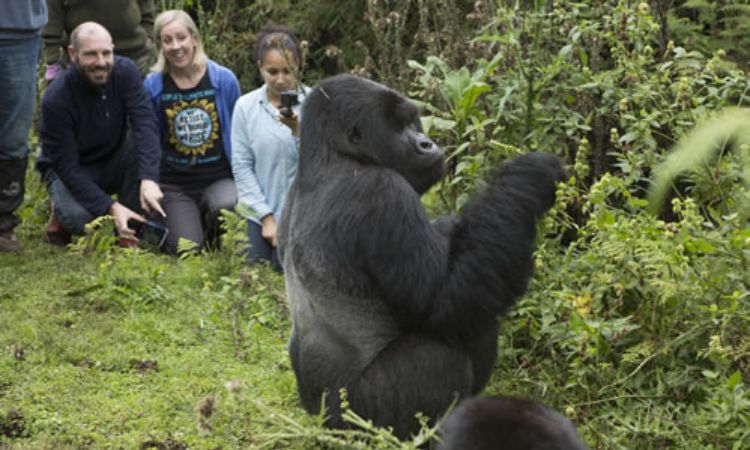
A Rwanda gorilla safari is a guided wildlife experience in which groups of up to 8 travellers trek through the dense bamboo and afromontane forests of Volcanoes National Park to spend one hour observing a habituated family of mountain gorillas (Gorilla beringei beringei) in their natural habitat.
No fence, no cage — just you and one of humanity’s closest living relatives, an animal that shares 98.3% of our DNA.
Mountain gorillas exist only in the Virunga Massif — a chain of ancient volcanoes spanning Rwanda, Uganda, and the DRC — and in the Bwindi Impenetrable Forest of Uganda.
Rwanda’s portion is protected within Volcanoes National Park, home to 12 habituated gorilla families open to trekking tourists.
| Stat | Value |
| Mountain Gorillas Alive Worldwide | 1,063 |
| Habituated Families (Rwanda) | 12 |
| Gorilla Trekking Permit Cost 2025 | USD 1,500 |
| Time Allowed With Gorillas | 1 Hour |
| Maximum Trekkers Per Group | 8 People |
Volcanoes National Park — Rwanda’s Gorilla Trekking Heartland
All Rwanda gorilla trekking takes place inside Volcanoes National Park (Parc National des Volcans), located in the Musanze District of northwestern Rwanda, approximately 110km from Kigali.
The park covers 160 square kilometres and is part of the larger Virunga Conservation Area — a transboundary protected landscape shared between Rwanda, Uganda, and the DRC.
The park is flanked by six volcanoes: Karisimbi (4,507m), Bisoke (3,711m), Muhabura (4,127m), Gahinga (3,474m), Sabyinyo (3,634m), and Mgahinga (3,474m). Gorilla families roam across the bamboo forests, hagenia-hypericum woodlands, and giant lobelia zones of these slopes at altitudes of 2,400m to 3,800m.
Volcanoes National Park is also where primatologist Dian Fossey conducted her legendary 18-year mountain gorilla research at the Karisoke Research Centre.
Her work, immortalised in Gorillas in the Mist, brought global attention to the plight of mountain gorillas and directly inspired the conservation programmes that have transformed the species from critically endangered to endangered.
Volcanoes National Park sits just 2–3 hours by road from Kigali International Airport — making Rwanda gorilla trekking one of the most logistically accessible big wildlife experiences in Africa. You can land in Kigali this morning and stand in front of a silverback tomorrow.
Rwanda Gorilla Trekking Permit Cost 2025 — Everything You Need to Know
The Rwanda gorilla trekking permit is issued by the Rwanda Development Board (RDB). Understanding the permit system is essential for planning and budgeting a Rwanda gorilla trek.
| Category | Permit Price (USD) | Notes |
| Foreign Non-Residents | $1,500 per person | Standard rate for all international visitors |
| EAC Residents (Foreign) | $1,500 per person | Same price regardless of EAC residency |
| Citizens of EAC States | $200 per person | Rwandan, Ugandan, Kenyan, Tanzanian nationals |
| Gorilla Habituation Experience | Not available in Rwanda | Only offered in Uganda (Bwindi) |
How and When to Book Your Rwanda Gorilla Permit
Rwanda gorilla permits can be booked directly through the Rwanda Development Board’s online portal or through a licensed Rwanda safari operator.
Only 96 permits are available daily across 12 gorilla families — 8 trekkers per family. During peak season (June–September and December–February), permits sell out months in advance. Booking 3–6 months ahead is strongly recommended for peak season travel.
The 12 Habituated Gorilla Families in Rwanda’s Volcanoes National Park
Rwanda’s 12 habituated gorilla families in Volcanoes National Park each have distinct personalities, sizes, and trekking difficulties. Key families include:
Susa Group [LARGEST · HIGH ALTITUDE]
One of the oldest and most studied gorilla families in the Virunga, originally monitored by Dian Fossey. With over 28 members at its peak, it is one of Rwanda’s largest habituated groups. Trekking to Susa is demanding — the family often roams at high altitude on Mount Karisimbi — but the encounter with a large multigenerational gorilla family is unforgettable.
Amahoro Group [PEACEFUL · BEGINNER-FRIENDLY]
“Amahoro” means peace in Kinyarwanda. This calm, human-tolerant family is one of the most popular for first-time Rwanda gorilla trekkers. Found on Mount Bisoke slopes; considered moderate difficulty. An excellent choice for less physically fit travellers.
Sabyinyo Group [EASIEST TREK · CLOSEST TO HQ]
The easiest Rwanda gorilla trek — the family’s territory is close to the Kinigi park headquarters, meaning hikes are short and less strenuous. Most sought-after for travellers with limited fitness or mobility constraints.
Hirwa Group [RARE TWINS · HIGH INTEREST]
“Hirwa” means lucky — and this group is home to a pair of rare twin gorillas. Twin births in mountain gorillas are extremely uncommon, making the Hirwa Group especially popular with wildlife photographers visiting Rwanda.
Agashya Group [DYNAMIC · ACTIVE SILVERBACK]
Led by an assertive, highly active silverback named Agashya. The group has a fascinating history of dramatic leadership changes, offering compelling observation of gorilla social dynamics. Moderately challenging trek.
Umubano Group [ACCESSIBLE · MID-RANGE TREK]
Formed when two males split from the Amahoro Group. A mid-sized family offering an excellent gorilla trekking experience at accessible altitude on the lower Virunga slopes.
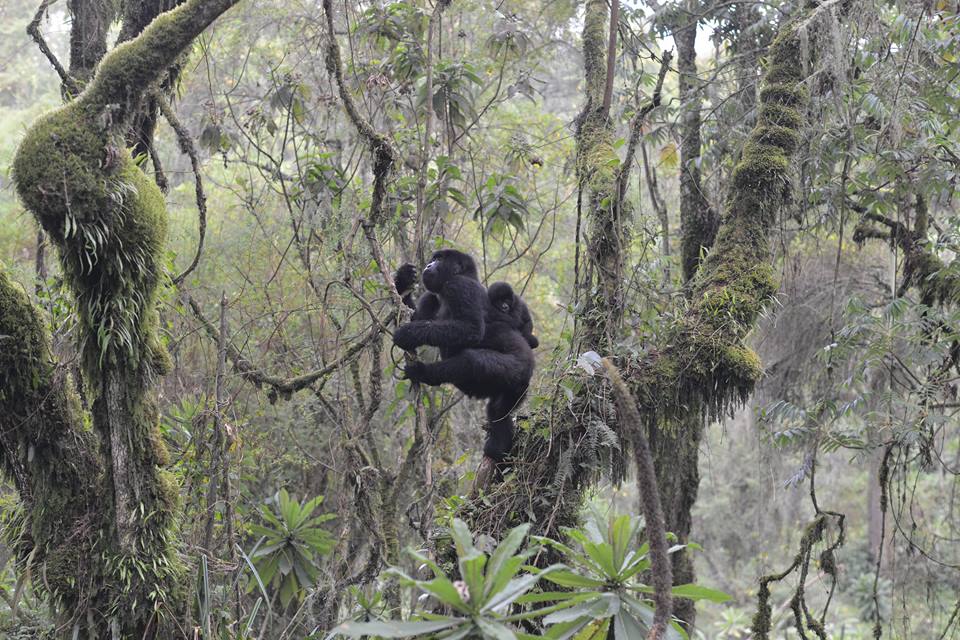
Rwanda Gorilla Safari Itineraries — 3-Day, 5-Day, and 7-Day Options
Rwanda gorilla safaris can be combined with golden monkey trekking, volcano hiking, cultural experiences at the Iby’Iwacu Cultural Village, and wildlife viewing at Akagera National Park to create diverse Rwanda safari packages.
| Day | 3-Day Rwanda Gorilla Safari | Cost Notes |
| Day 1 | Arrive Kigali; transfer to Musanze/Volcanoes (2.5–3 hrs); lodge briefing | Transfer $80–$150; lodge $150–$400/night |
| Day 2 | 7:00 AM gorilla briefing at Kinigi RDB HQ; trek to assigned gorilla family; 1 hour with gorillas; optional afternoon cultural village visit | Permit $1,500; park fee $40; porter $20; guide tip $30–$50 |
| Day 3 | Optional golden monkey trekking or Karisoke hike; transfer back to Kigali | Golden monkey permit $100; Karisoke hike $75 |
5-Day Rwanda Gorilla and Golden Monkey Safari
A 5-day Rwanda safari adds depth: gorilla trekking on day two, golden monkey trekking or a Mount Bisoke crater lake hike on day three, Kigali city tour on day four.
The golden monkey trek in Volcanoes National Park costs just USD 100 — an excellent complement to a Rwanda gorilla safari.
7-Day Rwanda Gorilla, Akagera, and Cultural Safari
A 7-day Rwanda safari package combines gorilla trekking in Volcanoes National Park with Big Five game drives in Akagera National Park on Rwanda’s eastern border.
Akagera received lions in 2015 and rhinos in 2017, completing Rwanda’s Big Five portfolio. A 2-day game drive and boat cruise on Lake Ihema make this the most comprehensive Rwanda wildlife safari available.
Best Time for Gorilla Trekking in Rwanda — Season by Season
Mountain gorillas do not migrate — gorilla trekking in Volcanoes National Park is possible year-round. However, seasons significantly affect trail conditions, photography, and comfort.
Peak Season — June to September (Long Dry Season)
The most popular period for Rwanda gorilla trekking. Firmer trails, less dense vegetation, more open gorilla sightings. Permits and lodges book fastest during this window — ideal for the most comfortable and photogenic Rwanda gorilla safari experience.
Secondary Peak — December to February (Short Dry Season)
Conditions almost as good as the long dry season. December coincides with Christmas and New Year holidays — one of the busiest times for Rwanda gorilla safaris. Book 3–6 months ahead.
Green Season — March to May and October to November
Lush, vibrantly green volcano slopes. Trails are muddier but gorilla trekking is still fully rewarding. Lodge and package prices are lower, the park is less crowded, and the forest is breathtakingly beautiful. Best for budget-conscious gorilla trekkers in Rwanda.
Rwanda Gorilla Safari vs Uganda Gorilla Safari — A Detailed Comparison
The Rwanda versus Uganda gorilla trekking debate is one of the most frequently asked questions among first-time gorilla safari planners. Both countries offer extraordinary encounters with mountain gorillas, but the experience, cost, and logistics differ significantly:
| Factor | Rwanda | Uganda |
| Gorilla permit cost | USD 1,500 | USD 800 |
| Habituated gorilla families | 12 | 19 |
| Drive from capital to park | 2–3 hrs (Kigali to Musanze) | 8–10 hrs (Kampala to Bwindi) |
| Tourism infrastructure | Highly developed, luxury-focused | Budget to luxury range |
| Budget accommodation | Limited; mostly $150+/night | Extensive; from $15/night |
| Gorilla habituation | Not available | Yes — Bwindi ($1,500, full day) |
| Overall 3-day trip cost | $1,800–$3,500+ | $950–$1,600 |
| Wildlife combinations | Akagera Big Five, golden monkey | Chimps, Queen Elizabeth, Murchison Falls |
Rwanda offers the world’s most polished premium gorilla experience — at a higher price. Uganda offers more gorilla families, a lower permit cost, and a far richer multi-day wildlife safari context.
Many East Africa gorilla safari travellers now combine both countries in a single 10–14-day East Africa safari for the ultimate gorilla experience.
Rwanda Gorilla Trekking Requirements — Rules, Health, and Age Limits
To protect mountain gorillas and ensure trekker safety, the Rwanda Development Board enforces strict gorilla trekking rules in Volcanoes National Park:
- Minimum age of 15 years. Children under 15 are not permitted to go gorilla trekking in Rwanda.
- No trekking if you are ill. Trekkers with cold, flu, or respiratory symptoms are turned away at briefing. Mountain gorillas are highly susceptible to human respiratory diseases — a gorilla infection can be fatal. No permit refunds for illness.
- Maximum group size of 8 people per gorilla family. Only 8 trekkers are allowed per family per day to minimise stress on gorillas.
- Minimum distance of 7 metres from gorillas. Maintain 7 metres at all times unless gorillas approach of their own accord.
- No flash photography near gorillas. A camera with good low-light performance is essential for great gorilla safari photos.
- No eating or drinking within 200 metres of the gorilla family. Food odours can attract gorillas to human food sources and disrupt natural foraging.
- Do not mimic gorilla calls or behaviour. Mimicking vocalisations or chest-beating can be interpreted as aggression by silverbacks.
What to Pack for a Rwanda Gorilla Safari — The Essential Kit List
Packing correctly for gorilla trekking in Volcanoes National Park makes the difference between a comfortable encounter and a miserable one. The terrain is steep, the forest is thick, and altitude varies significantly across gorilla family territories.
- Sturdy ankle-support hiking boots, waterproofed. The single most important item. Trails in Volcanoes National Park are steep and often muddy.
- Long-sleeved shirts and full-length trousers in dark, neutral colours. Khaki, olive, dark green, or brown. Avoid bright colours. Long clothing protects against stinging nettles, thorns, and insects.
- Lightweight waterproof rain jacket or poncho. Rain is possible at any time in Volcanoes National Park’s montane rainforest.
- Garden gloves or lightweight trekking gloves. For gripping vegetation on steep climbs and protecting hands from thorns.
- Insect repellent containing DEET. Essential for the bamboo forest where mosquitoes, ticks, and chiggers are present.
- Camera with excellent low-light capability. No flash photography is permitted near gorillas. Strong high-ISO performance is vital.
- Small daypack with 1.5–2 litres of water and energy snacks. The trek can last up to 8 hours. Hydration and energy are critical at altitude.
- Altitude sickness medication (consult your doctor). Trekking at 2,400–3,800m can cause altitude sickness. Ask your travel doctor about Diamox.
Where to Stay for a Rwanda Gorilla Safari
Accommodation near Volcanoes National Park ranges from basic guesthouses in Musanze town to some of the most exclusive safari lodges in Africa.
Luxury Gorilla Safari Lodges in Rwanda
Lodges like Singita Kwitonda, One&Only Gorilla’s Nest, Bisate Lodge (Wilderness), and Sabyinyo Silverback Lodge sit at 2,200–2,600m with extraordinary volcano views. Rates range from USD 900 to over USD 2,000 per person per night, inclusive of meals and activities.
Mid-Range Rwanda Gorilla Safari Accommodation
Boutique guesthouses and mid-range lodges in the Musanze area offer clean, comfortable rooms at USD 150–$400 per person per night — comfort without the ultra-luxury price tag.
Budget Accommodation Near Volcanoes National Park
Basic guesthouses and budget hotels in Musanze town charge USD 30–$80 per night. Located ~15km from the Kinigi park headquarters, they are clean and well-positioned for early-morning transfers to the RDB briefing.
Rwanda Gorilla Conservation — How Your Permit Fee Saves Lives
In 1981, the Virunga mountain gorilla population had collapsed to an estimated 242 individuals — extinction appeared virtually inevitable. Today, more than 1,063 mountain gorillas live in the Virunga and Bwindi ecosystems combined — the only great ape species whose wild population is actually growing.
Rwanda’s gorilla trekking permit revenue is the primary funding mechanism for this conservation success. The Rwanda Development Board directs permit revenue into park management, ranger salaries, anti-poaching operations, community revenue-sharing, and veterinary care. ]The Gorilla Doctors have treated hundreds of gorillas for snare wounds, injuries, and respiratory illnesses, dramatically reducing mortality in habituated populations.
The community revenue-sharing scheme, which returns a percentage of park gate fees to villages bordering Volcanoes National Park, has transformed local attitudes toward gorilla conservation.
Communities that once viewed gorillas as crop-raiders now see them as the foundation of a tourism economy that funds schools, clinics, and infrastructure. When you purchase a Rwanda gorilla trekking permit, you are funding the ongoing survival of an entire species.
FAQs About Rwanda Gorilla Safaris
Q: How much does a Rwanda gorilla safari cost in total?
A: A complete 3-day Rwanda gorilla safari per person — permit ($1,500), park fees ($40), transport ($80–$150), mid-range lodge 2 nights ($300–$800), meals ($80–$150), porter ($20), tip ($30–$50) — typically costs USD 2,050–$2,690 per person at mid-range. Budget options can bring this to ~$1,750. Luxury versions at top lodges easily exceed $5,000 per person.
Q: Is Rwanda gorilla trekking physically demanding?
A: It ranges from easy (Sabyinyo Group — short hike) to very demanding (Susa Group — long steep hike at high altitude). Most trekkers of average fitness can complete the experience. Porters are available at the park headquarters for $10–$20 and strongly recommended for less-fit trekkers.
Q: Can I combine a Rwanda gorilla safari with Uganda gorilla trekking?
A: Yes — one of the most popular East Africa multi-country safari combinations. Rwanda and Uganda share the Virunga Massif. A 7–10-day combined Rwanda and Uganda gorilla safari gives you the premium Rwanda experience alongside Uganda’s more affordable, wildlife-rich gorilla trekking landscape.
Q: Do I need a visa to visit Rwanda for a gorilla safari?
A: Most nationalities can get a Rwanda visa on arrival or apply online. Standard tourist visa costs USD 30 for 30 days. African Union citizens enjoy visa-free access. The East Africa Tourist Visa (USD 100, multi-entry) covers Rwanda, Uganda, and Kenya — ideal for multi-country East Africa gorilla safari itineraries.
Q: What is the difference between gorilla trekking and gorilla habituation?
A: Gorilla trekking is a 1-hour visit to a fully habituated gorilla family. Gorilla habituation is a full day with a gorilla family still adjusting to human presence ($1,500; 4 hours with gorillas). Gorilla habituation is only available in Uganda (Bwindi) — not in Rwanda.
Rwanda Is Magnificent.
But Your East Africa Story Is Bigger Than One Country.
You have just read everything there is to know about Rwanda gorilla safaris — the permits, the families, the volcano lodges, the conservation legacy. Rwanda is extraordinary. But here is the truth every serious East Africa traveller eventually discovers: the most complete, most affordable, and most diverse gorilla safari experience in the world begins in Uganda.
At All Uganda Safari Tours, we have spent years building itineraries that combine the premium Rwanda gorilla experience with Uganda’s unmatched wildlife depth — and we do it at a total cost that makes the entire East Africa gorilla safari more achievable than Rwanda alone.
Trek gorillas with the Susa family in Volcanoes National Park, then cross into Uganda and do it again in Bwindi’s ancient forest for nearly half the permit price.
Then stay in Uganda and discover what Rwanda cannot offer: chimpanzee tracking in Kibale Forest — the primate capital of the world. A sunrise game drive across Queen Elizabeth National Park, where lion, leopard, elephant, and buffalo roam. The thunder of Murchison Falls as the Nile forces itself through a 7-metre gap in ancient rock.
Tree-climbing lions in Ishasha. Shoebills in the papyrus swamps of Lake Victoria. Uganda is not a consolation prize — it is a full East Africa safari universe in a single country.
Whether you want a 3-day budget gorilla trekking tour from Entebbe, a combined Rwanda and Uganda gorilla safari, or a sweeping 14-day East Africa wildlife odyssey, All Uganda Safari Tours builds every itinerary from the ground up — with local knowledge, guaranteed UWA permit sourcing, hand-picked accommodation at every budget level, and guides who have spent decades on these trails.
The mountain gorillas of East Africa are waiting. There are fewer than 1,063 of them left on Earth — and in this moment, one silverback is sitting on the misty slopes of a volcano, utterly indifferent to the fact that the greatest wildlife encounter of your life is a permit and a trek away.
Don’t just visit Rwanda. Experience East Africa the way it was meant to be explored — with All Uganda Safari Tours as your guide. Contact Us today for a Free Quote!
📧 info@allugandansafaritours.com | 📍 Based in Uganda | UTA Licensed | Rwanda + Uganda Specialists