Gorilla Trekking Packing List: What to Pack for Uganda & Rwanda
Gorilla Trekking Packing List: Gorilla trekking is one of the most thrilling wildlife adventures in East Africa, taking you deep into the misty, dense forests of Bwindi Impenetrable National Park in Uganda and Volcanoes National Park in Rwanda.
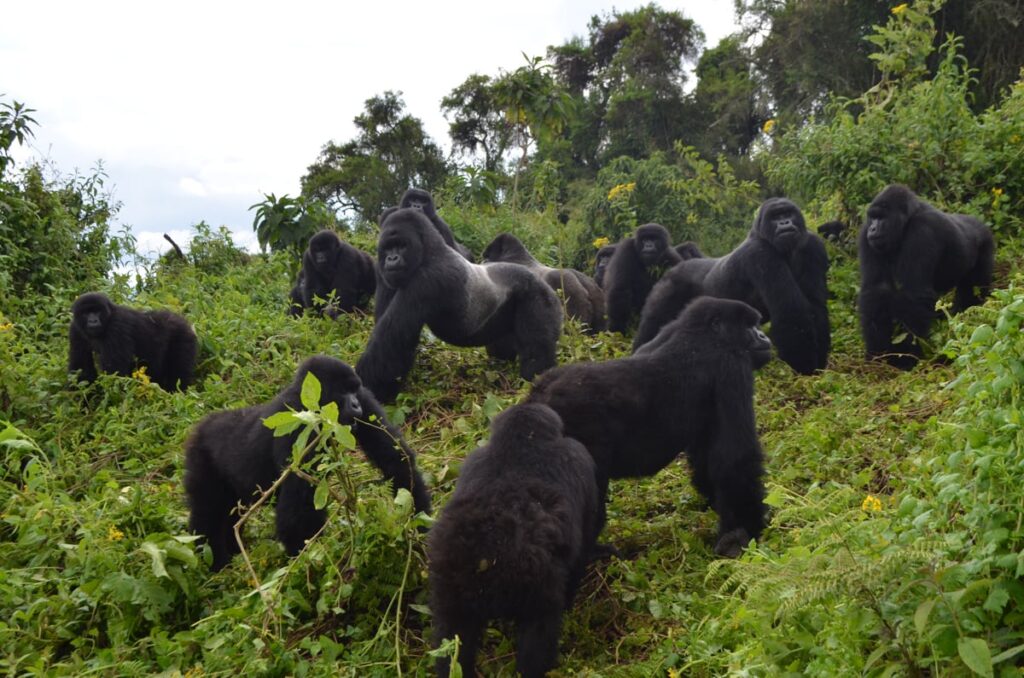
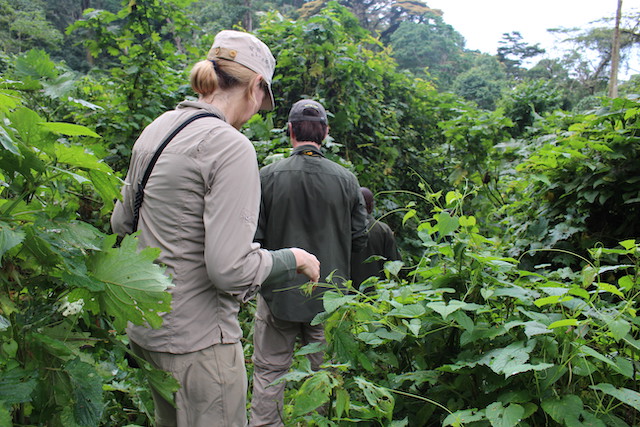
These UNESCO World Heritage sites are home to the critically endangered mountain gorillas, and the experience involves hours of hiking through thick vegetation, steep muddy trails, and unpredictable weather.
Proper preparation with the right gorilla trekking packing list makes all the difference between an exhausting ordeal and an unforgettable, comfortable encounter with these gentle giants.
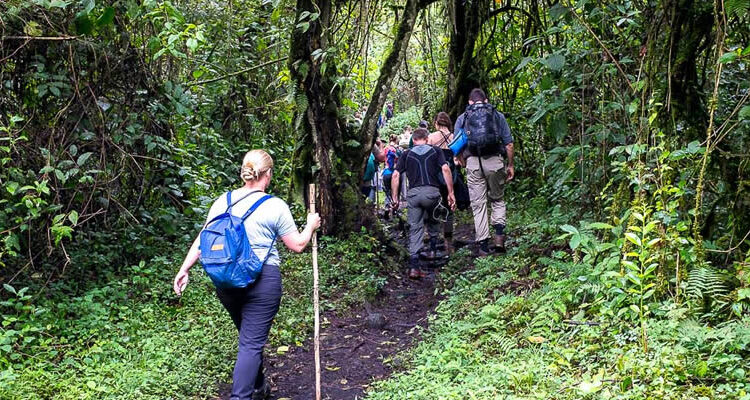
Whether you’re tracking in the lush hills of Bwindi or the volcanic slopes of Rwanda, expect challenging terrain with slippery paths, dense undergrowth, and frequent rain—even during drier months.
The right gorilla trekking essentials protect you from scratches, insects, and fatigue while allowing you to focus on the magic of observing gorilla families up close.
This 2026 guide covers exactly what to pack for gorilla trekking, including clothing, gear, health items, and practical tips drawn from real trekkers’ experiences in these iconic parks.
What to Wear for Gorilla Trekking: Clothing Essentials
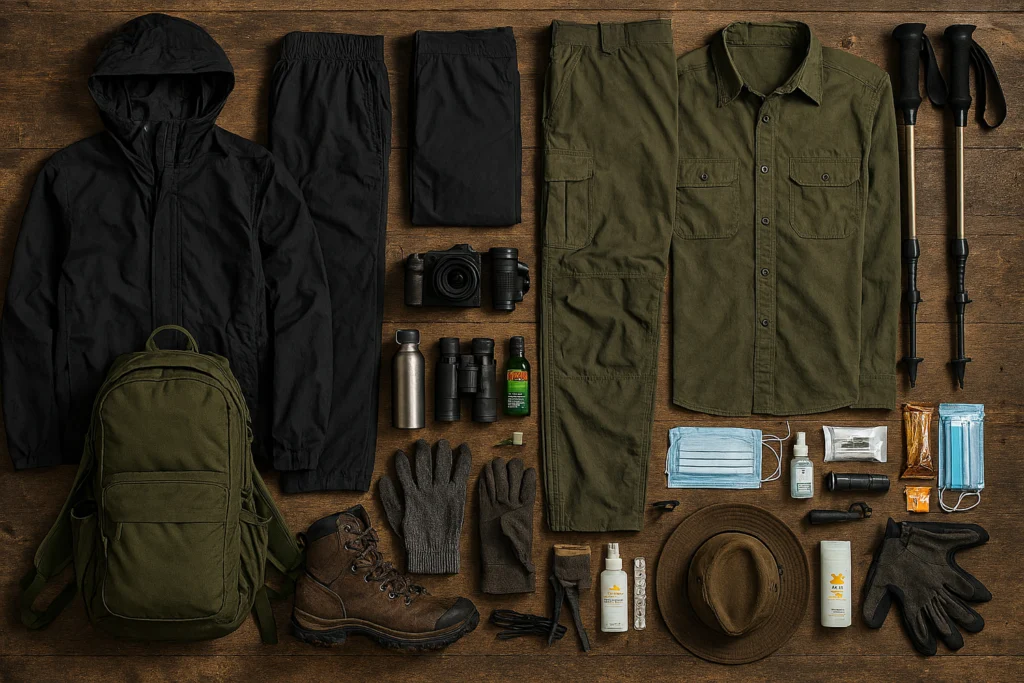
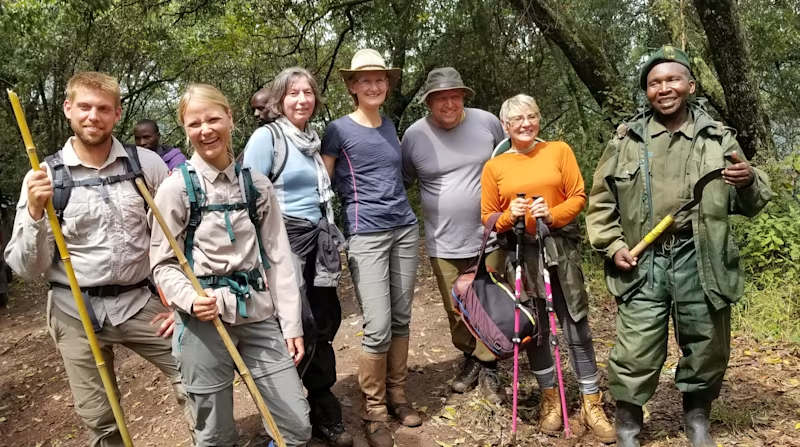
Choosing the right attire is crucial for comfort and safety. The forests feature nettles, thorns, and wet conditions, so prioritize protection over style. Opt for earth tones like khaki, olive green, brown, or grey to blend with the environment—avoid bright colors, camouflage (often illegal for civilians), or animal prints that could startle the gorillas.
Long-sleeved shirts (2–3 pairs) made from quick-drying, breathable synthetic fabrics are a must. They shield your arms from stinging plants, insects, and sun while wicking away sweat during uphill climbs. Lightweight, moisture-wicking t-shirts work well as base layers.
Long trousers (2 pairs) are non-negotiable—zip-off convertible pants offer versatility. Tuck them into socks or boots to prevent insects and scratches from nettles common in Bwindi. Waterproof or quick-drying pants add extra protection during rain.
A waterproof jacket or lightweight rain poncho is essential. Rain can hit suddenly, turning trails into muddy slides. Choose a breathable, packable one that won’t weigh you down. Add a fleece or sweater for chilly mornings and higher altitudes, where temperatures drop.
Don’t forget a wide-brimmed hat or cap for sun protection and a bandana for wiping sweat or covering your neck. Gloves—sturdy gardening-style ones—are highly recommended for grabbing vines and vegetation without cuts. Many experienced trekkers swear by them for navigating dense sections in Volcanoes National Park.
Layering is key: start with a base layer, add insulating pieces, and top with waterproof outerwear. This system handles the variable conditions from cool starts to sweaty hikes.
Footwear: The Most Critical Item on Your Gorilla Trekking Packing List
Your feet will thank you for investing in proper gorilla trekking boots. Strong, waterproof hiking boots with excellent ankle support and aggressive tread are vital for the steep, slippery, and often muddy trails in Bwindi and Volcanoes. Break them in well before your trip to avoid blisters—many trekkers regret skimping here after a long day on uneven terrain.
Pair boots with thick, moisture-wicking socks (several pairs) to prevent blisters and keep feet dry. Some add gaiters for extra mud and debris protection. Rubber gumboots are sometimes used by locals and guides, but sturdy leather or synthetic hiking boots remain the top choice for most visitors.
Leave sandals, sneakers, or lightweight shoes at the lodge—they won’t handle the conditions.
Gear & Equipment for a Successful Trek
A small daypack (20–30 liters) is perfect for carrying essentials without bulk. It should be waterproof or come with a rain cover to protect your items during downpours. Inside, pack a reusable water bottle (at least 2 liters), as staying hydrated is critical at altitude.
Many parks or guides provide a walking stick, but bringing your own lightweight trekking poles can help with balance on steep slopes. A rain poncho serves as backup to your jacket.
Binoculars enhance viewing if gorillas stay at a distance, while a good camera (with extra batteries and memory cards) captures memories—no flash photography allowed. A power bank keeps devices charged, as lodges may have limited electricity.
Other useful items include a headlamp or flashlight for early starts, a small first-aid kit, and plastic zip bags for organizing wet or dirty gear.
Health & Protection Items
The forests are home to insects, so pack strong insect repellent with DEET. Apply it to exposed skin and clothing. Sunscreen is important during open sections, even on cloudy days.
Hand sanitizer and wet wipes help maintain hygiene, especially before meals or after handling vegetation. Bring any personal medications, including altitude sickness remedies if sensitive, plus basic pain relievers and blister plasters.
A lightweight medical mask may be required or recommended near gorillas due to disease transmission risks—gorillas are highly susceptible to human illnesses.
What NOT to Pack for Gorilla Trekking
Avoid heavy luggage—treks start from park offices with limited storage. Pack light; porters or vehicles handle main bags, but daypacks should stay compact.
Skip bright-colored clothes, strong perfumes or scented products (they attract insects or disturb wildlife), and cotton items that stay wet and heavy. No single-use plastics where possible, and leave valuable jewelry or unnecessary electronics behind to minimize risk.
Camouflage clothing is prohibited in many areas, and flashy accessories can unsettle the gorillas.
Packing Tips for Gorilla Trekking
Pack light and smart: roll clothes to save space and use compression bags. Place items in waterproof dry bags or ziplocks—rain is inevitable.
Test your gear beforehand. Many trekkers in Bwindi report muddy trails that turn boots into heavy weights, so prioritize quick-drying materials.
Prepare for rain by carrying your jacket in an accessible pocket. Bring energy snacks like nuts or bars for sustained energy during potentially 3–8 hour treks.
Weather Considerations for Gorilla Trekking in Uganda and Rwanda
Bwindi and Volcanoes National Parks sit at high altitudes with equatorial climates. Expect cool mornings (around 10–15°C/50–59°F) warming up during the day, with frequent rain showers year-round. Trails become slippery and muddy after rain, increasing the physical demand.
Even in drier periods, sudden downpours occur. The dense canopy keeps humidity high, so breathable yet protective gear is best. Altitude can make hikes feel tougher, so pace yourself and stay hydrated.
Seasonal Packing Tips: Dry vs. Rainy Season
The dry seasons (June–September and December–February) offer the best conditions—less mud, easier trails, and gorillas often at lower elevations. Pack lighter rain gear but still include full waterproof layers.
In the rainy seasons (March–May and October–November), trails are muddier and more challenging, but crowds are thinner and vegetation lush. Add extra quick-drying socks, stronger gaiters, and perhaps a change of clothes at the lodge. Permits may be easier to secure or discounted off-peak.
Regardless of season, rain is common, so treat every trek as potentially wet.
Do You Need a Porter for Gorilla Trekking?
Hiring a porter is highly recommended, especially for first-timers or those with moderate fitness. Porters carry your daypack, allowing you to focus on the hike without fatigue from extra weight. They often provide encouragement on steep sections and share local knowledge.
Porters are usually local community members, and hiring them supports conservation by providing alternative income to former poachers. Fees are reasonable (often $10–20 USD plus tip), and many trekkers say it’s one of the best decisions for comfort and safety. In Bwindi’s rugged terrain, a porter can make a huge difference on longer or steeper treks.
Gorilla Trekking Rules You Must Follow
Respecting rules protects both you and the gorillas:
- Maintain a 7–10 meter (23–33 feet) distance.
- No flash photography; speak quietly and avoid sudden movements.
- Limit viewing time to one hour per group.
- Maximum 8 visitors per gorilla family daily.
- Do not eat, drink, or smoke near gorillas.
- If ill with flu or similar, you may be turned away—gorillas share our susceptibility to respiratory illnesses.
- Age minimum is usually 15 years.
Guides enforce these strictly for conservation.
Sample Gorilla Trekking Packing Checklist
Clothes
- 2–3 long-sleeved shirts
- 2 long trousers
- Waterproof jacket/poncho
- Fleece/sweater
- Hat/bandana
- Gloves
Footwear
- Waterproof hiking boots
- Thick socks (3–4 pairs)
- Gaiters (optional)
Gear
- Daypack (20–30L)
- Walking stick/poles
- Water bottle (2L+)
- Camera/binoculars
- Power bank
Health & Protection
- Insect repellent
- Sunscreen
- Hand sanitizer/wipes
- Personal meds
- Basic first-aid
Extras
- Energy snacks
- Rain cover for pack
- Passport/permit copies
Print this checklist or save it digitally for easy reference.
FAQs About What to Pack for Gorilla Trekking
What should I wear for gorilla trekking?
Long-sleeved shirts, long trousers in neutral colors, and sturdy boots. Layer for variable weather and protect against vegetation.
Do I need hiking boots for gorilla trekking?
Yes—waterproof boots with good grip and ankle support are essential for muddy, steep trails in Bwindi and Volcanoes.
Is it cold during gorilla trekking?
Mornings and higher altitudes can feel chilly, but it warms up. Bring a light sweater or fleece.
Can I bring a backpack?
Yes, a small waterproof daypack is ideal. Larger suitcases stay at the lodge.
How do I prepare for rain on a gorilla trek?
Always carry a quality rain jacket or poncho. Pack items in waterproof bags.
Planning Your Gorilla Trekking Adventure
For deeper preparation, explore our guides on gorilla trekking in Uganda, the gorilla permit guide, and the best time to trek gorillas. Booking through reputable operators ensures smooth logistics, including transfers and briefings.
Conclusion: Pack Right for an Unforgettable Gorilla Experience
Packing correctly for gorilla trekking transforms your journey into Bwindi Impenetrable National Park or Volcanoes National Park. With the right clothing, sturdy boots, protective gear, and a positive mindset, you’ll navigate muddy trails confidently and fully immerse in one of nature’s greatest spectacles.
Remember: the goal is minimal impact on the gorillas while maximizing your safety and enjoyment. Pack light, prepare for rain, consider a porter, and follow the rules.
Your well-planned gorilla safari gear will help create memories that last a lifetime—watching a silverback move through the forest or a playful juvenile swinging nearby is truly magical.
Safe travels, and may your 2026 gorilla trekking adventure be everything you dreamed of. Start assembling your list today and get ready for the adventure of a lifetime in Uganda and Rwanda!