Where Do Elephants Live? Habitat, Range & Distribution Explained
Where Do Elephants Live: Elephants live in Africa and Asia, inhabiting a remarkable variety of ecosystems from open savannas and dense tropical forests to wetlands, river valleys, and even arid deserts in rare cases.
These gentle giants—Earth’s largest land mammals—have adapted to thrive across two continents, but their ranges are shrinking due to human pressures.
From the vast plains of Botswana to the lush jungles of India and the protected parks of Uganda, elephants play a vital role as ecosystem engineers, shaping landscapes wherever they roam.
Whether you’re planning a safari or simply curious about these iconic animals, understanding their habitats reveals why conservation is more urgent than ever.
Let’s explore their geographical distribution, preferred ecosystems, unique adaptations, and the challenges they face today.
Where Elephants Are Found: Geographical Distribution
Elephants are divided into three distinct species, each with its own range and habitat preferences. African savanna elephants (Loxodonta africana) and African forest elephants (Loxodonta cyclotis) are found exclusively in sub-Saharan Africa, while Asian elephants (Elephas maximus) roam fragmented habitats across South and Southeast Asia.
African Elephants
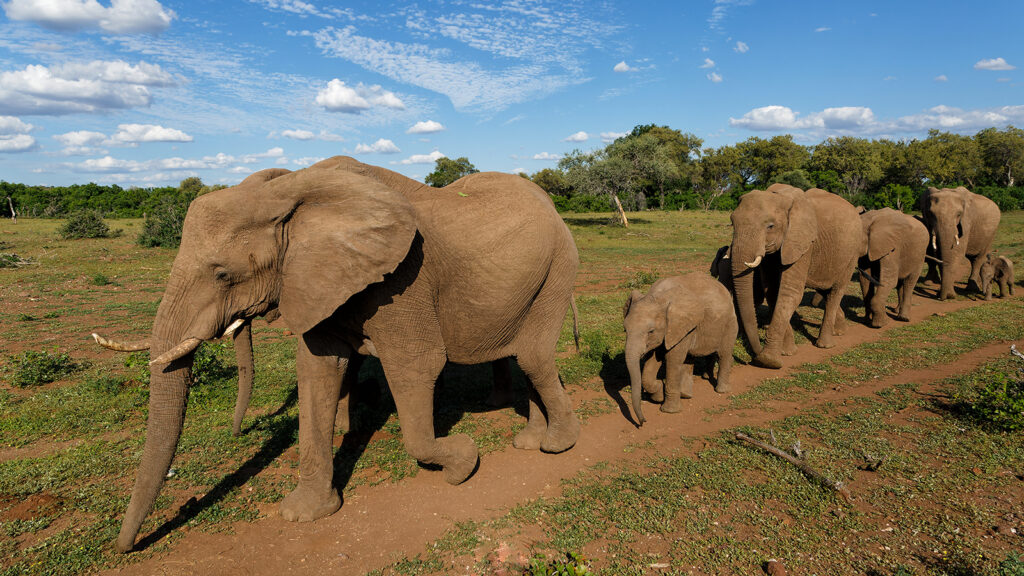
African elephants once ranged across nearly the entire continent but are now concentrated in 37 countries south of the Sahara. Savanna elephants dominate the open grasslands and woodlands of East and Southern Africa, with the largest populations in Botswana (around 132,000), Zimbabwe (65,000), Tanzania (60,000), and Kenya (36,000).
Forest elephants prefer the dense rainforests of Central and West Africa, with strongholds in Gabon (95,000) and the Republic of Congo.
These massive herbivores shape entire landscapes: savanna elephants create pathways through tall grass, while forest elephants disperse seeds across vast jungle floors.
Asian Elephants
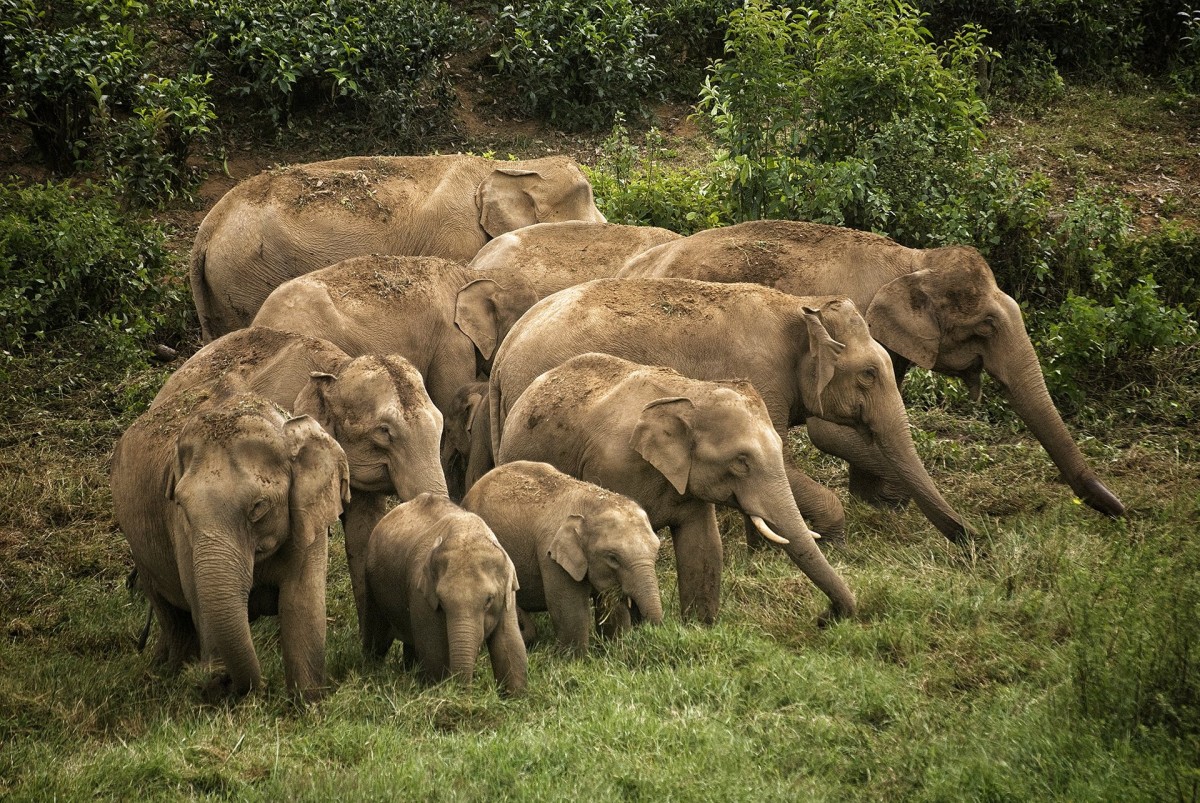
Asian elephants are found in just 13 countries, including India (home to over half the global population), Sri Lanka, Thailand, Myanmar, and smaller populations in Cambodia, Laos, and Malaysia. They favor hilly forests, grasslands, and swampy lowlands rather than vast open plains.
Unlike their African cousins, Asian elephants have smaller ears and a more rounded back, reflecting adaptations to denser, humid environments.
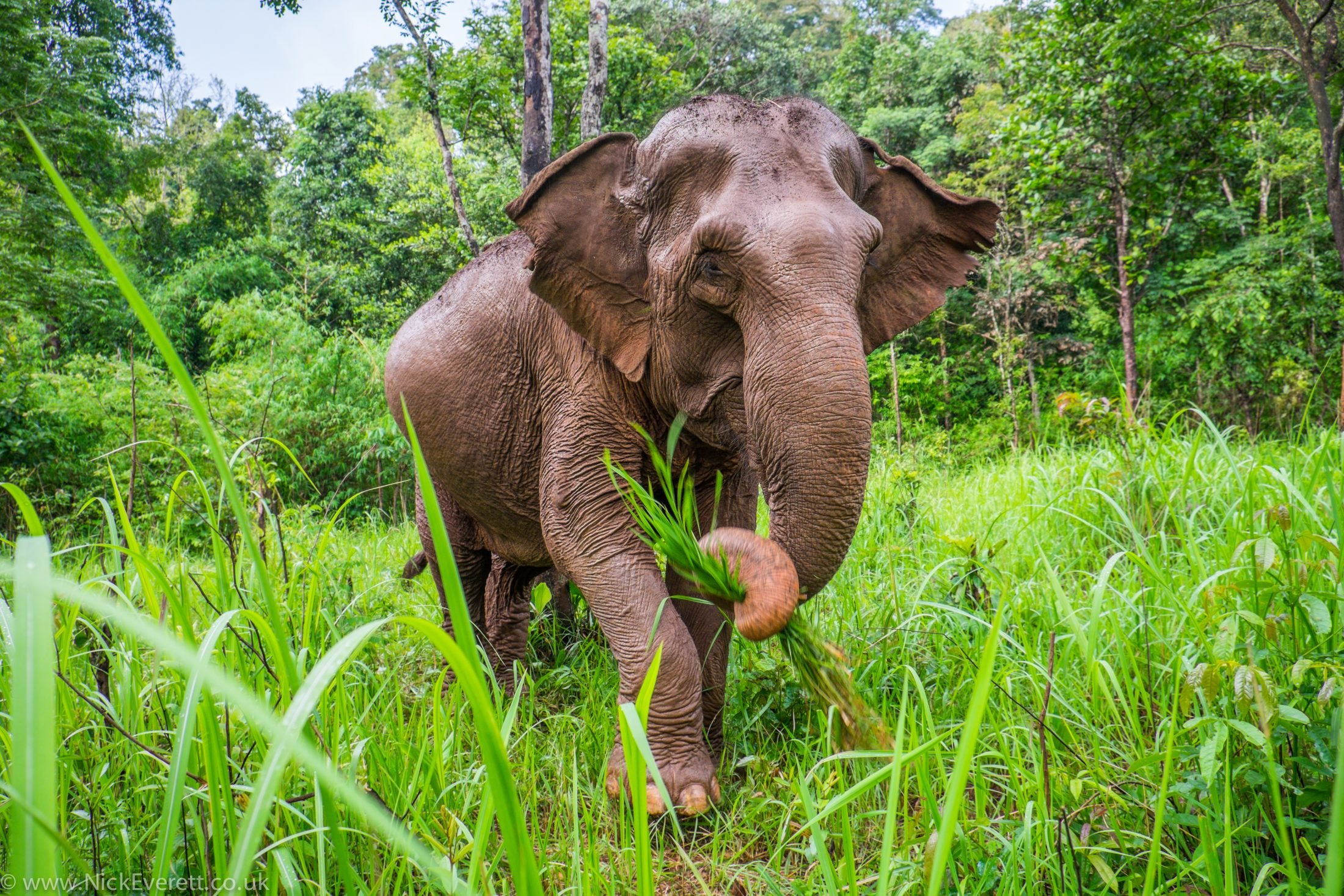
Key Comparison: African vs. Asian Elephant Habitats
African elephants enjoy broader, more connected ranges across savannas and forests, while Asian elephants survive in highly fragmented patches surrounded by human settlements.
African savanna elephants tolerate drier, hotter conditions; Asian elephants require consistent access to water and shade in tropical forests.
This makes Asian populations more vulnerable to habitat loss, as their ranges overlap heavily with agriculture and infrastructure.
Types of Elephant Habitats
Elephants are habitat generalists, but each species excels in specific environments.
Savannas and Grasslands
The classic image of elephants—herds marching across golden plains—belongs to Africa’s savannas. These open woodlands and grasslands provide abundant grasses, shrubs, and acacia trees.
Countries like Kenya, Tanzania, and Botswana offer ideal conditions with seasonal rains that trigger fresh growth. Elephants here roam up to 50 km daily in search of food.
Tropical Forests
Dense jungles are home to both African forest elephants and most Asian elephants. In Central Africa’s Congo Basin or India’s Western Ghats, elephants navigate thick vegetation using their trunks to strip bark and leaves. These humid, shaded habitats offer year-round food but limit visibility and movement compared to open savannas.
Wetlands and River Valleys
Rivers and swamps are lifelines. Elephants wallow in mud for cooling and drink up to 200 liters daily. Uganda’s Nile River corridors and Asia’s riverine forests provide critical dry-season refuges.
Deserts (Rare Adaptations)
In Namibia’s arid northwest, a small population of desert-adapted elephants survives with minimal water. They trek up to 70 km between waterholes and have learned to dig for underground sources—proof of their incredible resilience.
Elephants in Uganda: A Local Success Story
Uganda stands out as a rising star for elephant conservation in East Africa. With an estimated 5,000–8,000 elephants, the country hosts thriving populations in key protected areas like Murchison Falls National Park, Queen Elizabeth National Park, and Kidepo Valley National Park.
These elephants move between savanna woodlands and riverine habitats, often crossing into community lands—creating both opportunities and challenges for coexistence.
Uganda’s elephants recovered dramatically from near-extinction in the 1980s thanks to strong anti-poaching efforts by the Uganda Wildlife Authority.
Today, they serve as a flagship species for tourism, drawing visitors to witness herds bathing in the Nile or grazing near volcanic craters.
For safari enthusiasts in East Africa, Uganda offers intimate, less-crowded elephant encounters compared to better-known destinations.
Habitat Adaptations: How Elephants Thrive
Elephants are perfectly engineered for their environments. Their massive ears act as radiators, flapping to release heat in hot savannas. The versatile trunk—essentially a muscular extension of the nose and upper lip—pulls leaves from tall trees, sucks up water, and even serves as a snorkel when swimming.
Migration is another key strategy. In response to seasonal rains, herds travel hundreds of kilometers between feeding grounds and water sources.
Social structure helps too: matriarch-led family groups share knowledge of safe routes and hidden waterholes passed down through generations.
Threats to Elephant Habitats
Despite their adaptability, elephants face severe pressures:
- Habitat Loss: Agriculture, logging, and infrastructure fragment ranges, especially in Asia.
- Human-Wildlife Conflict: Crop-raiding leads to retaliatory killings.
- Poaching: Ivory demand has devastated populations in the past, though efforts have reduced it in many areas.
Climate change adds another layer, altering rainfall patterns and drying water sources.
Conservation & Protected Areas
Hope lies in protected areas and community efforts. Iconic sites like Kruger National Park (south Africa), Serengeti (Tanzania), and Uganda’s national parks provide safe havens.
Organizations such as the World Wildlife Fund (WWF), African Wildlife Foundation, and local groups run anti-poaching patrols, habitat corridors, and compensation programs for farmers.
Community-based conservation in Uganda and India shows that when local people benefit from tourism and sustainable practices, elephants gain stronger protection.
Key Data & Statistics
- African Elephants: Approximately 350,000 savanna + 136,000 forest elephants (latest 2024–2025 estimates). Botswana holds the world’s largest single population.
- Asian Elephants: 48,000–52,000 individuals, with over 50% in India.
- Decline: Both species are listed as Endangered (Asian and savanna) or Critically Endangered (forest) on the IUCN Red List.
- Uganda: ~5,000–8,000 elephants, showing steady recovery.
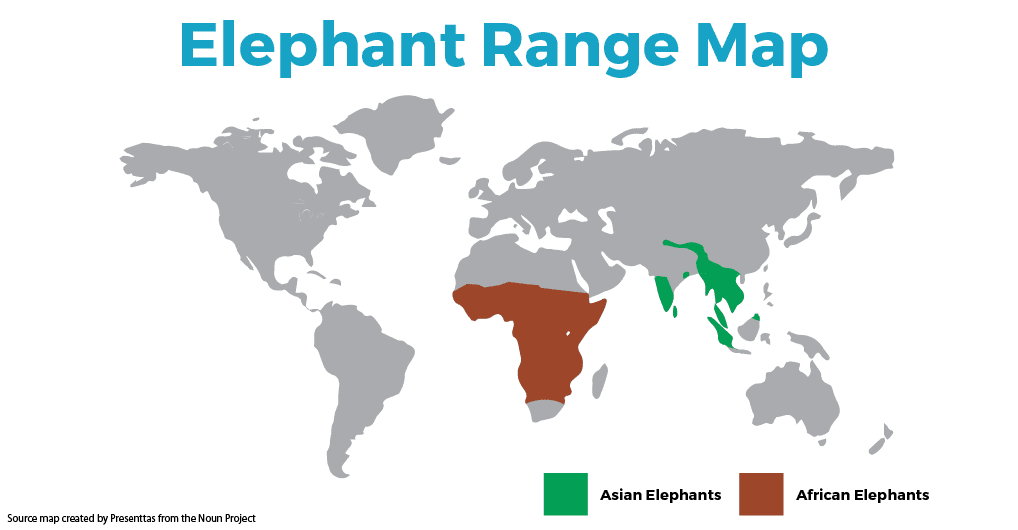
FAQ: Quick Answers About Elephant Habitats
Where do most elephants live?
Botswana has the single largest population, but India hosts the majority of Asian elephants.
Do elephants live in jungles or savannas?
Both! African savanna elephants prefer open plains, while forest and Asian elephants favor dense jungles.
Are elephants found only in Africa?
No—Asian elephants are native to 13 countries in Asia.
Why are elephants endangered?
Habitat fragmentation, poaching, and human conflict remain the biggest threats, despite conservation gains.
Elephants continue to inspire awe across their shrinking ranges. By supporting ethical tourism, protected areas, and community-led conservation—whether in Uganda’s parks or India’s forests—we can ensure these magnificent animals have a future.
If you’re planning a safari, consider destinations where your visit directly funds protection. The survival of elephants depends on the habitats we choose to preserve today.