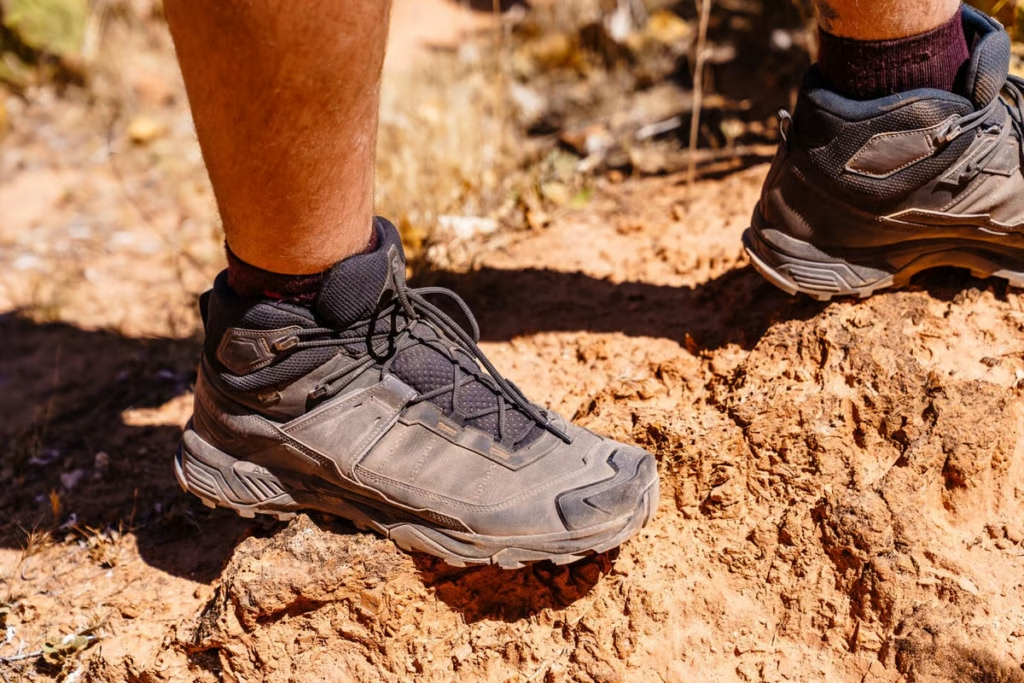
Best Shoes for Gorilla Trekking: Waterproof, Grip & Comfort Guide
Choosing the best shoes for gorilla trekking or reliable gorilla trekking boots makes the difference between an enjoyable day and a frustrating, injury-prone experience. Hikes last 2–6 hours or longer, depending on the gorilla group’s location.
Without the right boots, fatigue, blisters, slips, or twisted ankles can overshadow the magic of seeing these gentle giants up close.
Why Proper Shoes Matter for Gorilla Trekking
Why You Need the Right Best shoes for gorilla trekking:
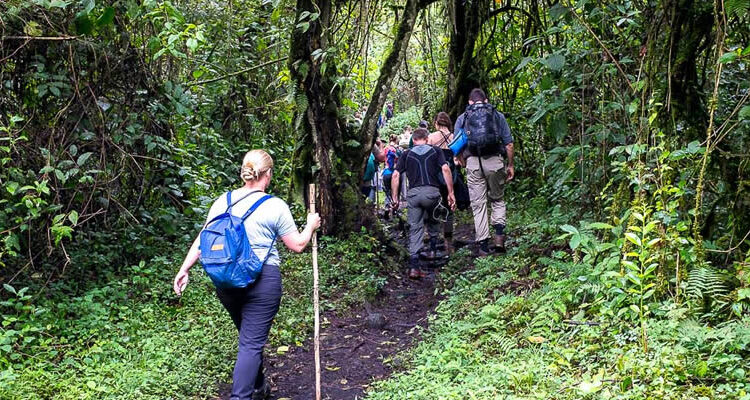
The Bwindi Impenetrable Forest features challenging conditions that test any footwear. Trails often become muddy after rain, with slippery leaves, hidden roots, and steep ascents or descents. Even in drier periods, the dense canopy keeps the ground damp, and sudden showers turn paths into slick challenges.
Treks involve 2–6+ hours of continuous movement over uneven, root-strewn terrain at elevations between 1,000–2,000 meters. Proper gorilla trekking boots provide stability, reduce injury risk (such as ankle sprains from twists on steep slopes), and prevent blisters that could ruin the experience.
Wet feet lead to discomfort and increased slippage, while poor grip heightens fall risks on muddy declines. Investing in quality hiking boots ensures you stay focused on the gorillas rather than your aching feet.
Many experienced trekkers and guides emphasize that sturdy, supportive footwear is non-negotiable for safety and enjoyment in this rugged environment.
What Makes the Best Gorilla Trekking Shoes?
Key Features to Look For in the Best Gorilla Trekking Shoes
The ideal best shoes for gorilla trekking combine several critical features tailored to rainforest conditions:
- Waterproof Material — Essential in the wet Bwindi forest. Gore-Tex or similar membranes keep feet dry during stream crossings, puddles, and rain. Waterproof boots prevent “wet sock syndrome,” which causes blisters and discomfort on long hikes. Even light rain or dew-soaked vegetation can soak non-waterproof shoes quickly.
- Strong Grip / Traction — Critical for slippery, muddy, and uneven terrain. Look for aggressive outsoles like Vibram or Contagrip with deep, multi-directional lugs. These bite into mud, shed debris, and provide secure footing on steep slopes or wet rocks, preventing slips that are common in gorilla habitats.
- Ankle Support — Mid- or high-cut boots offer crucial stability on steep, root-filled paths. They protect against twists and rolls, especially during descents or when navigating vines and uneven ground. Ankle support becomes vital for anyone carrying a daypack or trekking with porters.
- Comfort & Cushioning — Long trekking hours demand padding to absorb impact and reduce fatigue. Good cushioning, a supportive footbed, and a roomy toe box prevent hotspots and blisters. Breathability helps in humid conditions, though waterproofing takes priority.
- Durability — Forest conditions are harsh: sharp branches, rocks, mud, and constant abrasion. Quality materials like reinforced leather or tough synthetics, combined with strong stitching, ensure boots withstand multiple treks without falling apart.
These features turn challenging hikes into manageable adventures, letting you fully appreciate the dense foliage and gorilla encounters.
Types of Shoes for Gorilla Trekking: Hiking Boots vs. Hiking Shoes
Hiking Boots vs Hiking Shoes
Mid- or high-cut hiking boots stand out as the best option for gorilla trekking. They deliver superior ankle support, protection from debris, and stability on Bwindi’s steep, muddy terrain. Mid-cut designs balance weight and support without feeling overly bulky.
Trail running shoes or low-cut hiking shoes feel lighter and more agile but offer less ankle protection and stability on slippery slopes or when stepping over roots. They suit shorter, less technical hikes but fall short for full gorilla treks, where support prevents injuries over several hours.
Guides and repeat trekkers consistently recommend mid-cut waterproof boots for the best balance of protection and mobility in Uganda’s rainforests.
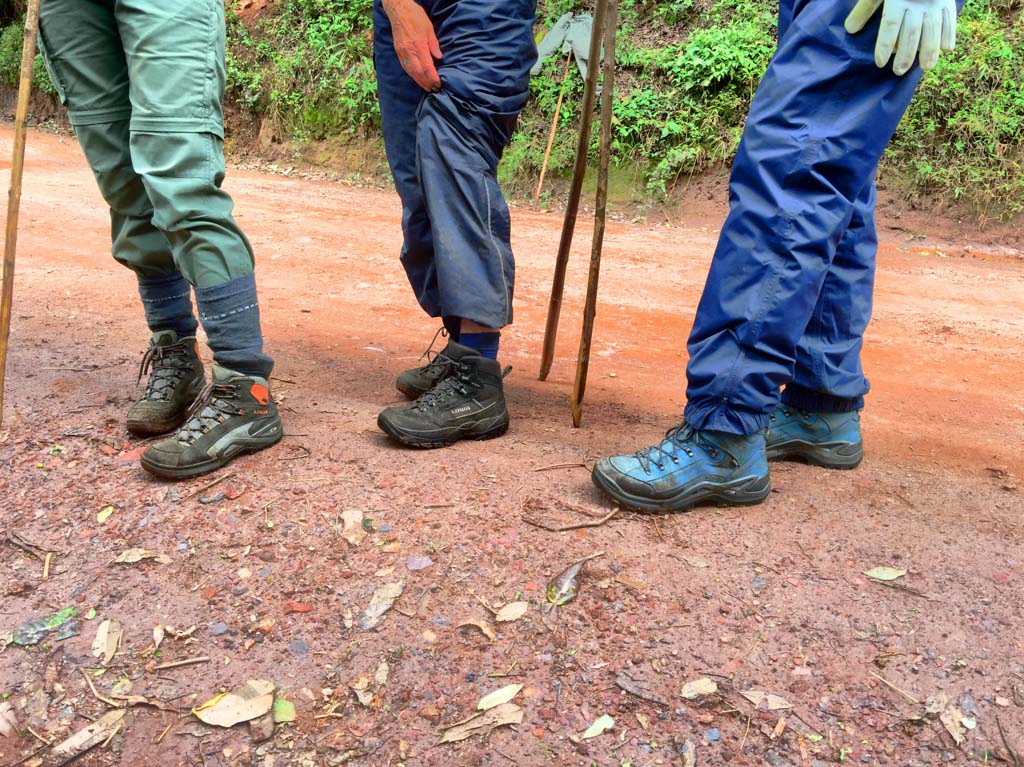
Best Shoes for Gorilla Trekking – Product Recommendations
Here are standout gorilla trekking boots that perform well in muddy, steep, wet conditions based on real-world testing and hiker feedback:
Best Overall: Salomon X Ultra Mid GTX (or similar X Ultra 5 Mid GTX)
This lightweight yet capable boot excels with excellent Gore-Tex waterproofing, aggressive Contagrip traction for mud and slippery slopes, and solid ankle support. It handles steep terrain, sheds mud effectively, and stays comfortable over long distances without excessive weight.
Reviewers praise its grip on wet, rooty paths—ideal for Bwindi’s forest floors. It’s a top choice for those wanting agility combined with protection.
Best Budget: Merrell Moab 3 Mid Waterproof
Affordable and reliable, the Moab 3 offers good waterproofing (via its membrane), Vibram traction for decent grip on mud and rocks, and out-of-the-box comfort with cushioned support.
It performs well on uneven trails and stream crossings, making it a practical pick for first-time trekkers on a budget. While not the most aggressive in deep mud, its value and durability make it a solid everyday option for Uganda hikes.
Best for Comfort: Hoka Anacapa Mid GTX
Hoka’s signature plush cushioning shines here, reducing fatigue on long treks. The Gore-Tex version keeps feet dry, while the supportive yet flexible design and sticky traction handle moderate technical terrain.
It feels more like a cushioned trail runner with ankle coverage—perfect for those prioritizing all-day comfort over maximal ruggedness. Great for Bwindi’s variable slopes where foot fatigue sets in.
Other strong contenders include models like Lowa Renegade GTX Mid or Salomon Quest variants, often praised for durability in East African conditions. Always try boots on and break them in before your trip.
Shoes to Avoid for Gorilla Trekking
What NOT to Wear:
Avoid sneakers, running shoes, sandals, or flat casual shoes. They lack waterproofing, grip, ankle support, and durability. On muddy, slippery Bwindi trails, these lead to slips, soaked feet, blisters, and potential injuries. Even “water-resistant” sneakers fail in prolonged wet conditions.
Rubber gumboots (wellies) sometimes work for very muddy sections but lack support for steep terrain—many trekkers prefer proper hiking boots.
Gorilla Trekking Conditions in Uganda
Terrain in Gorilla Trekking
Bwindi Impenetrable National Park and nearby Mgahinga Gorilla National Park feature dense rainforest with thick undergrowth, vines, roots, and frequent mud. Paths are rarely groomed; expect steep climbs, slippery declines, and wet vegetation year-round.
Rain can occur anytime, turning firm ground soggy. These conditions demand boots that handle abrasion, water, and uneven footing while protecting against nettles or ants.
Best Time & Shoe Choice: Dry vs Wet Season
Shoes for Dry vs Wet Season
Uganda has two main dry seasons (June–September and December–February), ideal for gorilla trekking with firmer, less slippery trails—though mud persists in shaded areas.
Waterproof boots remain essential. Wet seasons (March–May, October–November) bring more rain, making paths extremely muddy and challenging; high-quality Gore-Tex boots become non-negotiable, paired with gaiters for extra protection.
Regardless of season, prepare for variable weather—dry periods still feature damp forests.
Extra Gear to Combine with Your Trekking Boots
Gear to Use with Trekking Boots
Pair boots with:
- Gaiters — They block mud, debris, thorns, and safari ants from entering boots, keeping feet drier and cleaner. Highly recommended for Bwindi.
- Thick, moisture-wicking socks — Wear liner socks under thicker ones to prevent blisters and add cushioning.
- Gloves — Sturdy gardening-style gloves protect hands from nettles and vegetation when grabbing branches.
- Rain jacket and long pants for full protection.
Expert Tips for Gorilla Trekking Footwear
Real Safari Advice
- Break in boots thoroughly on similar terrain before your trip to avoid blisters.
- Wear long, thick socks and consider moisture-wicking liners.
- Carry an extra pair of socks in a dry bag.
- If boots get wet, dry them thoroughly at the lodge.
- Hire a porter if needed—they can carry extra gear while you focus on footing.
- Test boots on wet, muddy local trails if possible.
Local guides often wear or recommend rubber boots for extreme mud, but most international trekkers succeed with quality waterproof hiking boots.
Gorilla Trekking Destinations
Where You’ll Use These Shoes
These boots shine in Bwindi Impenetrable National Park (home to over half the world’s mountain gorillas) and Mgahinga Gorilla National Park. Similar conditions apply in Rwanda’s Volcanoes National Park or DRC’s Virunga, but Uganda offers excellent accessibility and experienced operators.
Book a Gorilla Trekking Safari in Uganda
Gorilla Nests Safaris specializes in unforgettable gorilla trekking tours and comprehensive Uganda safari packages. We handle permits, knowledgeable guides, comfortable lodges near Bwindi or Mgahinga, and logistics so you focus on the adventure.
Our tailored itineraries combine gorilla encounters with wildlife safaris, ensuring a safe, seamless experience. Contact us to plan your 2026 trip—whether a short gorilla trek or multi-day safari exploring Uganda’s highlights.
FAQs About Best Shoes for Gorilla Trekking
What shoes are best for gorilla trekking?
Mid-cut waterproof hiking boots with strong traction and ankle support, such as Salomon X Ultra Mid GTX, Merrell Moab 3 Mid, or Hoka Anacapa Mid GTX.
Do I need waterproof boots?
Yes—rain and mud are common. Gore-Tex or equivalent membranes keep feet dry and comfortable.
Can I trek with sneakers?
Not recommended. They lack grip, support, and waterproofing, increasing slip and injury risks.
How difficult is gorilla trekking?
Physically demanding due to steep, muddy terrain, but fitness levels vary by group location. Proper boots and a positive mindset help greatly.
What should I wear for gorilla trekking?
Long-sleeved shirts, long pants, waterproof boots, gaiters, rain jacket, gloves, and a hat. Opt for earth tones and quick-dry fabrics.
Choosing the right shoes proves essential for a successful gorilla trekking experience in Bwindi Impenetrable National Park. With waterproof, high-grip hiking boots, you can comfortably navigate the forest terrain and fully enjoy the unforgettable encounter with mountain gorillas.
For the best experience, book a guided safari in Uganda to ensure a safe, well-organized adventure with us. Safe travels!