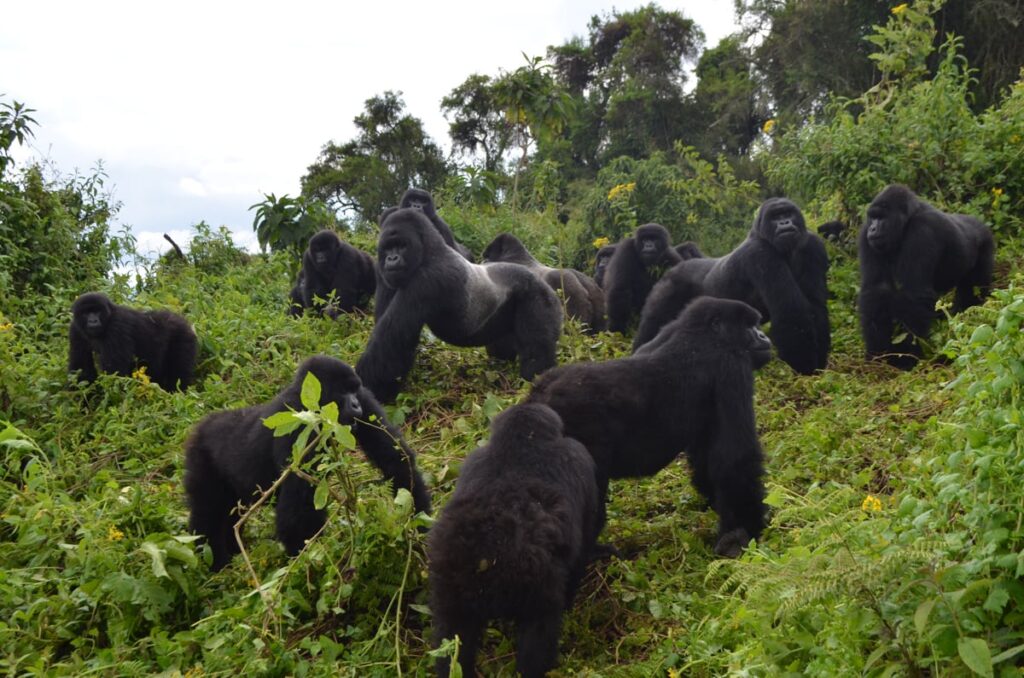
What Is Special About a Mountain Gorilla’s Nose?
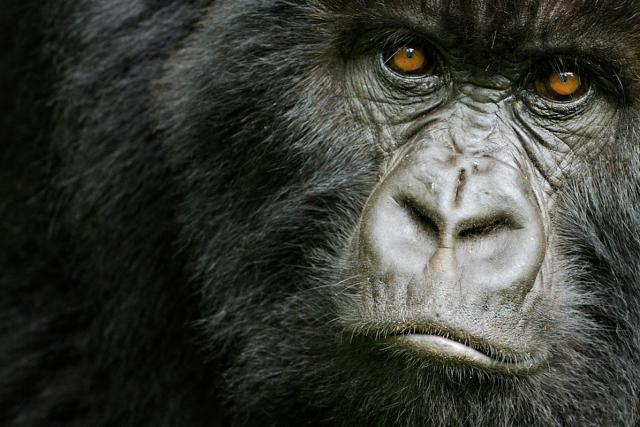
What Is Special About a Mountain Gorilla’s Nose: The most special aspect of a mountain gorilla nose is its uniqueness—each gorilla possesses an individual gorilla nose print formed by the intricate patterns of wrinkles and ridges on the bridge of the nose and surrounding the nostrils.
Unlike many animals where identification relies on size, scars, or fur patterns, the mountain gorilla nose provides a reliable, lifelong marker.
No two gorillas have identical nose prints, making this one of the unique features of mountain gorillas.
Scientists compare these patterns to human fingerprints: the combination of shapes, depths of wrinkles, nostril positioning, and overall layout is exclusive to each individual. This allows precise identification even from a distance or in photographs.
Researchers rely heavily on gorilla nose prints because mountain gorillas live in dense vegetation where full-body views are rare.
The nose remains visible when the animal faces forward, which happens often during feeding or resting. Pioneered in the 1950s by George Schaller and refined by Dian Fossey, this method has become standard.
Today, organizations maintain extensive databases with photos and drawings of nose prints to monitor life histories, family dynamics, births, deaths, and migrations.
In key habitats like Bwindi Impenetrable National Park and Volcanoes National Park, rangers and field staff use these prints daily.
The patterns are most pronounced in mountain gorillas compared to other subspecies, making them ideal for this technique.
What Is a Gorilla Nose Print?
A gorilla nose print refers to the unique pattern of dermal ridges, wrinkles, and grooves on a gorilla’s nose, particularly the bridge above the nostrils and the areas flanking the gorilla nostrils. These features include:
- Irregular wrinkles and folds that vary in depth, length, and direction.
- The shape, size, and spacing of the large, flared nostrils.
- Overall symmetry or asymmetry in the layout.
These elements combine into a one-of-a-kind design, much like whorls and loops in human fingerprints. Researchers document them through close-up photography or hand-drawn sketches, creating visual keys for quick matching.
This method is especially effective in mountain gorilla habitats such as Bwindi Impenetrable National Park in Uganda and Volcanoes National Park in Rwanda, where habituated groups are monitored closely.
Why Gorilla Nose Prints Are Important
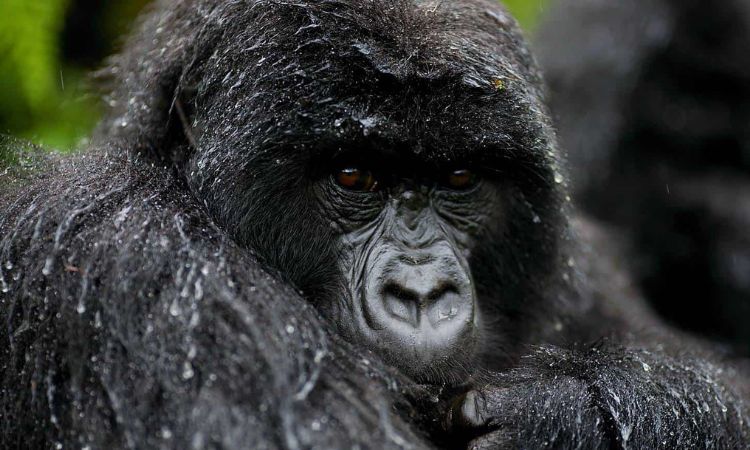
Gorilla nose prints play a crucial role in conservation and research. They enable:
- Identifying individual gorillas accurately over long periods.
- Tracking gorilla families and social structures, including transfers between groups.
- Conservation monitoring of population health, reproduction, and threats.
In tourism, guides use nose prints to identify gorillas during treks, sharing stories about specific animals like famous silverback gorilla or infants. This personalizes the experience and educates visitors on conservation.
Without this tool, studying elusive wild gorillas would be far more challenging.
Mountain Gorilla Nose vs Monkey Nose
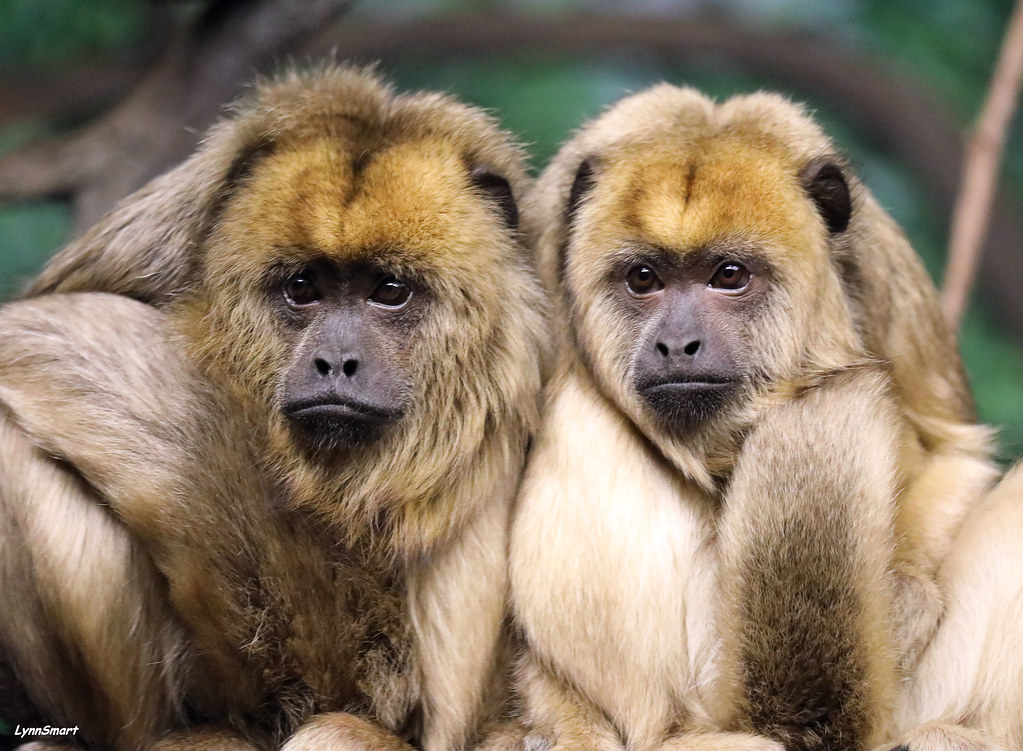
Mountain gorillas have broad, flat noses with wide nostrils and unique wrinkle patterns (nose prints) around them, used like fingerprints for individual identification.
Monkeys (Old World or New World) feature narrower or sideways/downward-facing nostrils without unique wrinkle patterns for ID; noses vary widely but lack the distinctive ridges seen in gorillas.
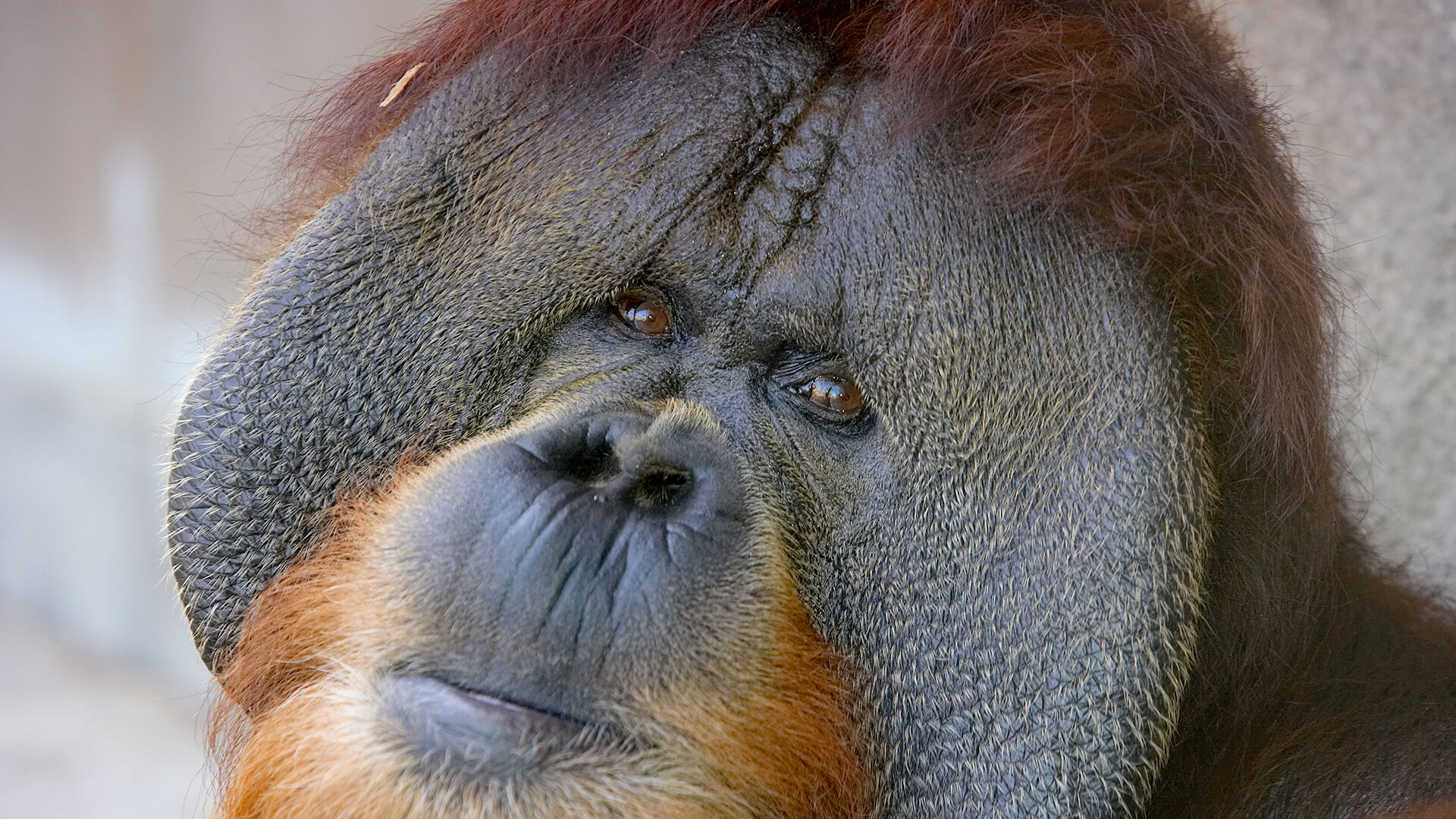
Mountain Gorilla Nose vs Orangutan Nose
Mountain gorillas possess broad, flat noses with prominent nostrils and distinctive wrinkle patterns above them for unique identification. Orangutans have small, flat noses with close-set nostrils, minimal wrinkles, and a more recessed, less pronounced structure suited to their arboreal life.
How Scientists Identify Gorillas Using the Nose
Scientists and rangers identify gorillas primarily through mountain gorilla nose patterns. Field researchers observe animals directly or review photos, comparing wrinkles and nostrils to known records.
Photography is essential—high-resolution images capture details. Long-term studies build databases where new individuals are added by matching prints.
The Dian Fossey Gorilla Fund pioneered and continues this work, identifying every monitored mountain gorilla via nose prints.
Rangers in Virunga National Park use drawings and photos to catalog individuals. This non-invasive approach avoids stressing animals.
Differences Between Gorilla Nose and Human Nose
While both serve identification purposes, key differences exist:
- Humans rely on fingerprints (patterns on fingertips from dermal ridges).
- Gorillas use nose prints (wrinkles and nostril shapes on the face).
Gorilla noses are broader, flatter, and more prominent, adapted for their herbivorous diet and powerful build. Human noses are narrower with less pronounced ridges.
Gorilla nostrils are larger and more flared, aiding breathing in high altitudes. Both are unique lifelong traits, but the gorilla’s is facial and visible frontally.
How Tourists Can Notice Gorilla Nose Prints
During gorilla trekking safaris in Bwindi Impenetrable National Park or Volcanoes National Park, experienced guides point out individual gorillas by their gorilla nose prints. Tourists can observe patterns up close (from safe distances) or in photos taken during encounters.
Each gorilla becomes recognizable—perhaps a silverback with deep wrinkles or a female with distinctive nostril spacing. This adds depth to the adventure, turning sightings into personal connections.
For more on gorilla trekking experiences, check our guide to gorilla trekking (/gorilla-trekking).
Fun Facts About Gorilla Noses
- Gorilla noses change slightly with age (wrinkles may deepen), but the core pattern remains unique for life.
- Even baby gorillas have identifiable nose prints from birth.
- Mountain gorillas have the most distinct nose prints among gorilla subspecies.
- Rangers can memorize dozens of nose prints, recognizing individuals instantly.
Conservation Connection
Mountain gorilla nose identification directly aids protection. It helps monitor populations, detect poaching threats, track health issues, and assess behavior changes from habitat pressures.
Accurate data supports anti-poaching patrols, community education, and policy. By knowing individuals, conservationists ensure targeted interventions for endangered gorillas.
Can You Identify a Gorilla by Its Nose?
Yes! With practice and reference photos, many can spot differences in gorilla nose prints. Look at nostril shape, wrinkle patterns, and bridge details. Guides and researchers do this routinely. Try matching prints in conservation activities—it’s a fun way to engage with gorilla science.
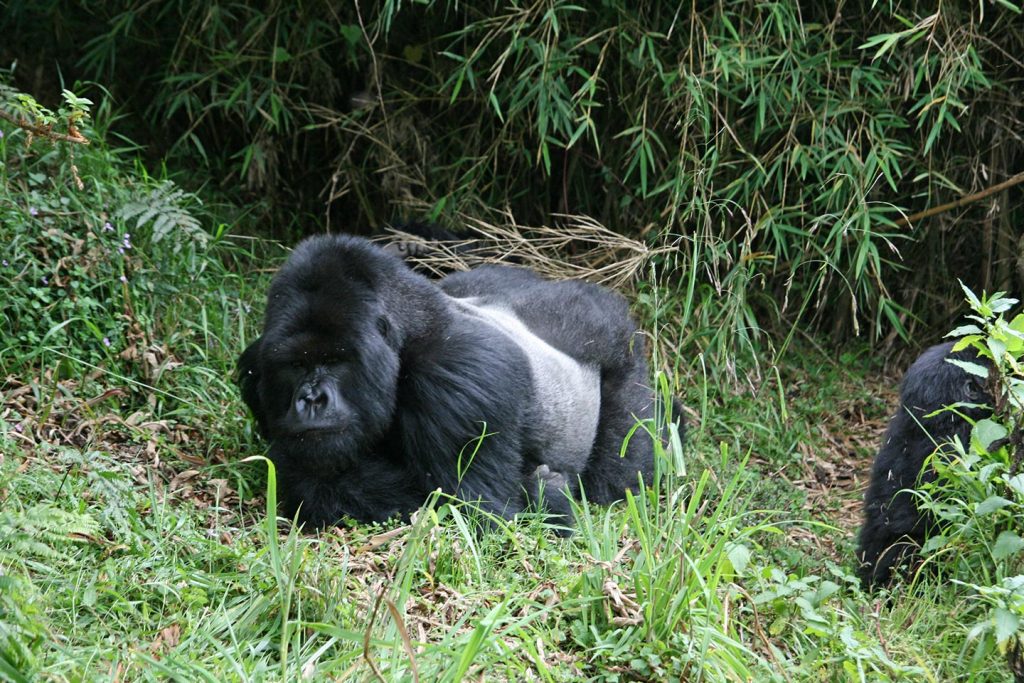
FAQ about a Mountain Gorilla Nose
Do all gorillas have unique nose prints?
Yes, every mountain gorilla has a unique nose print, with no two the same.
How do scientists identify gorillas?
Primarily by comparing nose print photos or drawings to databases, supplemented by other features.
Can gorilla nose prints change over time?
Slight changes occur with age or injury, but the fundamental pattern stays unique and recognizable.
Why are gorilla noses flat?
Their broad, flat noses suit their diet, breathing needs, and facial structure for powerful jaws.
How do guides recognize gorillas during trekking?
Guides memorize nose prints, along with size, scars, and behavior, to identify individuals quickly.