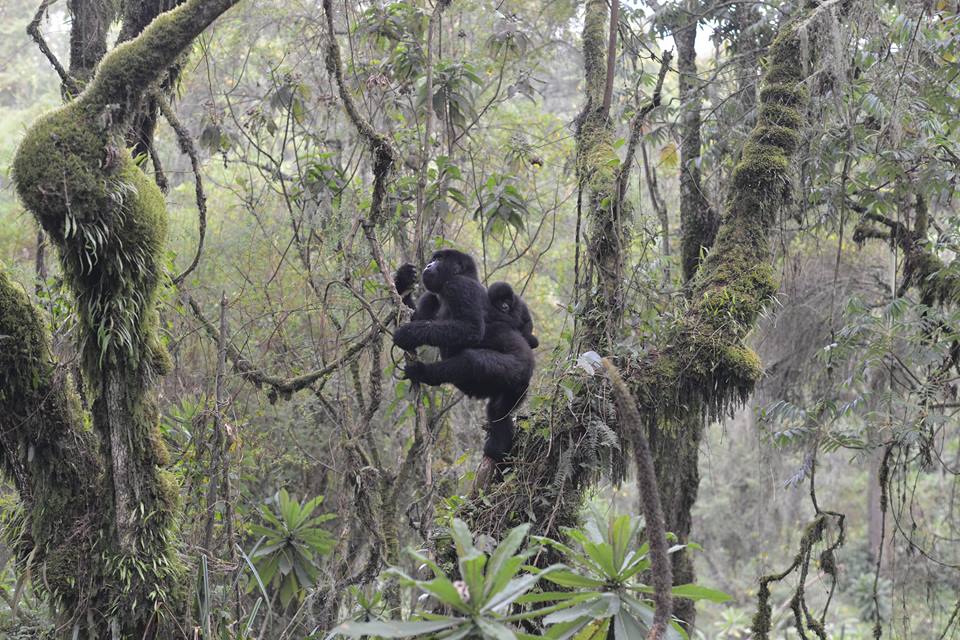
Uganda vs Rwanda Gorilla Trekking: Which Is Better in 2026?
Uganda vs Rwanda Gorilla Trekking: Gorilla trekking in both Uganda and Rwanda offers incredible experiences, but the best choice depends on your budget, travel style, and expectations.
Uganda delivers a more affordable, adventurous, and immersive jungle encounter with greater flexibility, while Rwanda provides easier access, often shorter treks, and a more polished, luxury-oriented experience close to its capital.
For many travelers seeking value and raw wilderness, Uganda edges out as the stronger overall choice in 2026, especially when combining gorilla trekking with other wildlife adventures. Rwanda shines for those prioritizing convenience and comfort on a shorter itinerary.
Quick Comparison Table
|
Feature |
Uganda |
Rwanda |
|
Permit cost |
Lower (~$800) |
Higher (~$1,500) |
|
Trek difficulty |
Moderate–challenging (dense forest, steeper terrain) |
Easier (shorter, more open paths) |
|
Accessibility |
Longer travel (8–10 hours from Kampala/Entebbe) |
Close to city (2–3 hours from Kigali) |
|
Experience |
More adventurous, raw wild feel |
More luxury, scenic volcanoes |
This table highlights why many compare Uganda vs Rwanda gorilla trekking when planning their 2026 safari.
Gorilla Trekking Locations
Uganda hosts mountain gorillas in two protected areas:
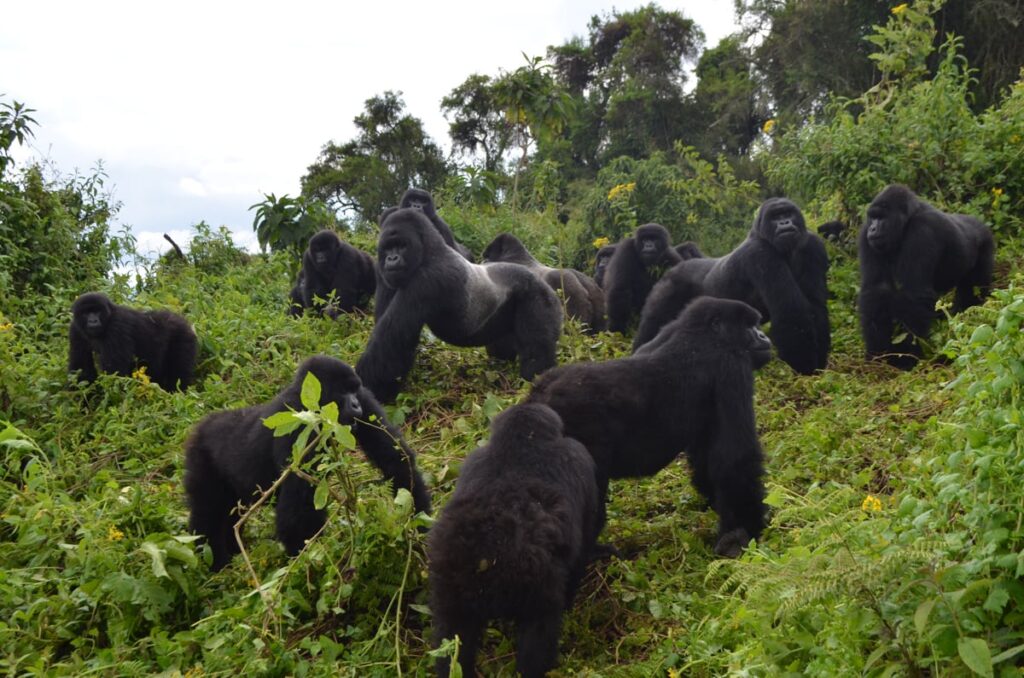
- Bwindi Impenetrable National Park: The flagship destination, a UNESCO World Heritage Site covering 321 sq km of dense tropical rainforest. It supports over 400 mountain gorillas, with around 19–24 habituated families available for trekking across four sectors (Buhoma, Ruhija, Rushaga, and Nkuringo). The park’s “impenetrable” name reflects its thick vegetation, offering a true wilderness adventure.
- Mgahinga Gorilla National Park: Smaller and located in the Virunga Mountains, it features one habituated gorilla family (Nyakagyezi) amid dramatic volcanic landscapes. It’s ideal for those seeking a quieter, more intimate experience combined with golden monkey trekking or volcano hikes.
Rwanda’s gorillas are found exclusively in Volcanoes National Park, part of the Virunga massif shared with Uganda and the DRC. This park spans the slopes of five volcanoes and is home to about 10–12 habituated gorilla families (roughly 380 gorillas in the Rwandan sector). The terrain mixes bamboo forests, open meadows, and steep volcanic slopes, creating scenic but often more accessible trekking routes.
Uganda offers more gorilla families and trekking sectors, providing greater flexibility in booking and varied experiences.
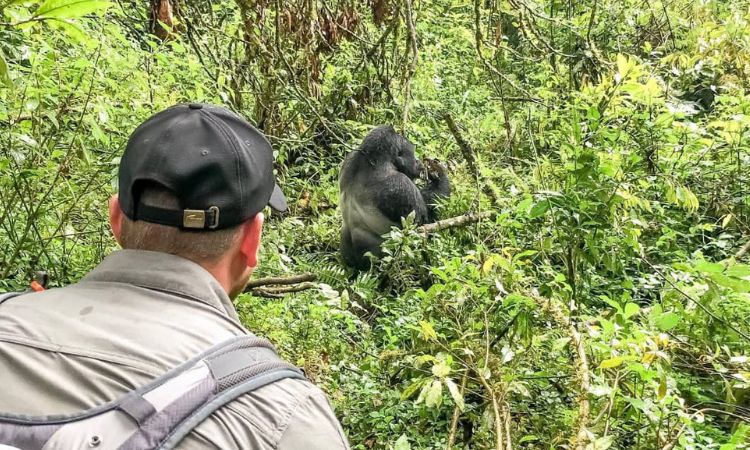
Uganda vs Rwanda Gorilla Trekking Cost Comparison
Permit prices remain one of the biggest differentiators in Uganda vs Rwanda gorilla trekking:
- Uganda: Standard gorilla trekking permit costs $800 per person for foreign non-residents (July 2024–June 2026/2028 period). Foreign residents pay $700, other African citizens $500, and East African citizens around UGX 300,000 (~$80). Gorilla habituation permits (4 hours with the gorillas instead of 1) cost $1,500. Low-season discounts occasionally apply.
- Rwanda: Standard permit is $1,500 per person for foreign non-residents. Discounts exist for multi-park visits (down to $1,050 in some cases), foreign residents ($500), and East African citizens (~$200). No habituation option like Uganda’s.
The permit covers park entry, ranger guides, trackers, and one hour with the gorillas (rules mandate a 7-meter distance and limit groups to 8 people per family).
Rwanda’s higher fee supports its premium positioning and conservation, but Uganda’s lower cost makes it far more budget-friendly—often saving $700+ per person before flights, lodging, or transfers.
Overall safari packages reflect this: Uganda gorilla add-ons fit comfortably into mid-range trips, while Rwanda pushes costs higher due to permits and upscale lodges. For 2026, Uganda remains the value leader for most international travelers.
Uganda vs Rwanda Gorilla Trekking Difficulty
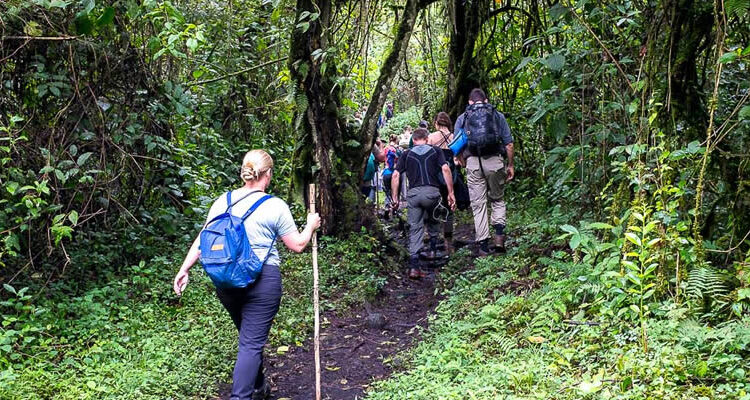
Uganda’s dense rainforest in Bwindi features steep, muddy trails, thick undergrowth, and variable trek lengths (2–7+ hours round-trip depending on the gorilla family’s location).
The raw, adventurous feel rewards fit travelers who enjoy pushing through jungle. Mgahinga adds volcanic slopes for extra challenge.
Rwanda offers comparatively easier hikes in Volcanoes National Park. Bamboo zones and more worn paths often mean shorter average treks, though steep volcanic sections and high altitude (up to 3,000m+) can still test fitness. Many describe Rwanda’s experience as more predictable and less physically demanding overall.
Both require moderate fitness; pre-trek briefings cover safety, and porters are available for a fee. Uganda suits those craving immersion and challenge, while Rwanda appeals to a broader range of ages and fitness levels.
Accessibility
Rwanda holds a clear advantage here. Volcanoes National Park lies just 2–3 hours by good road from Kigali International Airport. You can fly in, transfer, trek the next day, and depart quickly—perfect for short 4–6 day trips.
Uganda requires more effort. Bwindi and Mgahinga sit in the southwest, an 8–10 hour drive from Kampala or Entebbe International Airport over varied roads.
Domestic flights to nearby airstrips (e.g., Kihihi or Kisoro) shorten this significantly, or some travelers fly into Kigali and cross the border (4–5 hours to Bwindi). The journey adds adventure but demands better planning.
Experience & Scenery
Uganda provides a thick jungle, raw, wild feel—think dripping vines, diverse birdlife, and the sense of true exploration in Bwindi’s ancient forest. Scenery varies by sector: misty hills, waterfalls, and dense canopy create memorable, immersive moments. Combining with chimps, tree-climbing lions in Ishasha, or other parks enhances the safari.
Rwanda delivers open bamboo forest and scenic volcanoes with dramatic backdrops of Karisimbi, Bisoke, and others. Views are often more panoramic, and the terrain can feel less claustrophobic. The experience leans polished and exclusive, with excellent photography opportunities in clearer settings.
Both guarantee emotional encounters: gorillas munching, playing, or calmly observing visitors. Uganda feels more untamed; Rwanda more majestic and accessible.
Accommodation Options
Uganda offers a wide spectrum—from budget-friendly lodges and community guesthouses to comfortable mid-range and select luxury properties (e.g., near Buhoma or Ruhija). You can tailor stays to your budget while enjoying forest-edge locations.
Rwanda focuses on mid-range to luxury, with iconic high-end lodges like Bisate, Virunga, or Sabyinyo Silverback providing volcano views, gourmet dining, and spa-like comfort. Options skew upscale, which complements the higher permit cost but limits budget choices.
Best for Different Travelers
Choose Uganda if:
- You want affordability and better value.
- You love adventure and don’t mind longer travel or denser terrain.
- You plan a multi-park safari (gorillas + chimps, game drives, etc.).
- Flexibility with more families and habituation options matters.
Choose Rwanda if:
- You prioritize comfort, shorter transfers, and easier logistics.
- Luxury lodges and a polished experience are key.
- Time is limited (quick in-and-out gorilla focus).
- You prefer scenic volcanic landscapes over deep jungle.
Many combine both countries for the ultimate experience, but standalone, Uganda often wins for balanced adventure and cost.
Best Time to Visit
The dry seasons are ideal for both:
- June–September (long dry season): Best overall for comfortable trekking, fewer mud issues, and reliable sightings. Peak crowds in July–August.
- December–February (short dry season): Good alternative with greener landscapes and lighter rains.
Rainy seasons (March–May, October–November) bring lush scenery and fewer visitors but muddier trails and potential permit discounts in Uganda. Gorillas are viewable year-round, but dry months minimize discomfort.
Gorilla Families & Experience Differences
Uganda boasts more habituated families (19+ in Bwindi alone vs. 10–12 in Rwanda), increasing booking availability and allowing sector-specific choices. The habituation experience ($1,500) lets you spend 4 hours observing behaviors up close—unique to Uganda.
Rwanda’s fewer groups create a more exclusive feel, with highly habituated families often located closer to trails. Tracking can feel more straightforward due to terrain, but permits sell out quickly in peak season.
Experiences differ subtly: Uganda’s dense forest heightens the “discovery” thrill, while Rwanda’s open vistas aid observation and photography. Both enforce strict rules (no flash, masks sometimes required, health checks) to protect the critically endangered gorillas (global population ~1,000+).
FAQs – Uganda vs Rwanda Gorilla Trekking
Is Uganda or Rwanda better for gorilla trekking?
It depends. Uganda is often better for budget, adventure, and combining with broader safaris. Rwanda excels in convenience and luxury. For most in 2026, Uganda provides superior value.
Why is Rwanda more expensive?
Primarily the $1,500 permit vs. Uganda’s $800, plus positioning as a premium destination with higher-end infrastructure and lower daily tourist numbers per family.
Is gorilla trekking safe?
Yes—both countries maintain excellent security in protected parks with rangers, trackers, and sometimes military presence. Gorillas are gentle when rules are followed (distance, no sudden movements). Uganda and Rwanda are stable for tourism; standard precautions apply in cities.
Which country has more gorillas?
Uganda hosts roughly half the world’s mountain gorillas, with Bwindi holding the largest single population. Rwanda’s sector is significant but smaller.
Additional common questions cover fitness requirements, what to pack (rain gear, sturdy boots, binoculars), and photography tips.
Why Book With Us
We offer expertly guided gorilla trekking safaris in Uganda, combining affordability, adventure, and unforgettable wildlife encounters. Our experienced teams handle permits, logistics, and personalized itineraries—whether focusing on Bwindi or adding chimps and savanna game drives.
Conclusion
While both destinations offer incredible encounters with mountain gorillas, Uganda stands out for its affordability, diverse trekking options, and immersive jungle experience.
Rwanda provides undeniable convenience and scenic luxury, but the higher costs and shorter overall safari potential make it less versatile for many.
For travelers seeking a more adventurous and budget-friendly safari, Uganda is often the better choice—especially when combined with other wildlife experiences like chimpanzee trekking or classic game viewing. In 2026, the value, flexibility, and raw beauty of Uganda gorilla trekking deliver memories that last a lifetime.
Ready to meet the gentle giants? Contact us today to book your Uganda gorilla trekking safari. We’ll craft the perfect itinerary tailored to your dreams—affordable, adventurous, and unforgettable. Visit gorillas with us and experience East Africa’s wild heart at its best.