Tarangire Wildlife Guide: Animals, Best Time to Visit & Safari Tips
Tarangire Wildlife Guide: Nestled in the northern region of Tanzania, Tarangire National Park stands as a hidden gem among the country’s renowned safari destinations.
Spanning approximately 2,850 square kilometers, this park is famous for its massive elephant herds, ancient baobab trees that dot the landscape like sentinels, and a vibrant seasonal wildlife migration that rivals more famous spectacles.
Visitors flock here to witness the raw beauty of wildlife in Tarangire Tanzania, where the dry savannah comes alive with animals seeking refuge along the life-giving Tarangire River. Whether you’re a first-time safari-goer or a seasoned adventurer, Tarangire offers an intimate encounter with nature, showcasing iconic species like the African elephant alongside rarer finds.
This Tarangire wildlife guide will delve into the park’s ecosystem, the diverse Tarangire National Park animals, optimal visiting times, and essential safari tips to make your trip unforgettable.
Tarangire’s allure lies in its ability to provide year-round wildlife viewing, but it’s particularly celebrated during the dry season when thousands of animals converge on the riverbanks.
From majestic elephants bathing in the mud to stealthy predators lurking in the acacia woodlands, the park encapsulates the essence of an authentic Tanzanian safari.
Located just a few hours’ drive from Arusha, the safari gateway city, Tarangire is easily accessible yet feels worlds away from civilization, offering a perfect blend of adventure and serenity.
Overview of Tarangire’s Ecosystem
Tarangire National Park boasts a diverse savannah landscape that transitions from open grasslands to dense acacia woodlands and scattered rocky outcrops. At the heart of this ecosystem is the Tarangire River, a perennial water source that sustains life even during the harshest dry spells.
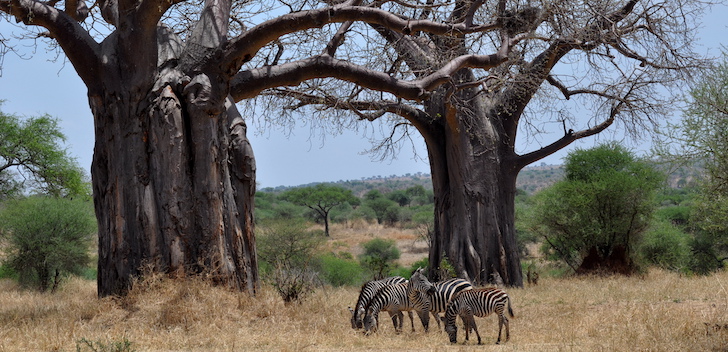
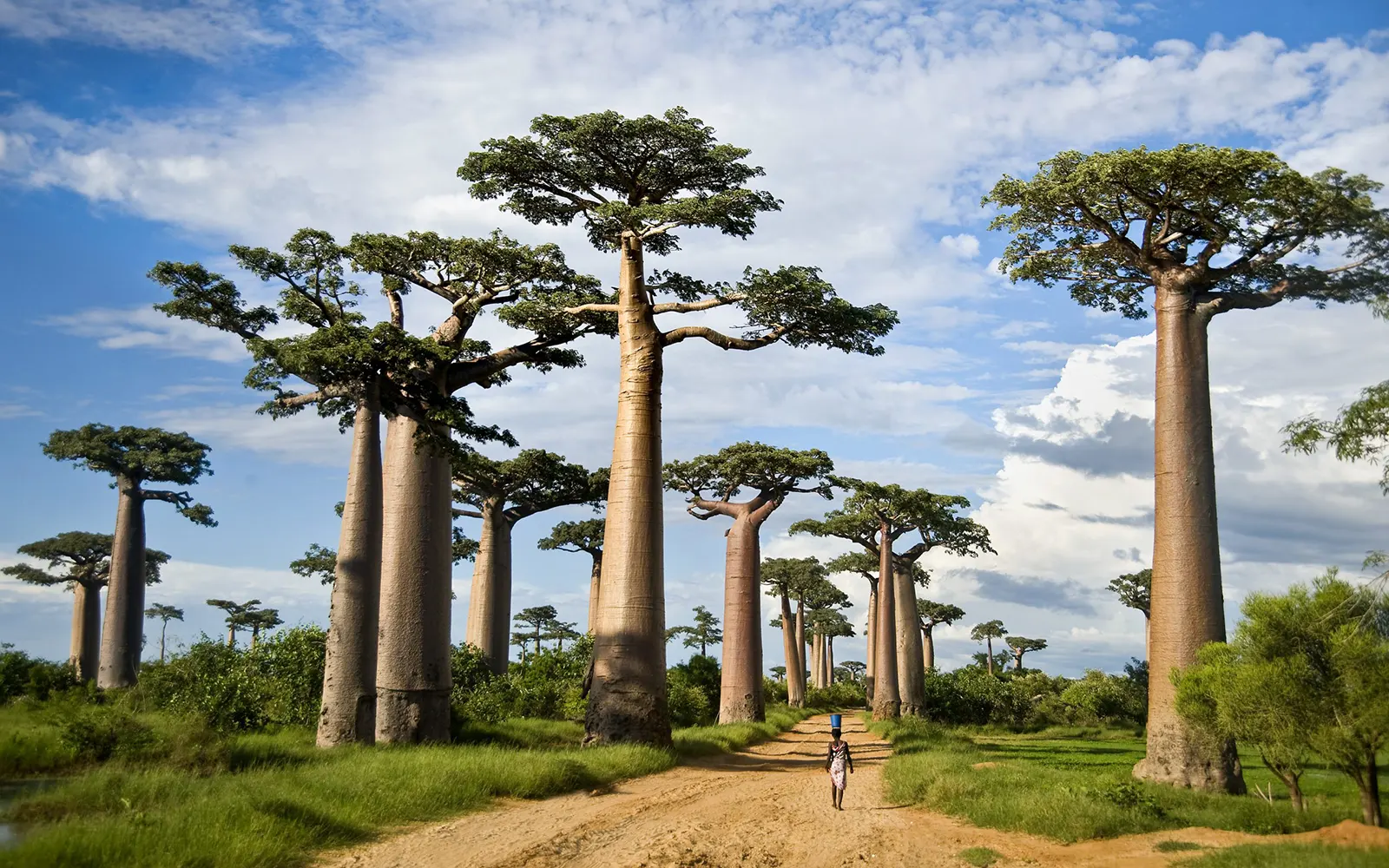
This river ecosystem acts as a magnet for wildlife, drawing in herds from surrounding areas when water becomes scarce elsewhere. The park’s terrain is characterized by rolling hills, swamps, and the iconic baobab trees—ancient giants that can live for thousands of years and provide shade, food, and nesting sites for various species.
The seasonal migration of animals is a defining feature of Tarangire’s ecology. During the dry season (June to October), the surrounding Tarangire Ecosystem—encompassing areas beyond the park boundaries—dries up, forcing wildlife to migrate inward toward the river.
This creates spectacular concentrations of animals, making Tarangire one of the best wildlife parks in Tanzania for density and diversity. In contrast, the wet season (November to May) transforms the landscape into a lush paradise, with blooming wildflowers and abundant vegetation supporting newborn animals and migratory birds.
The interplay between the river and the savannah ensures a balanced habitat where predators and prey coexist. Swamps like Silale provide additional water sources, while the baobabs offer unique microhabitats.
This dynamic environment not only supports a rich biodiversity but also educates visitors on the fragility of African ecosystems, emphasizing conservation efforts to protect against poaching and habitat loss.
Animals Found in Tarangire
Tarangire National Park is a haven for wildlife enthusiasts, hosting an impressive array of Tarangire National Park animals. From the “Big Five” contenders to smaller herbivores, the park’s fauna is both abundant and accessible.
Elephants
Tarangire is synonymous with elephants, boasting one of Tanzania’s largest populations of African elephants. These gentle giants, known scientifically as Loxodonta africana, roam in herds that can number up to 300 individuals, especially during the dry season.
Their herd behavior is fascinating—matriarch-led groups protect calves while foraging for acacia pods and baobab fruits. Elephants use their trunks not just for feeding but also for social interactions, like greeting or comforting one another.
The best places to see them are along the Tarangire River, where they gather to drink, bathe, and wallow in mud to cool off and protect their skin from parasites.
Observing a herd crossing the river at sunset is a highlight of any safari, showcasing their intelligence and family bonds. Conservation efforts have helped stabilize their numbers, but threats like ivory poaching remain a concern.
Lions
The African lion, Panthera leo, reigns as the king of Tarangire’s predators. These majestic cats are often spotted in prides lounging under acacia trees or patrolling the grasslands. Tarangire’s lions are known for their tree-climbing behavior, a rare trait that helps them escape heat and survey prey from above.
Lions are usually seen near water sources like the river, where they ambush thirsty herbivores. Their hunting behavior is cooperative; females work in teams to stalk and take down prey such as zebras or wildebeests, while males defend the territory. Dawn and dusk game drives offer the best chances to witness a hunt, providing thrilling insights into their social dynamics.
Leopards
Elusive and solitary, the African leopard (Panthera pardus) adds an element of mystery to Tarangire wildlife. These adaptable cats are shy by nature and often spotted resting in the branches of sausage trees or acacias, away from competitors like lions.
Leopards are versatile hunters, preying on impalas, birds, and even small monkeys. Their spotted coats provide excellent camouflage in the dappled light of the woodlands. Patience is key for sightings—scan tree limbs during early morning drives for a glimpse of these graceful predators.
Other Common Animals
Beyond the big cats and elephants, Tarangire teems with common herbivores that form the backbone of the food chain. Zebras and wildebeests migrate in large numbers, creating striped spectacles across the plains. Cape buffalo, with their formidable horns, graze in herds, often near swamps for protection.
The Masai giraffe, distinguished by its irregular star-shaped spots, towers over the landscape, browsing on acacia leaves with its long neck. Impalas, graceful antelopes, dart through the underbrush, alert to predators. These animals contribute to the park’s vibrant ecosystem, offering endless photo opportunities.
Rare and Unique Animals
What sets Tarangire apart from other parks is its population of rare species seldom seen elsewhere in Tanzania. The fringe-eared oryx, with its long, straight horns, thrives in the dry grasslands, adapting to arid conditions by obtaining moisture from plants.
The lesser kudu, a shy antelope with spiral horns, hides in thickets, while the gerenuk—known as the “giraffe gazelle”—stands on hind legs to feed on high foliage. These unique animals enhance Tarangire’s appeal for seasoned wildlife watchers seeking something beyond the ordinary.
Birdlife in Tarangire
Birdwatchers will delight in Tarangire’s avian diversity, with over 500 species recorded. The park is a paradise for both resident and migratory birds. Ostriches, the world’s largest birds, strut across the savannah, while the hefty Kori bustard performs elaborate courtship displays.
Hornbills chatter from treetops, and eagles like the martial and bateleur soar overhead, scanning for prey. During the wet season, colorful migrants such as European rollers add vibrancy. The Silale Swamp is a hotspot for waterbirds, making Tarangire a top destination for ornithology.
Best Time to See Wildlife
Timing your visit to Tarangire is crucial for optimal experiences. The dry season (June to October) is prime for wildlife viewing, as animals congregate near the Tarangire River due to scarce water elsewhere.
Expect clear skies, comfortable temperatures (around 25-30°C), and high animal densities, including massive elephant herds and predator action.
Conversely, the wet season (November to May) offers lush scenery, fewer crowds, and excellent birdwatching. Rains can make roads muddy, but the landscape bursts with life, including newborn animals. For a balanced trip, consider shoulder months like June or November.
Tarangire Wildlife Migration
Unlike the Serengeti’s famous migration, Tarangire’s is more localized but equally captivating. In the dry season, thousands of zebras, wildebeests, and elephants move from the outer Tarangire Ecosystem into the park, drawn by the river. This seasonal movement creates dramatic scenes of herds crossing plains and gathering at waterholes.
The migration peaks from July to September, with animals dispersing during the rains. This cycle highlights the park’s role in a larger conservation area, supporting biodiversity across northern Tanzania.
Best Places in Tarangire to See Wildlife
Strategic locations within the park maximize sightings. The Tarangire River is the epicenter, where elephants and predators converge. Silale Swamp in the south offers birdwatching and buffalo herds. The Lemiyon Triangle in the north is ideal for lions and rare antelopes, with its mix of woodlands and open areas.
For a broader view, explore the Matete Woodlands for leopards or the Gursi Swamp for diverse herbivores. These spots cater to different interests, ensuring varied experiences.
Safari Activities in Tarangire
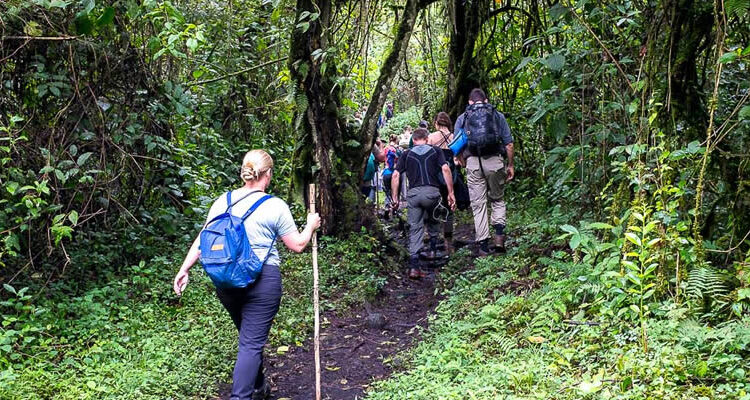
Tarangire offers a range of safari activities beyond traditional game drives. Guided walking safaris allow intimate encounters with the bush, tracking animals on foot with expert rangers. Birdwatching tours focus on the park’s feathered residents, while photography safaris provide tips for capturing stunning shots.
Night drives reveal nocturnal creatures like genets and bush babies. For luxury, hot-air balloon rides offer aerial views of the migration. These activities immerse visitors in Tarangire’s wild heart.
Photography Tips
Capturing Tarangire’s wildlife requires preparation. The golden hours—dawn and dusk—provide the best lighting, with soft hues enhancing elephant silhouettes against baobabs. Use telephoto lenses (300mm+) for distant shots and wide-angle for landscapes.
Position near waterholes for action shots, like lions drinking. Stabilize with bean bags in vehicles, and respect distances to avoid disturbing animals. Post-processing can elevate images, but natural light is key in this photogenic park.
Safari Travel Tips
Pack essentials like neutral clothing, binoculars, sunscreen, and insect repellent. Safari etiquette includes staying quiet, not feeding animals, and following guide instructions. Open-sided 4×4 vehicles are best for viewing, with pop-up roofs for photography.
Stay hydrated, and book through reputable operators from Arusha. Health precautions include malaria prophylactics and vaccinations. For sustainability, choose eco-lodges and support local communities.
Tarangire Animal List
Here’s a table of key animals in Tarangire:
|
Animal |
Scientific Name |
Common Sightings |
Notes |
|
African Elephant |
Loxodonta africana |
Riverbanks |
Large herds |
|
African Lion |
Panthera leo |
Grasslands |
Tree-climbing |
|
African Leopard |
Panthera pardus |
Woodlands |
Elusive |
|
Masai Giraffe |
Giraffa tippelskirchi |
Savannah |
Tall browsers |
|
Fringe-eared Oryx |
Oryx beisa callotis |
Dry areas |
Rare |
|
Kori Bustard |
Ardeotis kori |
Open plains |
Heavy bird |
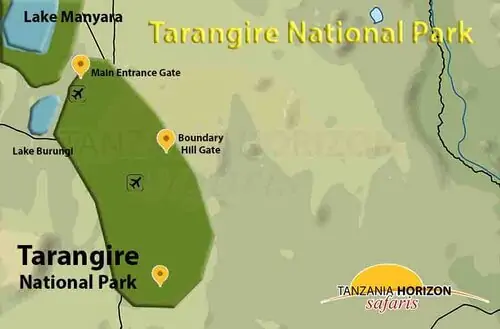
Map of Tarangire National Park
Safari Itineraries Including Tarangire
A sample 5-day itinerary from Arusha: Day 1: Drive to Tarangire for afternoon game drive. Day 2: Full-day exploring river and swamps. Day 3: Walking safari and birdwatching. Day 4: Photography focus in Lemiyon. Day 5: Return to Arusha, with optional extension to Ngorongoro.
FAQs _ Tarangire Wildlife Guide
What animals are found in Tarangire National Park?
Tarangire hosts elephants, lions, leopards, zebras, giraffes, buffalo, wildebeests, impalas, and rare species like fringe-eared oryx and gerenuk.
Is Tarangire good for elephants?
Absolutely—it’s renowned for some of Africa’s largest elephant herds, especially during dry season gatherings at the river.
When is the best time to visit Tarangire?
June to October for prime wildlife viewing; November to May for scenery and birds.
Is Tarangire worth visiting?
Yes, for its unique elephant populations, baobabs, and less crowded safaris compared to Serengeti.
How big is Tarangire National Park?
About 2,850 square kilometers, making it Tanzania’s sixth-largest park.
This Tarangire wildlife guide highlights why the park is among the best wildlife parks in Tanzania, blending education, adventure, and awe-inspiring encounters.