What Vaccinations Are Required for Uganda — 2026 Health Guide
What vaccinations are required for Uganda: Everything you need to know about mandatory and recommended vaccines, malaria prevention, and health preparations before your Uganda safari
Planning a Uganda safari is one of the most exciting travel decisions you will ever make. Gorilla trekking in Bwindi Impenetrable Forest, chimpanzee tracking in Kibale, lion-watching in Queen Elizabeth National Park, the thundering power of Murchison Falls — Uganda delivers wildlife experiences that cannot be replicated anywhere else on earth. But before you step onto that plane to Entebbe, your health preparation is just as important as your packing list.
Vaccinations for Uganda fall into two categories: those that are legally required for entry and those that are strongly recommended by the WHO, the CDC, and national travel health authorities for protection during your visit. Missing either category can result in being refused entry at the border, or spending days of your wildlife safari ill in a camp rather than in the forest where you planned to be.
This guide covers every vaccine required and recommended for Uganda travel in 2026 — what each disease is, why the vaccine matters for safari travellers specifically, how far in advance to get each jab, what your travel health clinic will tell you, and how to prepare medically for a Uganda gorilla safari, wildlife trip, or birding tour with All Uganda Safari Tours.
The One Mandatory Vaccine for Uganda: Yellow Fever
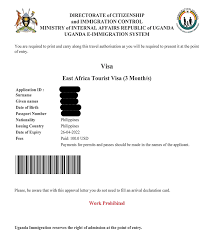
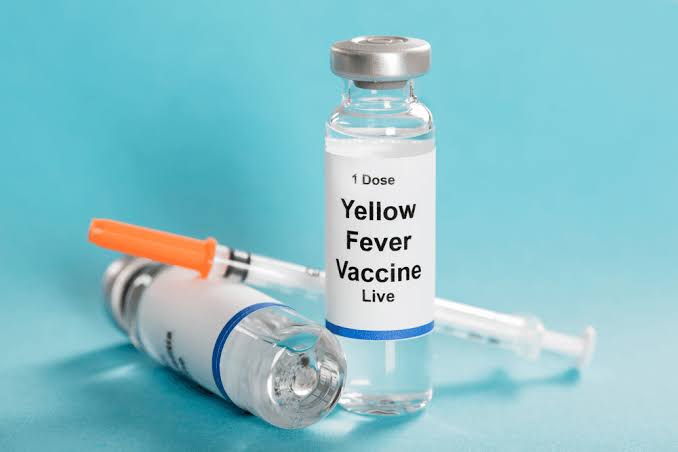
Yellow fever vaccination is legally mandatory for entry into Uganda for travellers arriving from or who have transited through a yellow fever endemic country.
If you arrive at Entebbe International Airport without a valid Yellow Fever vaccination certificate (the International Certificate of Vaccination or Prophylaxis, commonly called the “yellow card”), you can be refused entry or forced to receive the vaccine at the airport — which is not a situation you want to find yourself in after a 10-hour flight.
What Is Yellow Fever?
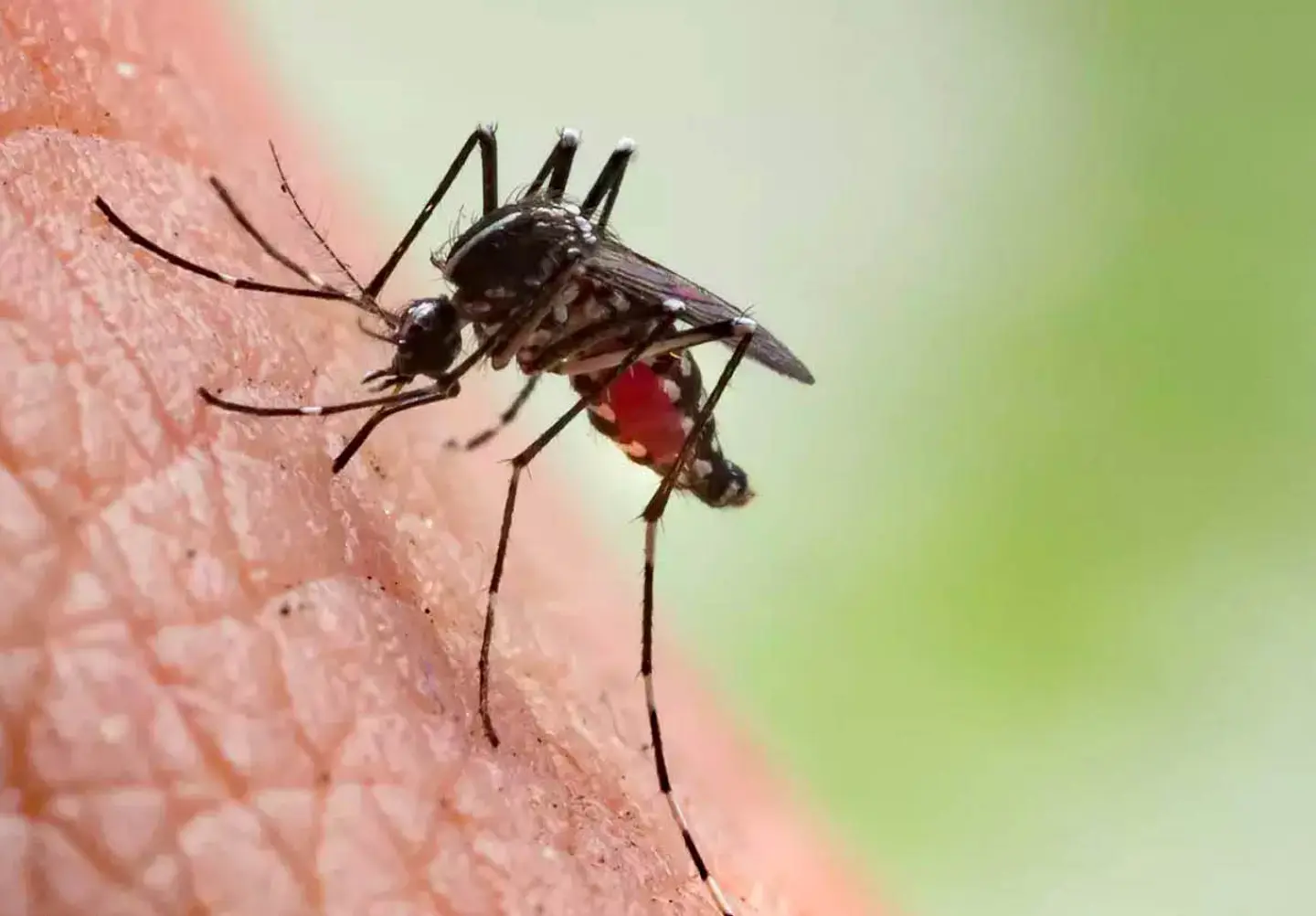
Yellow fever is a viral haemorrhagic disease transmitted by infected Aedes mosquitoes, found throughout sub-Saharan Africa and tropical South America. In its severe form it causes jaundice (the yellow discolouration that gives the disease its name), organ failure, and death in approximately 20–50% of severe cases. There is no antiviral treatment — vaccination is the only effective protection.
Who Must Have the Yellow Fever Vaccine for Uganda?
Uganda’s mandatory yellow fever vaccination requirement applies to all travellers aged 1 year and above arriving from yellow fever endemic countries — including most sub-Saharan African nations and tropical South American countries.
Travellers from the UK, USA, most European countries, Australia, and other non-endemic regions are technically not required to present a yellow fever certificate if flying directly from their home country without transiting through an endemic zone.
However, given that many Uganda safari travellers connect through Nairobi (Kenya), Addis Ababa (Ethiopia), Doha, or Dubai — and that some of these routing options involve African stopovers — it is strongly recommended that all travellers to Uganda get the yellow fever vaccine regardless of their travel route, as transit rules change and the certificate may be requested at any border or park entry point. Many Uganda national parks and gorilla trekking briefing centres request the yellow card alongside permits.
Vaccine facts: The yellow fever vaccine is a live attenuated vaccine administered as a single injection. It provides lifelong immunity in most recipients — the WHO updated its guidance in 2016 to state that a single dose provides lifelong protection, and booster doses are no longer required in most circumstances.
The vaccine takes 10 days to become effective, so it must be administered at least 10 days before your arrival in Uganda. The vaccination and the stamped yellow card are available at designated travel health centres and travel clinics.
Recommended Vaccinations for Uganda — What Your Doctor Will Advise
Beyond the yellow fever requirement, several vaccines are strongly recommended for all Uganda travellers by the WHO, CDC, and national travel health advisory bodies. “Recommended” does not mean optional for most travellers — it means legally advised rather than legally mandated.
Hepatitis A — Strongly Recommended for All Uganda Travellers
Hepatitis A is a viral liver infection transmitted through contaminated food and water. Uganda’s water infrastructure, while improving rapidly, presents contamination risk in rural safari areas — exactly the regions where gorilla trekking in Bwindi, chimpanzee tracking in Kibale, and game drives in Queen Elizabeth and Murchison Falls take place.
The Hepatitis A vaccine provides excellent protection with a two-dose schedule: the first dose provides protection within 2–4 weeks; the second dose (given 6–12 months later) provides long-term protection for 20–30 years.
For travellers who have not had a previous Hepatitis A vaccine, getting the first dose at least 2 weeks before departure is essential. If you are booking a Uganda gorilla safari or a longer multi-park tour, Hepatitis A vaccination is non-negotiable.
Typhoid — Strongly Recommended, Especially for Longer Stays
Typhoid fever is a bacterial infection caused by Salmonella typhi, spread through contaminated food and water. The risk is highest in rural areas and smaller towns, precisely the communities that border Uganda’s wildlife parks. Travellers eating local food — highly recommended for an authentic Uganda experience — face meaningful exposure risk without vaccination.
The typhoid vaccine is available in two forms: an injectable vaccine (single dose, effective for 2–3 years) and an oral capsule course (three doses over alternate days, effective for 5 years). The injectable vaccine is the more commonly administered option at UK and European travel clinics. Get it at least 2 weeks before departure.
Tetanus, Diphtheria, and Polio — Ensure You Are Up to Date
Most travellers from the UK, USA, Europe, and Australia received childhood immunisation against tetanus, diphtheria, and polio, but boosters may be required if your last dose was more than 10 years ago.
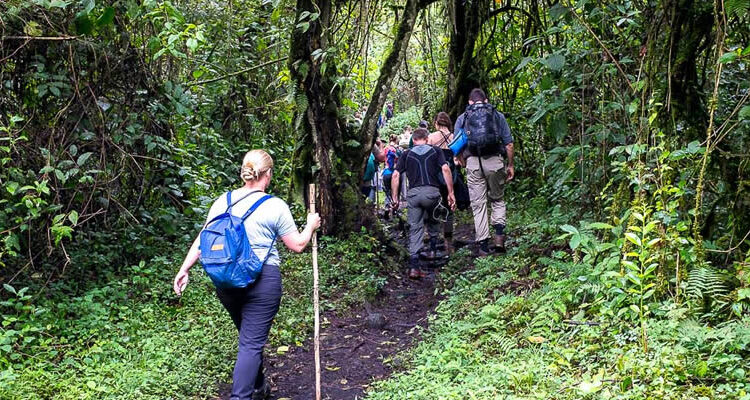
Tetanus is a risk anywhere in the world where skin wounds can occur — and hiking to gorillas in Bwindi Impenetrable Forest, walking through Kibale Forest for chimpanzee tracking, or exploring Kidepo Valley National Park on foot all present the possibility of cuts and abrasions.
Check with your GP or travel health clinic whether your tetanus/diphtheria/polio boosters are current. If not, a Td/IPV combined booster covers all three with a single injection.
Hepatitis B — Recommended for Longer Stays or Medical Volunteers
Hepatitis B is transmitted through infected blood, sexual contact, and needle use. For standard safari travellers visiting Uganda for 1–3 weeks, the risk is relatively low but not zero — particularly if any medical or dental treatment might be required during the trip. For travellers planning longer stays, volunteer work, or medical missions in Uganda, Hepatitis B vaccination is essential.
The standard vaccination schedule is three doses over six months (0, 1, and 6 months), though an accelerated schedule (0, 7, and 21 days, with a 12-month booster) is available for travellers with shorter preparation windows. A combined Hepatitis A and B vaccine (Twinrix) is available as a three-dose course and is a practical option for travellers who need both.
Meningococcal Disease — Recommended for Extended Stays
Meningococcal meningitis risk in Uganda is concentrated in the “meningitis belt” of sub-Saharan Africa. Travellers spending extended periods in Uganda, particularly in dry season or in the northern regions (including Kidepo Valley National Park), should discuss meningococcal vaccination with their travel health clinic. A single dose of the quadrivalent meningococcal vaccine (ACWY) provides approximately 5 years of protection.
Rabies — Strongly Recommended for Wildlife Travellers and Gorilla Trekkers
Rabies vaccination is particularly important for Uganda safari travellers — more so than for most other destination types — because of the direct contact risk with primates and wildlife during gorilla trekking, chimpanzee tracking, and other forest activities.
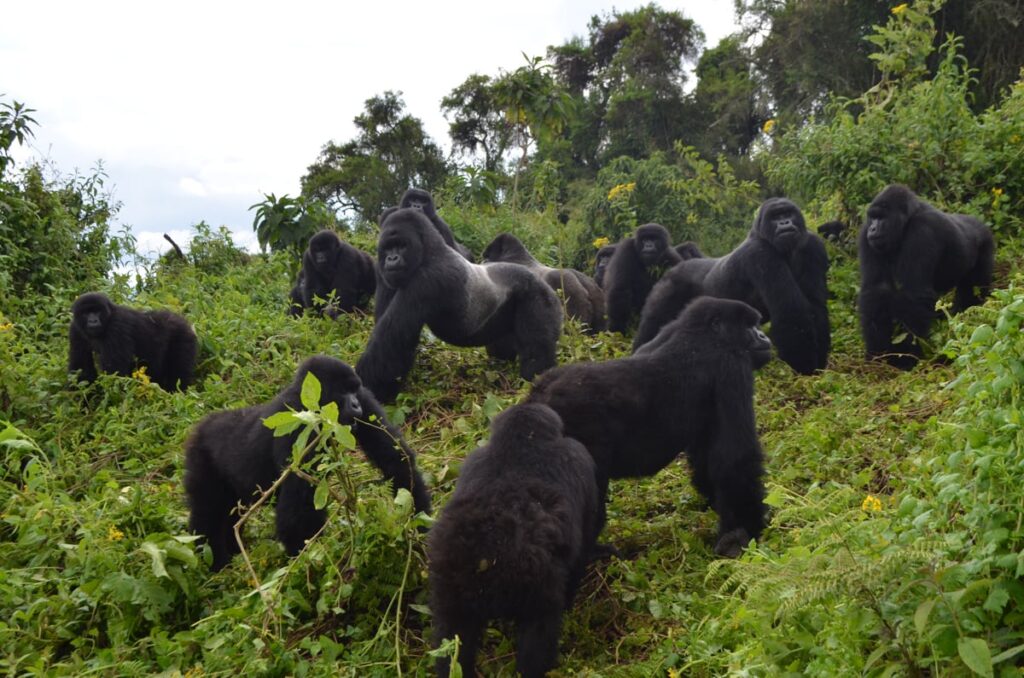
Mountain gorillas, chimpanzees, and many other primates are potential rabies vectors, and while the habituation process minimises aggressive encounters, the wild nature of the experience means that unexpected contact cannot be completely eliminated. During a gorilla trekking experience in Uganda, a gorilla may occasionally approach closer than the official 7-metre distance, or a branch interaction may result in a scratch.
Pre-exposure rabies vaccination (three doses over 21–28 days) does not eliminate the need for post-exposure treatment if a bite or scratch occurs, but it removes the requirement for Rabies Immunoglobulin (RIG) — which is difficult to source in Uganda — and reduces the post-exposure treatment course from five doses to two.
For travellers doing gorilla trekking, chimpanzee habituation, or any wildlife activity in Uganda, pre-exposure rabies vaccination is one of the most important Uganda health preparations you can make.
For the 3 Days Uganda Gorilla Habituation Safari — where travellers spend a full four hours rather than one hour with a gorilla family still undergoing the habituation process — pre-exposure rabies vaccination is especially strongly recommended given the extended contact duration.
Malaria Prevention for Uganda — Not a Vaccine but Equally Critical
Malaria is present throughout Uganda, including in all national park areas where most safari activities take place. Uganda sits within the high-transmission zone, where the primary malaria parasite (Plasmodium falciparum) is the most dangerous and most common species.
Malaria is not preventable by vaccine (though the RTS,S/AS01 malaria vaccine is now being rolled out in some East African countries, it is not yet a standard travel health tool for visitors), but it is effectively preventable through antimalarial medication and mosquito avoidance.
Antimalarial Medications for Uganda Travellers
Your travel health clinic will prescribe one of three main antimalarial drugs for Uganda travel:
Atovaquone/proguanil (Malarone): Taken daily, starting 1–2 days before arrival and continuing for 7 days after departure. Well-tolerated by most travellers with minimal side effects. The most commonly prescribed antimalarial for Uganda safari travellers from the UK, USA, and Europe.
Doxycycline: Taken daily, starting 2 days before arrival and continuing for 4 weeks after departure. Very effective and low-cost, but can cause photosensitivity (sun sensitivity) and must be taken with food and a full glass of water to avoid oesophageal irritation. Not suitable for pregnant women or children under 12.
Mefloquine (Lariam): Weekly dosing, starting 2–3 weeks before departure. Effective but associated with neuropsychiatric side effects in some individuals. Usually prescribed only when other options are contraindicated.
Consult your GP or travel health clinic to determine the most appropriate antimalarial for your specific health profile, trip length, and planned activities. Starting the consultation well in advance of your Uganda safari gives time to trial the medication and address any side effects before departure.
Mosquito Avoidance Alongside Antimalarial Medication
Antimalarial medication reduces malaria risk significantly but does not eliminate it entirely. Physical mosquito avoidance measures are important complementary protections:
DEET-based insect repellent (30–50% DEET concentration) applied to exposed skin, particularly in the evening when Anopheles mosquitoes are most active.
Long-sleeved clothing and long trousers after dusk — particularly important on evening game drives in Murchison Falls, Queen Elizabeth, and Akagera, where mosquito activity is highest near water sources.
Mosquito nets — all reputable lodges and camps used by All Uganda Safari Tours provide mosquito nets over beds. Use them every night without exception.
Air conditioning or a fan — moving air reduces mosquito landing time significantly. Most Uganda safari lodges in mid-range and above provide one or both.
How Far in Advance Should You Get Uganda Vaccinations?
This is one of the most important practical questions for Uganda safari travellers, because some vaccines require multiple doses weeks apart and all vaccines need time to become effective before your departure.
Minimum recommended timeline: Visit your travel health clinic or GP at least 6–8 weeks before your Uganda departure date. This provides enough time for multi-dose vaccine courses (Hepatitis A/B, rabies) and for all vaccines to reach full effectiveness before you arrive in Entebbe.
Rabies pre-exposure course: Three doses over 28 days minimum. If you are planning a gorilla trekking Uganda safari and want pre-exposure rabies coverage, begin the course at least 4 weeks before departure.
Yellow fever: Single dose, effective after 10 days. Book your travel clinic appointment at least 3 weeks before departure to allow for any scheduling delays and ensure you have the stamped yellow card in time.
Hepatitis A + Typhoid: Both administered as single doses (injectable forms), effective within 2 weeks. These can be obtained closer to departure in an emergency, but 4 weeks is comfortable.
Malaria medication: Begin Malarone 1–2 days before arrival, Doxycycline 2 days before, Mefloquine 2–3 weeks before. Start your prescription process at least 4 weeks before departure.
Uganda Vaccination Requirements by Activity — What Each Safari Traveller Should Prioritise
Different Uganda safari activities carry different health risk profiles. Here is how to think about your vaccination priorities based on your planned activities:
Gorilla Trekking (Bwindi Impenetrable Forest)
Travellers on a Uganda gorilla safari or 5 Days Double Gorilla Trekking Safari should prioritise: Yellow fever (mandatory), Rabies (high priority due to primate contact), Hepatitis A, Typhoid, Tetanus booster, and antimalarial medication. Bwindi’s altitude (1,160–2,607m) reduces malaria risk at higher elevations but does not eliminate it — antimalarial medication is still required.
Chimpanzee Trekking (Kibale Forest)
For the 3 Days Chimpanzee Trekking Uganda and 1 Day Ngamba Island Chimpanzee Tour, the same vaccine priorities as gorilla trekking apply — particularly rabies, given the closer behavioural proximity to chimpanzees compared to other wildlife. Kibale’s lower elevation (approximately 1,100m) sits in a higher malaria transmission zone than Bwindi.
Wildlife Game Drives (Murchison Falls, Queen Elizabeth, Kidepo)
For travellers on a 3 Days Murchison Falls National Park Safari, 3 Days Queen Elizabeth National Park Safari, or 4 Days Kidepo Wildlife Tour, malaria prevention is the top priority. These lower-altitude, savanna park areas have higher mosquito exposure, particularly on evening and night drives near rivers and lakes. The full vaccination suite (Yellow fever, Hepatitis A, Typhoid, Tetanus, Meningococcal for Kidepo’s northern location) and rigorous antimalarial medication are essential.
Birding Safaris
Uganda’s extraordinary birding — over 1,060 species including Shoebill, African Green Broadbill, and multiple Albertine Rift endemics — takes travellers through a wide range of habitats from papyrus swamps (high mosquito exposure) to montane forest (lower malaria risk). For Uganda Birding Safaris that span multiple ecosystem types, the full vaccine suite and diligent antimalarial coverage is the correct preparation.
Travel Health Insurance for Uganda — Essential Alongside Your Vaccinations
No vaccination guide for Uganda is complete without a strong recommendation for comprehensive travel health insurance. Medical facilities in Uganda’s national park areas are limited — serious illness or injury typically requires evacuation to Kampala’s international hospitals or, in severe cases, medical repatriation to your home country.
Ensure your travel health insurance explicitly covers: gorilla trekking (classified as a strenuous activity), helicopter or air ambulance evacuation from remote park areas, hospitalisation in Uganda at international standard facilities, and medical repatriation.
All Uganda Safari Tours works with travellers to ensure that their safari itineraries are planned with access to the best available medical support, and the team can advise on appropriate insurance providers for Uganda travel. Contact All Uganda Safari Tours for pre-travel health preparation guidance as part of your safari planning.
Quick Reference: Uganda Vaccination Checklist for 2026
| Vaccine | Required or Recommended | Timing Before Departure | Notes |
|---|---|---|---|
| Yellow Fever | Mandatory (from endemic countries) | 10 days minimum | Lifelong protection; yellow card required |
| Hepatitis A | Strongly recommended | 2–4 weeks | Two-dose course for long-term protection |
| Typhoid | Strongly recommended | 2 weeks | Especially for rural travel and local food |
| Tetanus/Diphtheria/Polio | Recommended (booster) | Any time | Check if booster due (10-year intervals) |
| Rabies (pre-exposure) | Strongly recommended for primate trekking | 4 weeks (3 doses) | Critical for gorilla and chimp trekkers |
| Hepatitis B | Recommended for longer stays | 6 months (standard) / 3 weeks (accelerated) | Combined A+B vaccine available |
| Meningococcal ACWY | Recommended | Any time | Especially for extended stays and northern Uganda |
| Malaria antimalarials | Essential (not a vaccine) | Start 1–21 days before | Malarone, Doxycycline, or Mefloquine |
Faqs: Uganda Vaccinations
Is the yellow fever vaccine mandatory for all visitors to Uganda? Yellow fever vaccination is legally required for travellers arriving from or transiting through yellow fever endemic countries. However, given the risk of inconsistent application at border crossings and national park entry points, all Uganda travellers are strongly advised to get the yellow fever vaccine regardless of their origin.
How many vaccines do I need for Uganda? For a typical Uganda gorilla and wildlife safari, expect to receive or update: Yellow fever, Hepatitis A, Typhoid, and Tetanus (if due), plus pre-exposure rabies if doing primate trekking. Add Hepatitis B if staying longer than 4 weeks. Total injections: 3–6 depending on your vaccine history.
Can I get Uganda vaccinations at the last minute? Yellow fever can be obtained within 10 days of departure (the minimum for it to become effective). Hepatitis A provides some protection within 2 weeks. However, the pre-exposure rabies course requires 28 days minimum. Do not leave vaccination until the last week — book your travel health clinic appointment at least 6–8 weeks before departure.
Do I need vaccinations for Rwanda if combining with Uganda? Rwanda has identical vaccination requirements to Uganda, including mandatory yellow fever (from endemic countries) and the same recommended vaccine suite. The combined 7 Days Uganda Rwanda Cross Border Gorilla Odyssey only requires one set of vaccines — Uganda and Rwanda share the same health preparation profile.
Plan Your Uganda Safari — Let All Uganda Safari Tours Handle Everything Else
Getting your vaccinations right is the health preparation for a Uganda safari. The rest — gorilla permits, park fees, lodge bookings, transfers, expert naturalist guides, and the on-ground expertise that turns a trip into an experience — is what All Uganda Safari Tours handles for you.
Whether you are planning a 1 Day Uganda Gorilla Safari, a 7 Days Uganda Gorillas and Wildlife Tour, or a comprehensive multi-week East Africa itinerary, the All Uganda Safari Tours team provides the expertise, the permit relationships, and the on-ground care that makes Uganda’s extraordinary wildlife accessible safely and unforgettably.
Contact All Uganda Safari Tours to begin planning your Uganda safari — and then visit your travel health clinic to begin your vaccination preparation. Both conversations should happen as early as possible, and both will contribute equally to making your Uganda trip everything it should be.
Related Pages — Plan Your Uganda Safari with All Uganda Safari Tours
- Home — All Uganda Safari Tours E.A Ltd
- Uganda Birding Safaris — 1–10 Days Birdwatching Tours
- 1 Day Uganda Gorilla Safari
- 3 Days Uganda Gorilla Safari
- 3 Days Rwanda Gorilla Safari
- 3 Days Uganda Gorilla Habituation Safari
- 4 Days Fly-In Uganda Gorilla Safari
- 5 Days Double Gorilla Trekking Safari to Uganda
- 5 Days Mgahinga Volcano Gorilla Adventure
- 5 Days Uganda Gorilla and Batwa Pygmy Tour
- 7 Days Uganda Rwanda Cross Border Gorilla Odyssey
- 7 Days Uganda Gorillas and Wildlife Tour
- 1 Day Jinja Tour
- 1 Day Rwanda Gorilla Safari
- 1 Day Mabamba Swamp Birding Tour
- 1 Day Kampala City Tour
- 1 Day Entebbe City Tour
- 1 Day Rhino Tracking Tour
- 1 Day Ngamba Island Chimpanzee Tour
- 2 Days Lake Mburo Safari
- 3 Days Queen Elizabeth National Park Safari
- 3 Days Murchison Falls National Park Safari
- 3 Days Chimpanzee Trekking Uganda
- 4 Days Murchison Falls Wildlife Safari
- 4 Days Kidepo Wildlife Tour
- 5 Days Uganda Primates Tour
- 5 Days Uganda Wildlife Safari