What Happens During Gorilla Trekking? Fascinating Insight
Discover what happens during gorilla trekking, from the pre-trek briefing and rainforest hike to the unforgettable one-hour encounter with mountain gorillas.
If you’ve never done it before, gorilla trekking can feel like a mystery — how long does it actually take, what happens once you find the gorillas, and what exactly are the rules once you’re standing a few meters from a wild silverback?
This guide walks through what happens during gorilla trekking from the moment you arrive at park headquarters to the moment you leave the forest, so you know exactly what to expect before you book your Uganda gorilla safari or Rwanda gorilla trek.
Whether you’re researching “what to expect on a gorilla trek,” “how does gorilla trekking work,” or simply want to understand the full gorilla trekking process before committing to a permit, this breakdown covers every stage of the day.
Before the Trek: Gorilla Permit Booking and Registration
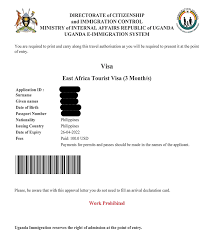
What happens during gorilla trekking actually begins weeks or months before you ever set foot in the forest. Mountain gorillas are only found in Uganda, Rwanda, and a small, security-limited area of the Democratic Republic of Congo, and every trek requires a gorilla trekking permit issued by the relevant wildlife authority — the Uganda Wildlife Authority (UWA) or the Rwanda Development Board (RDB).
As of 2026, a gorilla trekking permit in Uganda costs $800 for foreign non-residents, while a Rwanda gorilla permit costs $1,500 for foreign non-residents — a price difference that shapes many travelers’ choice of destination.
Because only a limited number of permits are issued per gorilla family each day, booking three to twelve months in advance is strongly recommended, particularly for peak season travel.
Our 3 Days Uganda Gorilla Safari and 3 Days Rwanda Gorilla Safari packages both handle this permit booking process in full, so you never have to navigate it alone.
Trek Day Morning: The Pre-Trekking Briefing
On the morning of your gorilla trek, you’ll arrive at the park headquarters — typically before 7:30am — for registration and a mandatory pre-trekking briefing from park rangers.
This is where what happens during gorilla trekking genuinely starts to take shape: rangers explain the ground rules for encountering gorillas, the general behavior you should expect, and safety guidelines every visitor must follow once in the forest.
You’ll also be assigned to a specific gorilla family, with your group typically capped at eight visitors per family group — a rule designed to keep the encounter safe for both visitors and the gorillas themselves, and to limit disease transmission risk given how closely related humans and gorillas are genetically.
Trackers, who monitor gorilla families daily, will already have a rough sense of where your assigned family was last seen, which helps guides estimate how long the trek itself might take.
The Trek Itself: What to Expect in the Forest
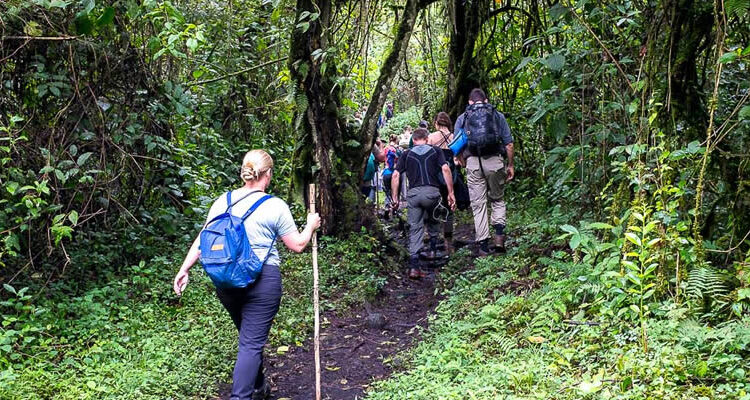
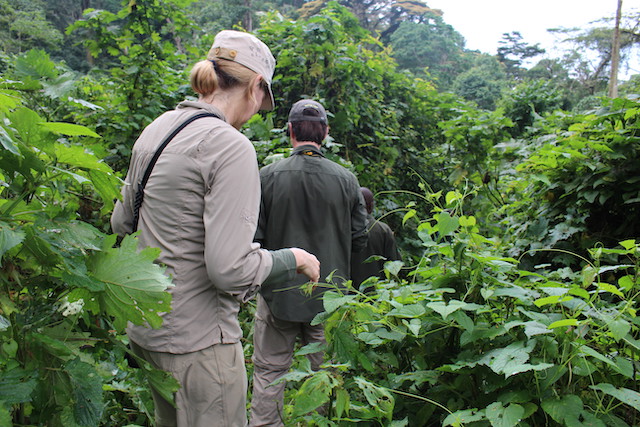
Once briefed, you’ll set off into the forest accompanied by an armed ranger (a standard safety precaution against forest elephants and buffalo, not the gorillas themselves), your guide, and often a porter to help carry gear on steeper terrain.
This is the part of gorilla trekking with the most variability — the hike to reach your assigned gorilla family can take anywhere from 30 minutes to 6–8 hours, entirely dependent on where the family happens to be feeding that day.
Trails inside gorilla habitat like Bwindi Impenetrable National Park are often steep, muddy, and genuinely challenging, winding through dense rainforest undergrowth rather than a maintained path.
This is exactly why fitness level matters when choosing your trek — our 3 Days Uganda Gorilla Habituation Safari is a good option for travelers wanting a longer, more immersive forest experience, while shorter itineraries like the 1 Day Uganda Gorilla Safari suit those with tighter schedules who still want the full encounter.
Finding the Gorillas: The Moment Trackers Make Contact
As you get closer, your guide will receive radio updates from the trackers who’ve been following the family’s movements since dawn. Once trackers confirm the gorillas are nearby, guides will typically ask you to leave backpacks, walking sticks, and food with your porter — nothing should be carried in that could be dropped or that might draw a gorilla’s curiosity. This is also the point where guides remind everyone of the core gorilla trekking rules: speak quietly, move slowly, and follow every instruction immediately.
The One-Hour Encounter: What Actually Happens With the Gorillas
This is the heart of what happens during gorilla trekking, and it’s genuinely unlike anything else in wildlife tourism. Once your group reaches the family, you’re permitted exactly one hour in their presence — a strict rule enforced to minimize stress on the gorillas and reduce disease transmission risk.
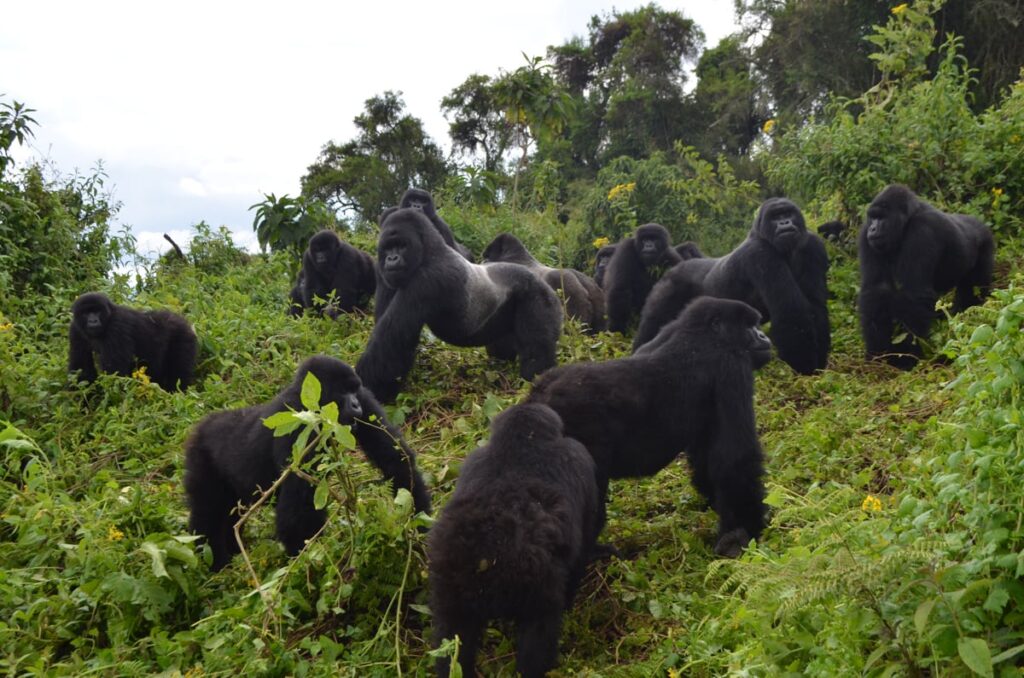
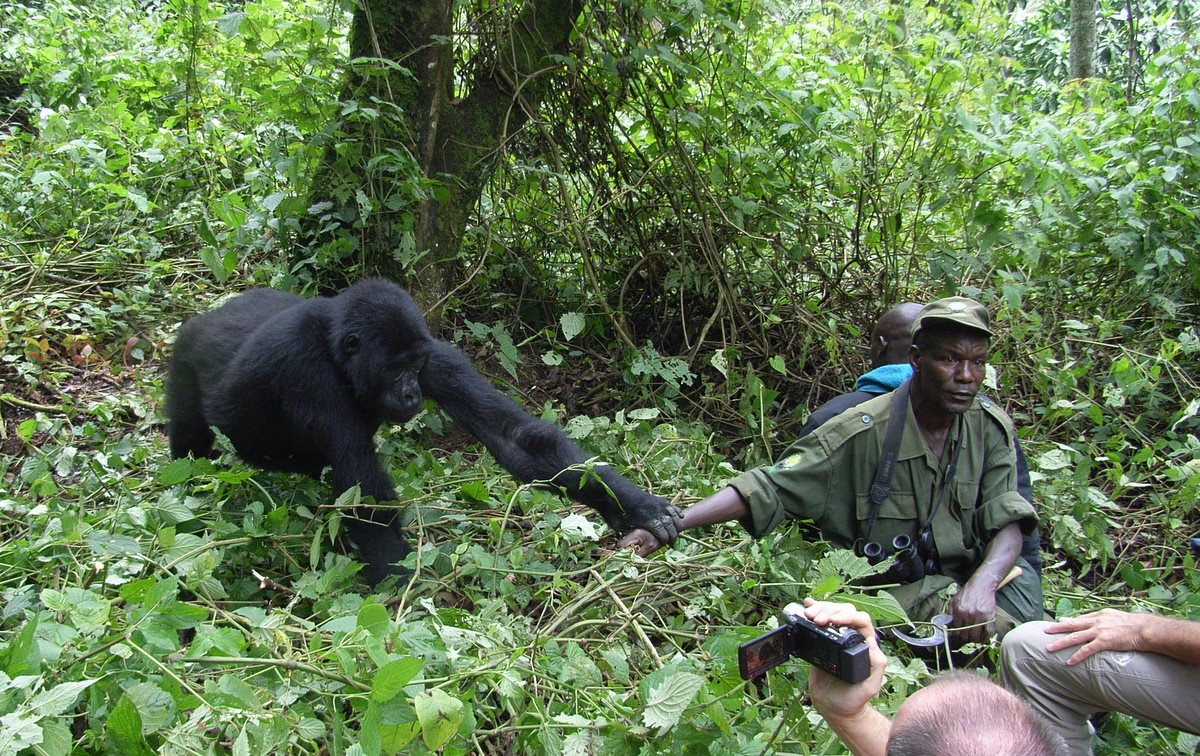
During that hour, you’ll typically observe the family going about entirely normal behavior: a silverback resting or feeding on wild celery, juveniles play-wrestling in the undergrowth, mothers nursing infants, and the occasional dramatic chest-beat display if a blackback feels the need to assert himself.
Strict rules apply throughout: maintain roughly 7 meters (about 23 feet) of distance from the gorillas at all times, never use flash photography, keep your voice low, and never eat or drink in their presence.
If a gorilla approaches you rather than the other way around, your guide will instruct you to stay still and calm rather than back away suddenly.
Travelers wanting an even deeper version of this encounter — up to four hours rather than one — should look at a dedicated gorilla habituation experience, which trades the standard one-hour visit for extended time with a family still being acclimated to human presence.
After the Encounter: Descending and What Comes Next
Once your hour is up, you’ll begin the descent back to the trailhead, often reflecting on the experience along the way with your guide, who can answer questions about the specific family you just visited, individual gorilla names, and ongoing conservation efforts.
Back at park headquarters, successful trekkers typically receive a certificate of gorilla trekking completion — a memorable keepsake marking your encounter.
Many travelers pair their trek with a relaxing afternoon back at their lodge, or extend the day with a cultural visit to a nearby Batwa community, an option built into packages like our 5 Days Uganda Gorilla and Batwa Pygmy Tour.
Travelers looking to make the most of their permit and see two different gorilla families across their trip often choose our 5 Days Double Gorilla Trekking Safari to Uganda, while those wanting to combine gorillas with a volcano hike can consider the 5 Days Mgahinga Volcano Gorilla Adventure.
What to Wear and Pack for Gorilla Trekking
Since what happens during gorilla trekking involves genuine forest hiking, proper gear matters. Sturdy, waterproof hiking boots with good ankle support are essential given the frequently muddy, uneven terrain, alongside long trousers and long sleeves to guard against stinging nettles and biting insects.
Gardening gloves help when grabbing vegetation on steep sections, and a light rain jacket is worth carrying even in the dry season, since Bwindi and the Virunga forests can turn misty and wet with little warning.
What Happens If You Need to Reschedule Your Gorilla Trek
Because permits are booked so far in advance, plans occasionally change. Our detailed gorilla and chimpanzee permit cancellation and rescheduling policy covers exactly what happens if you need to shift your trekking dates or cancel outright, including the notice periods and fees involved with both UWA and RDB permits.
Choosing the Right Gorilla Trekking Package for Your Budget
What happens during gorilla trekking doesn’t change much between budget and luxury packages — the trek, the rules, and the one-hour encounter are identical regardless of price tier. What changes is everything around the trek: your lodge, your transport, and your overall pace. Our mid-range Bwindi gorilla trekking packages strike a comfortable balance for most travelers, while options like the 4 Days Bwindi Silverback Encounter and 4 Days Fly-in Uganda Gorilla Safari suit travelers wanting a faster, more premium experience with less time spent on the road. For the full picture of where gorilla trekking fits into Uganda’s wider park network, see our Uganda National Parks guide.
FAQ: What Happens During Gorilla Trekking
How long does gorilla trekking actually take? The hike to find the gorillas can take anywhere from 30 minutes to 6–8 hours, depending on where the family is feeding that day. You’re then permitted exactly one hour with the gorillas once found.
What are the rules once you find the gorillas? Stay roughly 7 meters away at all times, keep your voice low, never use flash photography, and never eat or drink in their presence.
Do I need to be very fit for gorilla trekking? A reasonable fitness level helps, since trails are often steep and muddy, but porters are available to assist, and pace is adjusted to the group.
What happens if I can’t find the gorillas? This is extremely rare given experienced trackers monitor each family daily, but most operators offer some form of partial refund policy in the unlikely event of no sighting.
Can I reschedule my gorilla trekking permit if my plans change? Yes, subject to the relevant wildlife authority’s notice periods and fees — see our full cancellation and rescheduling policy for details.
Related Gorilla Trekking & Uganda Safari Guides
- 1 Day Uganda Gorilla Safari
- 3 Days Uganda Gorilla Safari
- 3 Days Rwanda Gorilla Safari
- 3 Days Uganda Gorilla Habituation Safari
- 4 Days Bwindi Silverback Encounter
- 4 Days Fly-in Uganda Gorilla Safari
- 5 Days Double Gorilla Trekking Safari to Uganda
- 5 Days Mgahinga Volcano Gorilla Adventure
- 5 Days Uganda Gorilla and Batwa Pygmy Tour
- Mid-Range Bwindi Gorilla Trekking Packages
- Gorilla and Chimpanzee Permit Cancellations & Rescheduling Policy
- Uganda National Parks Guide
- Contact Us to Book Your Gorilla Trek