Okavango Delta Travel Guide: Safari Experience, Wildlife & Best Time to Visit
The Okavango Delta stands as one of the most extraordinary natural wonders on the African continent. This vast inland delta, located in northern Botswana, is a UNESCO World Heritage Site renowned for its pristine wilderness and unparalleled biodiversity.
Unlike typical river deltas that empty into the ocean, the Okavango River fans out into the arid Kalahari Desert, creating a unique ecosystem where water meets desert in a breathtaking display of life.
For travelers seeking an Okavango Delta safari or a premium Botswana safari, this destination offers an experience that combines luxury, adventure, and raw nature.
It attracts those dreaming of an Africa luxury safari, where seasonal floods transform the landscape into a vibrant wetland oasis teeming with wildlife.
Whether gliding through papyrus-lined channels or tracking big game on land, the Delta delivers moments that linger long after your journey ends.
What Makes the Okavango Delta Unique
The Okavango Delta earns its reputation as one of Africa’s most special places through several remarkable features. It is the world’s largest inland delta, an endorheic system where the Okavango River—originating from rainfall in the Angolan highlands—spreads across approximately 15,000 to 22,000 square kilometers without reaching the sea.
Instead, its waters evaporate or seep into the Kalahari sands, sustaining a dynamic mosaic of permanent swamps, seasonal floodplains, lagoons, and thousands of islands.
The seasonal flooding defines its magic. Rains fall in Angola between November and February, sending a surge of water that travels over 1,200 kilometers and arrives in Botswana between March and June.
The floods peak in July and August—precisely during Botswana’s dry winter season—tripling the Delta’s size and revitalizing ecosystems when surrounding areas are parched.
This timing creates a “flood pulse” that synchronizes with wildlife cycles: animals migrate toward the incoming waters, resulting in spectacular concentrations of game.
This uniqueness supports rich biodiversity. The Delta hosts over 500 bird species, diverse mammals, reptiles, and fish. Its near-pristine state, with low human impact and careful conservation, makes it a model for sustainable tourism. Private concessions limit visitor numbers, ensuring an exclusive, low-density experience that enhances the sense of wilderness.
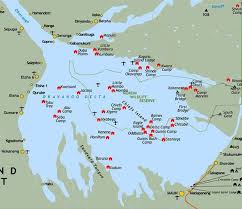
An Okavango Delta map reveals its position in northwestern Botswana, bordered by areas like Moremi Game Reserve to the east. The Delta sits in Botswana, a politically stable country with a strong commitment to wildlife protection.
Wildlife in the Okavango Delta: Animals You Can See
The Okavango Delta boasts some of Africa’s highest wildlife densities, especially during the dry and flood seasons when animals congregate around water sources.
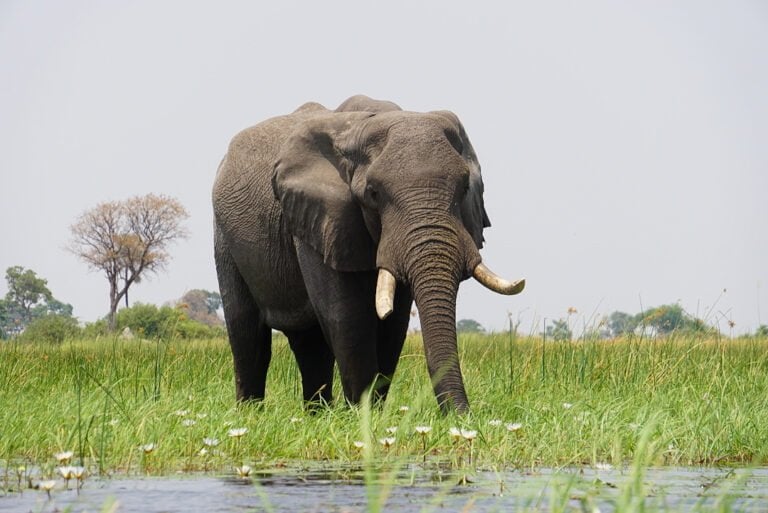
African elephants dominate the landscape in huge populations—often exceeding 80,000 individuals seasonally. These ecosystem engineers create paths through vegetation and provide water access for other species by digging in dry riverbeds. Herds splash and bathe in the channels, offering unforgettable sightings.
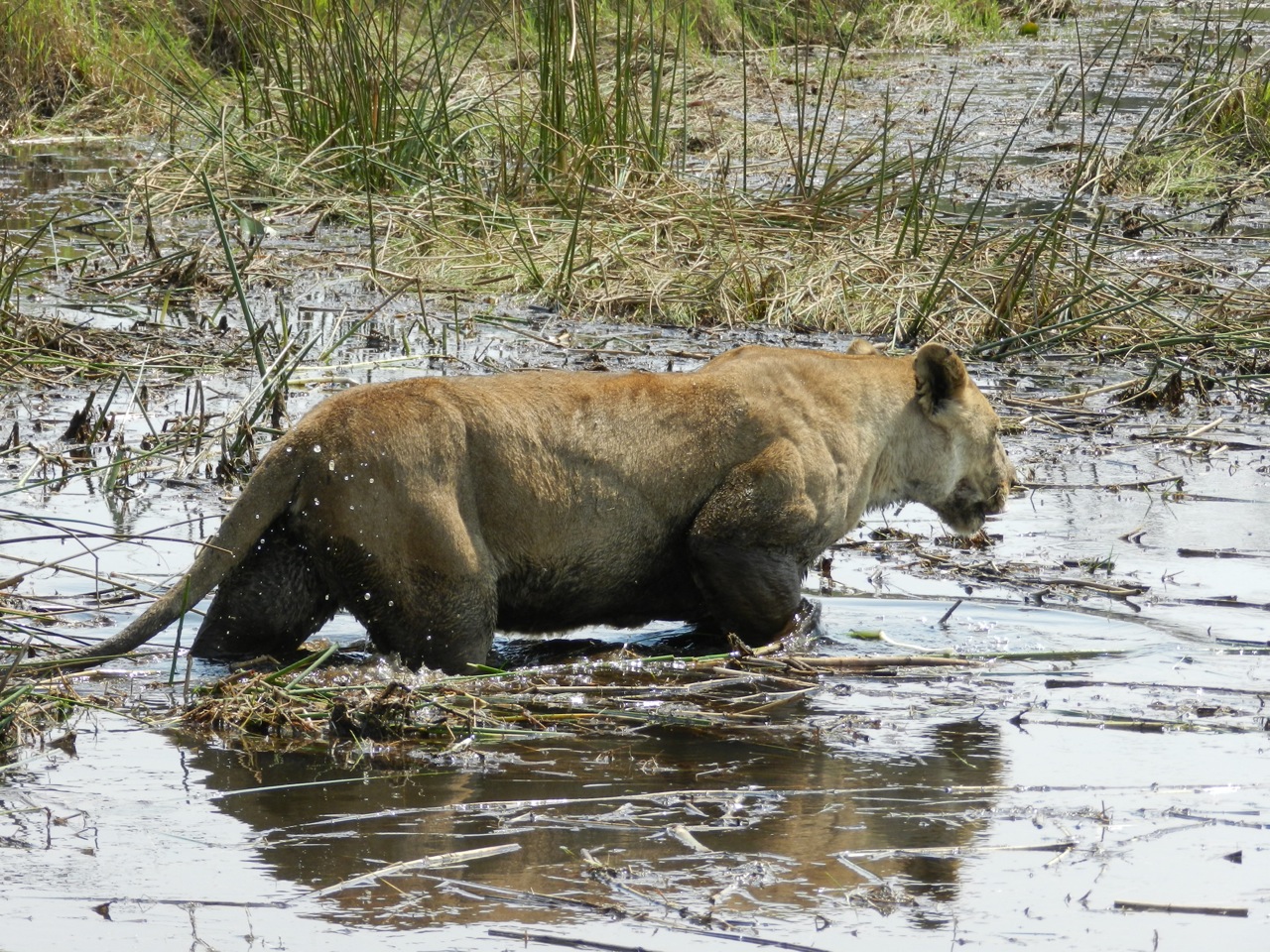
African lions thrive here, with prides hunting across floodplains and islands. The Delta’s Okavango Delta lions include impressive males, sometimes with darker manes adapted to the environment. Predators like leopards (elusive and often seen in wooded areas), cheetahs, and African wild dogs add excitement to game drives.
The Big 5 are all present: elephants, lions, leopards, African buffalo (large herds grazing floodplains), and black or white rhinos (rarer but viewable in protected zones). Yes, you can see the Big 5 in Okavango Delta, though rhino sightings require specific concessions or guided efforts.
Other highlights include:
- Hippos — wallowing in channels and lagoons, often heard grunting at night.
- Crocodiles — lurking in deeper waters.
- Antelopes such as red lechwe (specialized for wetlands), impala, tsessebe, kudu, and sitatunga.
- Giraffes, zebras, warthogs, and baboons.
Birdlife dazzles with over 400–560 species, including waterbirds like herons, jacanas, kingfishers, eagles, and storks. The Delta supports fish like tigerfish, making it popular for catch-and-release angling.
Okavango Delta animals span the full spectrum—from mega-herbivores to tiny frogs—making every safari drive or boat trip a potential discovery.
Top Things to Do in Okavango Delta
An Okavango Delta safari offers diverse activities that go beyond traditional game viewing, targeting keywords like “things to do in Okavango Delta.”
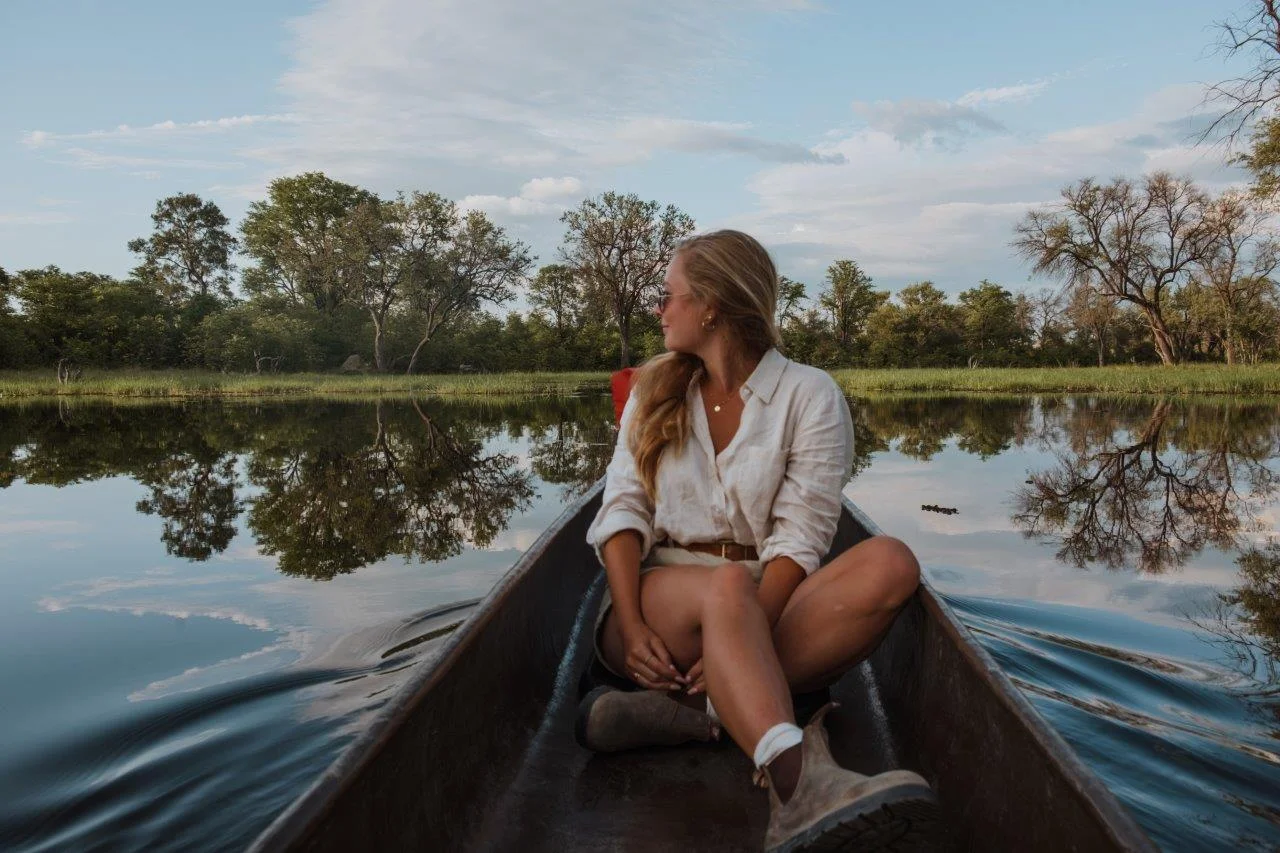
- Mokoro (canoe) safaris: The iconic experience. Skilled polers guide traditional dugout canoes (now often fiberglass for sustainability) silently through shallow channels. Glide past lilies, spot birds and antelope up close, and feel the tranquility of the wetlands. This low-impact activity is perfect for photography and immersion.
- Boat cruises: Motorized boats explore deeper lagoons and permanent waterways, ideal for hippo and crocodile viewing or sunset drinks.
- Game drives: Open 4×4 vehicles navigate islands and floodplains for big game. Day and night drives reveal different behaviors, with spotlights highlighting nocturnal animals.
- Walking safaris: Accompanied by armed guides, these allow tracking spoor, learning about smaller creatures, plants, and ecology. They provide an intimate perspective on the bush.
- Scenic flights: Helicopter or fixed-wing flights offer aerial views of the Delta’s patterns—channels, islands, and wildlife herds. A highlight for many visitors.
Additional options in some areas include horseback safaris, fishing, or visits to local communities. Activities vary by camp and season, with water-based ones peaking during high floods.
Best Time to Visit Okavango Delta
Timing shapes your Okavango Delta safari experience significantly.
- Dry season (May to October): Prime for wildlife viewing. As surrounding areas dry out, animals concentrate around the Delta’s water. Floodwaters (peaking June–August) enable excellent mokoro and boat activities alongside game drives. Weather is cool and dry, with highs around 25–30°C. July to October often delivers the best predator sightings and overall game density.
- Flood/transition season (April–June): Water levels rise, creating new channels. Landscapes turn lush, and birding improves.
- Green/wet season (November to April): Lush vegetation, newborn animals, and spectacular birdlife (migrants arrive). Fewer crowds and lower rates, but some areas may flood, limiting access, and wildlife disperses. Thunderstorms add drama, though January–March can see heavier rains and lodge closures.
Peak months for most visitors are June to October. Shoulder periods (May, November) balance cost and quality. The “best time” depends on priorities: concentrated game (dry season) or emerald landscapes and solitude (green season).
Accommodation Options: Where to Stay in the Okavango Delta
The Delta is one of Africa’s most exclusive and expensive safari destinations, emphasizing low-volume, high-quality tourism.
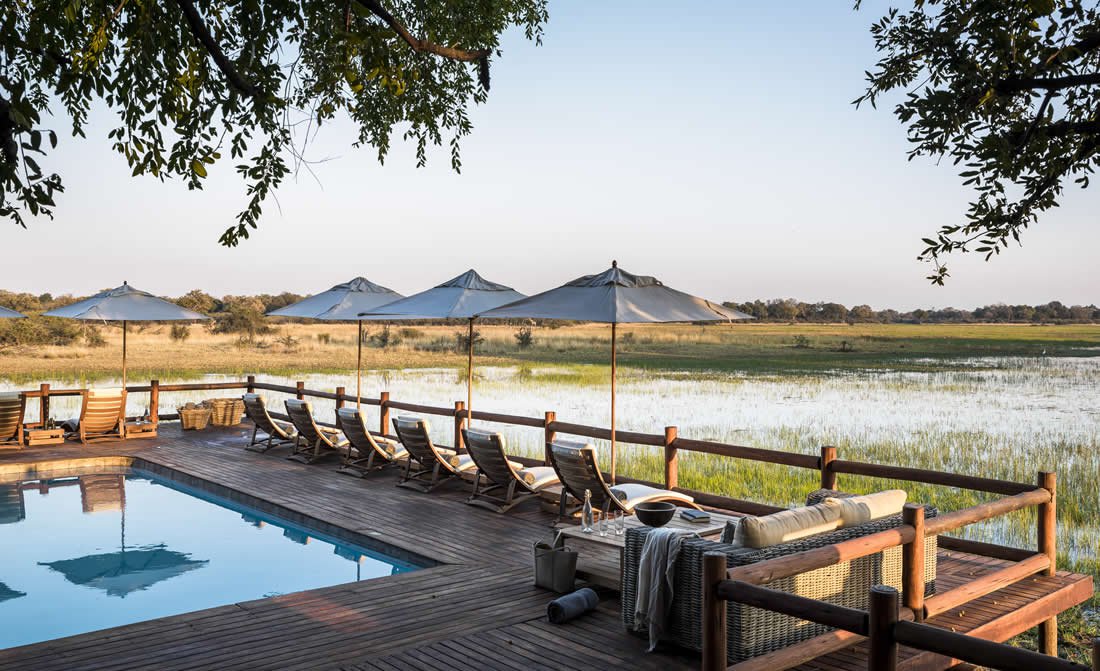
Luxury lodges feature spacious tents or suites on raised decks, private plunge pools, gourmet dining, and personalized service. Iconic properties offer all-inclusive rates covering meals, drinks, activities, and transfers. Some camps specialize in water or land experiences.
Tented camps range from comfortable mid-range to ultra-luxury mobile setups. Many blend seamlessly into the environment with eco-friendly designs.
Private concessions allow exclusive access, fewer vehicles per sighting, and flexible activities. These areas often deliver the most intimate safaris.
Costs reflect the remoteness and conservation focus. Expect high-end lodges to charge significantly, making it a premium choice.
Pros and Cons of Visiting the Okavango Delta
Pros:
- Unique water-based safari experience unmatched elsewhere.
- High wildlife density and biodiversity, including strong Big 5 opportunities.
- Pristine, low-impact tourism with excellent guiding.
- Diverse activities blending land and water.
Cons:
- Expensive—one of the costliest safari destinations.
- Remote location requiring internal flights.
- Limited true budget options; most experiences target luxury travelers.
How to Get There: Getting to the Okavango Delta
Access begins with a flight into Maun, Botswana’s gateway town, which has an international airport with connections from Johannesburg or other hubs.
From Maun, most visitors transfer via light aircraft (shared charters) to remote airstrips near camps. These scenic 15–30 minute flights offer stunning aerial views of the Delta. Some lodges arrange road transfers in drier periods, but flying is standard due to the wetland terrain.
Is the Okavango Delta Worth It?
Yes—absolutely—for those who value exclusivity and unforgettable wilderness. The combination of inland delta landscapes, abundant wildlife, and varied safari activities creates a bucket-list experience.
It suits luxury travelers seeking quality over quantity. While costly, the memories and conservation impact make it worthwhile for many.
How much does the Okavango Delta safari cost? Luxury all-inclusive packages often start from around $1,000–$3,500+ per person per night in high season, with some ultra-luxury options higher. Multi-day safaris can total thousands per person, excluding international flights. Shoulder seasons offer better value.
FAQs About the Okavango Delta
Is the Okavango Delta safe?
Yes, with professional guides, well-managed camps, and Botswana’s stable environment. Standard safari safety protocols (no walking alone, following guide instructions) apply. Malaria precautions are advised.
How much does a safari cost?
As noted, luxury experiences range widely but are premium-priced due to exclusivity.
What animals can you see?
Elephants, lions, leopards, buffalo, hippos, crocodiles, diverse antelope, and over 400 bird species. Big 5 possible.
When is the best time to visit?
June to October for peak wildlife and water activities.
In which country is Okavango Delta?
Botswana.
Okavango Delta lions and other specifics: Prides are common; the Delta supports healthy predator populations.
Okavango Delta vs Uganda Safari Experience: A Smart Comparison
Travelers often compare destinations to maximize value. Here’s how the Okavango Delta stacks up against Uganda safaris:
|
Feature |
Okavango Delta |
Uganda |
|
Cost |
Very high (luxury-focused) |
More affordable, with options for various budgets |
|
Experience |
Water safaris, mokoro, boat-based wildlife |
Gorilla trekking, chimpanzee tracking, Big 5 game drives |
|
Uniqueness |
Inland delta with seasonal floods |
Mountain gorillas and dense primate populations |
|
Accessibility |
Remote light aircraft transfers |
Easier road circuits from Entebbe, though some drives are long |
The Delta excels in serene water experiences and elephant concentrations, while Uganda offers intimate primate encounters and a broader range of affordable wildlife options. Many combine both for a complete African safari.
Why You Should Add Uganda to Your Safari: Introducing Gorilla Trekking
For a truly once-in-a-lifetime addition, consider Uganda. Home to nearly half the world’s remaining mountain gorillas, Uganda delivers an intimate, emotional experience unmatched elsewhere.
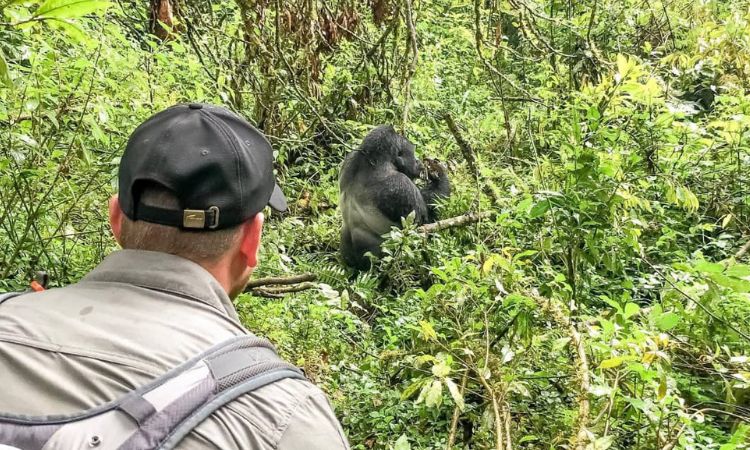
Gorilla trekking in Bwindi Impenetrable National Park or Mgahinga Gorilla National Park involves hiking through misty rainforests to spend one precious hour with a habituated gorilla family. Permits allow small groups, emphasizing conservation and minimal disturbance.
The trekking itself—through dense vegetation—builds anticipation before the awe-inspiring close encounters with these gentle giants.
Uganda complements the Delta perfectly: one offers watery luxury and big game; the other, forested adventure and primates. Permits in Uganda are more accessible in cost compared to some alternatives, making it a practical extension.
Multi-Destination Idea: Combine Okavango Delta with Uganda Safari
Create a powerful itinerary by linking Botswana → Uganda. Start with luxury water safaris in the Delta, then fly to Uganda for gorilla trekking and classic savanna game drives (Queen Elizabeth or Murchison Falls).
This luxury + adventure combo delivers diversity—wetlands to rainforests—while optimizing time and creating a richer narrative of Africa’s wonders. Customized multi-country packages make logistics seamless.
Conclusion: From Okavango Delta to Uganda’s Gorilla Forests
While the Okavango Delta offers one of Africa’s most luxurious and unique safari experiences—with its magical inland delta, abundant Okavango Delta animals, and blend of land and water adventures—it represents just one chapter in the continent’s safari story.
For travelers seeking something even more intimate and rare, encountering the endangered mountain gorilla in the wild forests of Uganda adds a deeper, more personal dimension. The thrill of gorilla trekking in Bwindi or Mgahinga creates memories that resonate on a profoundly emotional level.
At All Uganda Safari Tours Ltd, we specialize in crafting seamless extensions and standalone experiences across Uganda. Whether you’re planning gorilla trekking safaris, comprehensive wildlife tours, or fully customized itineraries that blend Uganda with other destinations like the Okavango Delta, our team designs journeys tailored to your interests, budget, and pace.
From expert guides to responsible tourism practices, we ensure every detail supports conservation and delivers authentic adventure.
Ready to explore further? Contact All Uganda Safari Tours Ltd to start planning your ultimate African safari—whether focusing on Botswana’s wonders or extending into Uganda’s primate-rich highlands. Africa’s diversity awaits, and the next unforgettable chapter could begin with a simple conversation.