
Butterfly: Life Cycle, Habitat, Diet & Amazing Facts
Butterflies are among the most captivating creatures on Earth, enchanting students, nature lovers, wildlife readers, gardeners, travelers, and science enthusiasts alike with their delicate beauty and remarkable transformations.
These colorful insects belong to the order Lepidoptera and play a vital role in ecosystems as pollinators. Their graceful flight and vibrant patterns make them symbols of renewal and biodiversity.
Whether you’re researching butterfly species, planning a garden to attract them, or dreaming of butterfly migration spectacles, this comprehensive guide covers everything from butterfly anatomy and butterfly metamorphosis to conservation and prime viewing spots in Uganda.
What Is a Butterfly?
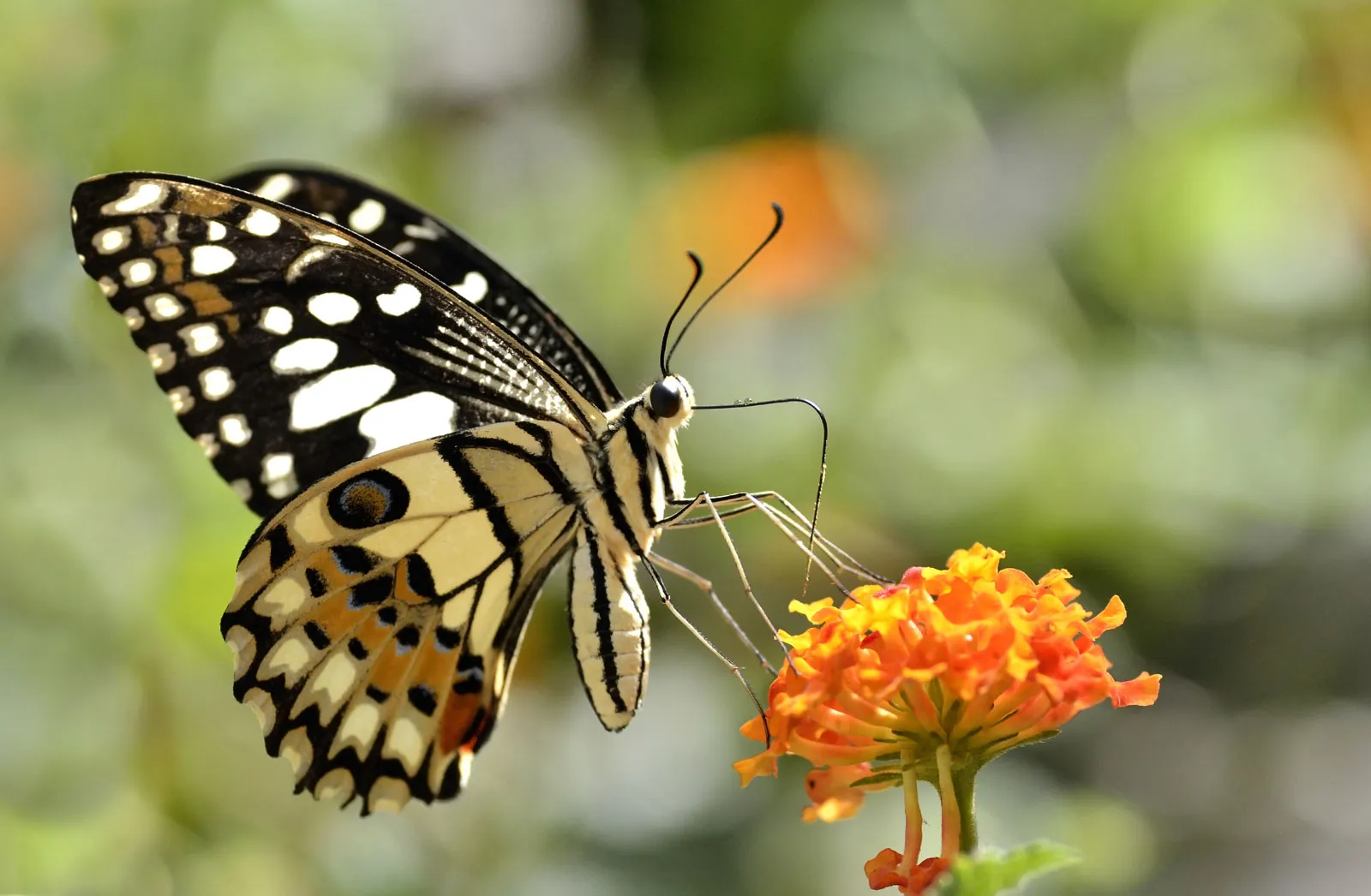
A butterfly is a flying insect characterized by large, often brightly colored wings covered in tiny scales. Scientifically, butterflies fall under the superfamily Papilionoidea within Lepidoptera. Like all insects, they have three body segments (head, thorax, abdomen), six legs, and antennae.
Key differences from moths: Butterflies are typically active during the day (diurnal), have clubbed antennae, and hold their wings vertically when resting. Moths are often nocturnal, with feathery or thread-like antennae, and rest with wings flat or tent-like.
Both have wings covered in scales—the source of their colors and patterns—but butterfly scales create the vivid iridescence many admire.
Butterfly wings are transparent membranes supported by veins, overlaid with microscopic scales that reflect light or contain pigments.
This structure explains why butterflies are colorful: scales produce structural colors (like the iridescent blue of the Morpho) through light interference, alongside chemical pigments for reds, yellows, and blacks.
Butterfly Life Cycle: Complete Metamorphosis
How long do butterflies live?
One of the most searched topics is the butterfly life cycle, a stunning example of complete metamorphosis. Butterflies undergo four distinct stages, transforming dramatically from egg to adult.
1. Egg Stage: Females lay tiny, species-specific eggs (often oval or cylindrical) on host plants that will feed the larvae. Eggs hatch in days to weeks, depending on temperature.
2. Caterpillar (Larva) Stage: The hatched larva, or caterpillar, eats voraciously to grow. It sheds its exoskeleton multiple times (instars) as it expands up to 2,000 times in mass for some species like the Monarch. Caterpillars are eating machines, adapted for survival with camouflage or warning colors.
3. Chrysalis (Pupa) Stage: The mature caterpillar attaches to a surface and forms a protective chrysalis. Inside, tissues break down and reorganize—a radical transformation called butterfly metamorphosis. This stage lasts 8–15 days or longer.
4. Adult Butterfly Stage: The adult emerges, pumps fluid into its wings to expand them, and waits for them to harden. It then seeks nectar and mates to continue the cycle.
Butterfly Life Cycle Stages Table:
|
Stage |
Description |
Duration (approx.) |
Key Adaptations |
|
Egg |
Laid on host plants |
Days to weeks |
Protective shell |
|
Caterpillar |
Feeding and growth stage |
2–6 weeks |
Voracious appetite, molting |
|
Chrysalis |
Transformation (metamorphosis) |
8–20 days |
Complete body reorganization |
|
Adult |
Reproductive and dispersal stage |
Weeks to months |
Flight, feeding, mating |
This process fascinates students and science searches, highlighting nature’s engineering.
Different Types of Butterflies
There are over 20,000 butterfly species worldwide, varying in size, color, and behavior.
- Monarch Butterfly (Danaus plexippus): Iconic orange-and-black migrant known for long-distance travel. Wingspan ~4 inches.
- Blue Morpho Butterfly (Morpho peleides): Famous for shimmering blue wings (5–8 inches span) in Central/South American rainforests. Iridescence comes from scales, not pigment.
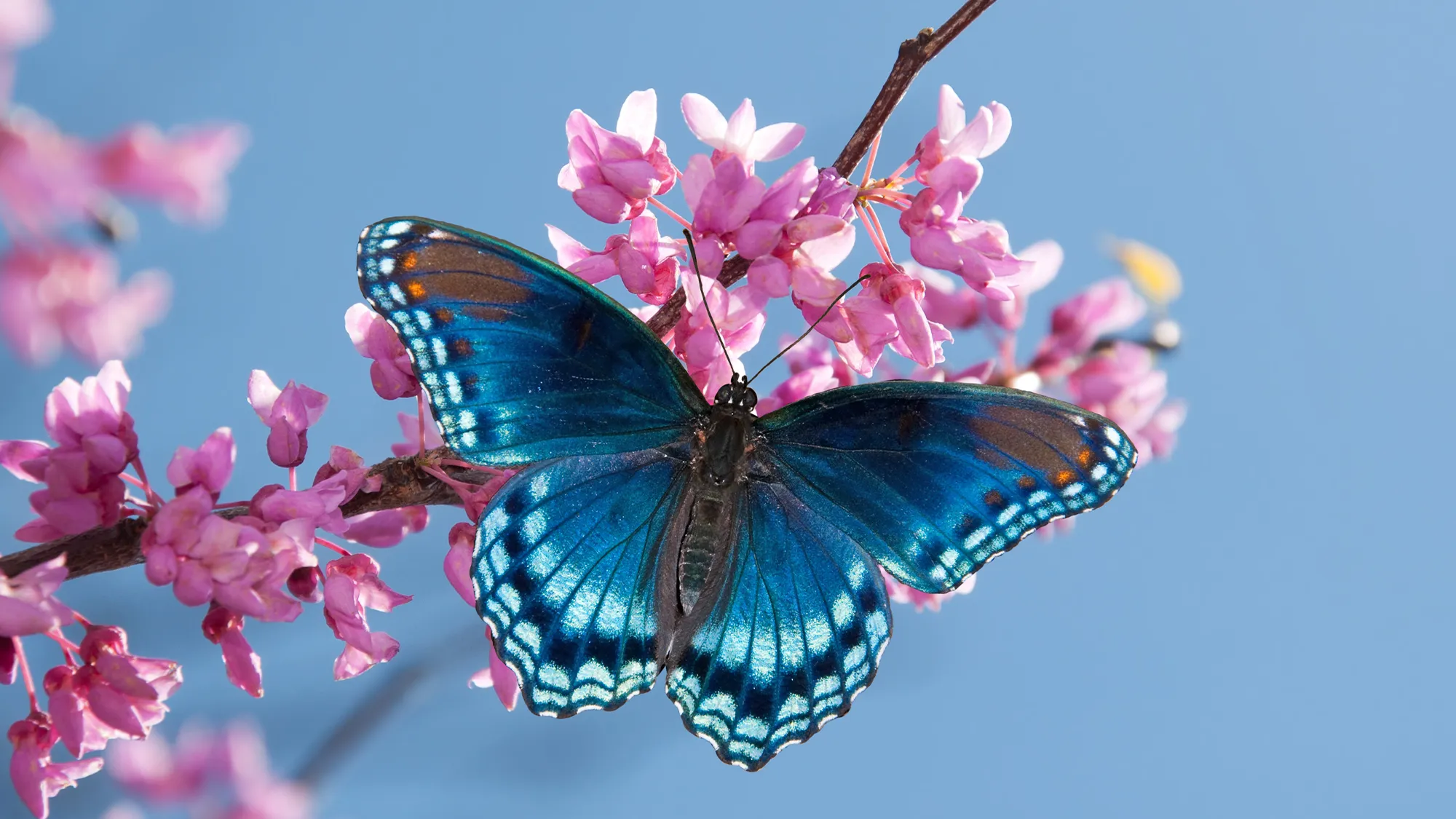
- Swallowtail Butterfly: Recognized by tail-like wing extensions; includes many colorful species across continents.
- Painted Lady Butterfly (Vanessa cardui): Widespread migrant with orange, black, and white patterns; one of the most common globally.
Types of butterflies range from tiny blues to large swallowtails, with habitats and migration patterns influencing their traits. Size differences help with identification—Monarchs are larger than Painted Ladies.
Butterfly Habitat: Where Do Butterflies Live?
Butterfly habitat varies widely: forests, grasslands, gardens, wetlands, and tropical rainforests. Most species thrive in warm, flower-rich areas, but some tolerate deserts or alpine zones.
They live on every continent except Antarctica. In South America’s Amazon (e.g., Brazil), Blue Morphos dazzle in rainforests. Australia hosts unique endemics. African rainforests, particularly in Uganda, Kenya, and Rwanda, boast exceptional diversity.
Tropical rainforests support the highest numbers due to abundant nectar and host plants. Gardeners can create habitats with native flowers, while travelers seek pristine ecosystems.
What Do Butterflies Eat?
What do butterflies eat? Adults primarily consume nectar from flowers using a coiled proboscis—a straw-like mouthpart that uncoils for feeding. They also sip tree sap, fruit juices, and minerals from mud puddles (puddling).
Caterpillars eat leaves of specific host plants. This diet supports pollination: as butterflies move between flowers, pollen transfers, aiding plant reproduction and biodiversity.
Butterfly Anatomy
Understanding butterfly anatomy deepens appreciation:
- Head: Compound eyes (detect motion, color, UV light), clubbed antennae (smell, balance), proboscis.
- Thorax: Attachment for six legs and four wings; powers flight.
- Abdomen: Digestion, reproduction, breathing via spiracles.
- Wings: Two pairs (forewings, hindwings) covered in scales.
Butterflies taste with their feet and see ultraviolet patterns invisible to humans.
Butterfly Behavior and Adaptations
Butterfly behavior includes camouflage, mimicry (e.g., eye spots deterring predators), warning colors (aposematism), and elaborate mating dances. Many bask in sunlight to warm flight muscles.
Butterfly migration is extraordinary. Monarchs travel thousands of kilometers from North America to Mexico/California, using sun compass, magnetic cues, and inherited navigation. Multiple generations complete the round trip.
Why Butterflies Are Important to Nature
Butterflies are key pollinators, supporting food chains, plant diversity, and ecosystem health. They indicate environmental quality—declines signal broader issues. As prey, they sustain birds and other wildlife.
Butterfly Conservation
Butterfly conservation is critical amid habitat destruction, climate change, pesticides, and invasive species. Populations have dropped sharply in some regions.
Efforts include planting butterfly gardens, reducing pesticides, protecting habitats, and eco-tourism. Gardeners can help by choosing native nectar and host plants. Travelers support conservation through responsible tours.
Butterflies in Africa: Focus on Uganda
Africa’s tropical diversity shines in Uganda, home to over 1,200 butterfly species—about 33% of Afro-tropical species, with dozens endemic.
Prime spots for butterfly watching include:
- Kibale Forest National Park: Exceptional diversity; fruit- and flower-feeding species abound.
- Bwindi Impenetrable National Park: Over 300 species recorded; lush rainforest ideal for spotting.
- Mabira Forest: Accessible from Kampala, great for day trips.
- Others: Budongo Forest, Bigodi Wetland, Semuliki.
Butterfly watching tours in Uganda offer guided experiences blending butterfly spotting with primates, birds, and scenery. These sustainable tours support local communities and habitat protection.
Imagine walking rainforest trails as hundreds of colorful butterflies flutter around you—iridescent blues, vibrant oranges, and subtle camouflaged species revealing nature’s artistry.
For nature lovers, travelers, and wildlife readers, Uganda’s butterfly tours provide unforgettable immersion. Combine with gorilla trekking or birding for a rich safari. The best time aligns with wet seasons when flowers and butterflies peak.
Book ethical operators prioritizing conservation—these experiences create memories while contributing to butterfly conservation. Uganda’s forests are a global treasure; visiting responsibly helps preserve them for future generations of students and enthusiasts.
Interesting Butterfly Facts
- Butterflies taste with their feet.
- Some migrate thousands of kilometers.
- Wings are transparent beneath scales.
- They see ultraviolet light.
- How long do butterflies live? Adults typically live weeks to months; the whole cycle spans months.
- How butterflies are born: Through the egg-to-adult metamorphosis detailed above.
FAQs About Butterflies
How long do butterflies live? Adult lifespans vary from a week to several months, influenced by species and conditions.
What do butterflies eat? Mainly nectar; some sip sap or minerals.
How do butterflies reproduce? Females lay eggs on host plants after mating.
Why are butterflies colorful? For mating, camouflage, warning, and thermoregulation via scales.
Do butterflies sleep? They rest at night or in cool weather, often hanging from leaves.
What is butterfly metamorphosis? The complete transformation across four life stages.
Are butterflies insects? Yes.
What attracts butterflies to gardens? Nectar-rich flowers, host plants, water, and shelter. Avoid pesticides.
Butterflies connect us to nature’s wonders. From backyard gardeners planting flowers to travelers exploring Uganda’s rainforests on specialized butterfly watching tours, these insects inspire awe and action.
Support conservation, create habitats, and seek them in the wild. Their future—and ecosystem health—depends on our efforts. Whether studying for school or planning an adventure, butterflies reward curiosity with beauty and insight.