3 Days Serengeti & Ngorongoro Crater Safari: Big Game Drives
A 3 Days Serengeti & Ngorongoro Crater Safari offers one of Africa’s best wildlife experiences, combining vast plains and a unique volcanic ecosystem.
This short but rewarding Tanzania safari itinerary delivers incredible chances to see the Big Five—lion, leopard, elephant, buffalo, and rhino—along with the drama of the Great Migration.
Perfect for travelers with limited time, a 3 days Serengeti safari paired with Ngorongoro Crater provides dense wildlife concentrations, breathtaking landscapes, and unforgettable memories without requiring weeks in the bush.
Many visitors ask if a Tanzania safari 3 days is enough. While the Serengeti spans nearly 15,000 square kilometers, this focused Ngorongoro Crater safari itinerary maximizes your time with expert guiding, strategic routing, and high-probability sightings.
You’ll experience the endless golden plains of the Serengeti, home to massive herds and predators, then descend into the Ngorongoro Crater—a self-contained “Noah’s Ark” with one of the highest wildlife densities in Africa.
Day-by-Day Itinerary for Your 3 Days Serengeti & Ngorongoro Crater Safari
Day 1: Arusha to Serengeti National Park – Arrival and First Game Drives
Your adventure begins with an early morning pickup from your hotel in Arusha (or directly from Kilimanjaro International Airport). The drive to Serengeti National Park covers approximately 325–350 km and takes 6–8 hours, depending on stops and road conditions.
This scenic journey passes through the Ngorongoro Conservation Area highlands, offering your first glimpses of wildlife even before entering the park proper.
As you ascend into the cooler, misty highlands, keep your eyes peeled for baboons, buffaloes, or elephants in the dense vegetation. You’ll stop for lunch en route, often at a viewpoint overlooking the crater or in Karatu town. Upon reaching the Naabi Hill Gate or another entry point, you enter the Serengeti’s iconic short-grass plains.
Afternoon game drives start immediately. In the central Serengeti (Seronera area, common for this itinerary), the landscape features acacia trees, rocky outcrops (kopjes), and the Seronera River—prime habitat for lions, cheetahs, elephants, giraffes, zebras, wildebeest, and gazelles. Your experienced guide will track fresh prints and listen for alarm calls from birds or monkeys to locate big cats.
Evening brings you to your lodge or camp as the sun sets in a blaze of orange over the plains. Enjoy a hearty dinner under the stars, often with the distant sounds of hyenas or lions.
Overnight in Serengeti. This day sets the tone for the 3 days Serengeti safari, blending travel with immediate wildlife immersion.
Day 2: Full Day in Serengeti National Park – Deep Wildlife Exploration
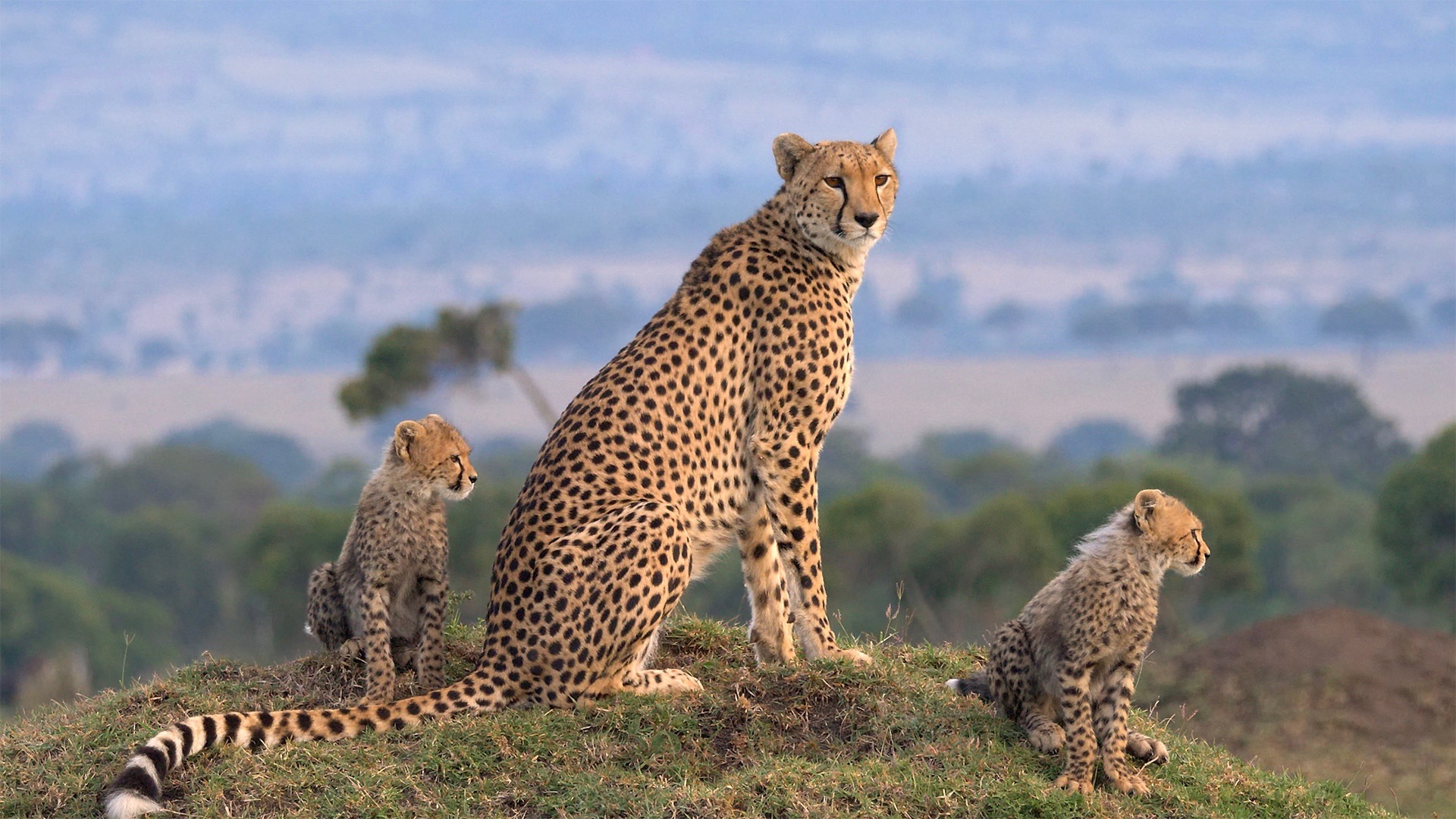
Rise early for a sunrise game drive—the best time for predator activity. Lions often hunt at dawn, while cheetahs take advantage of the cooler temperatures.
In the central Serengeti, you have excellent chances of spotting prides of lions lounging on kopjes, leopard sightings in trees, and large elephant herds.
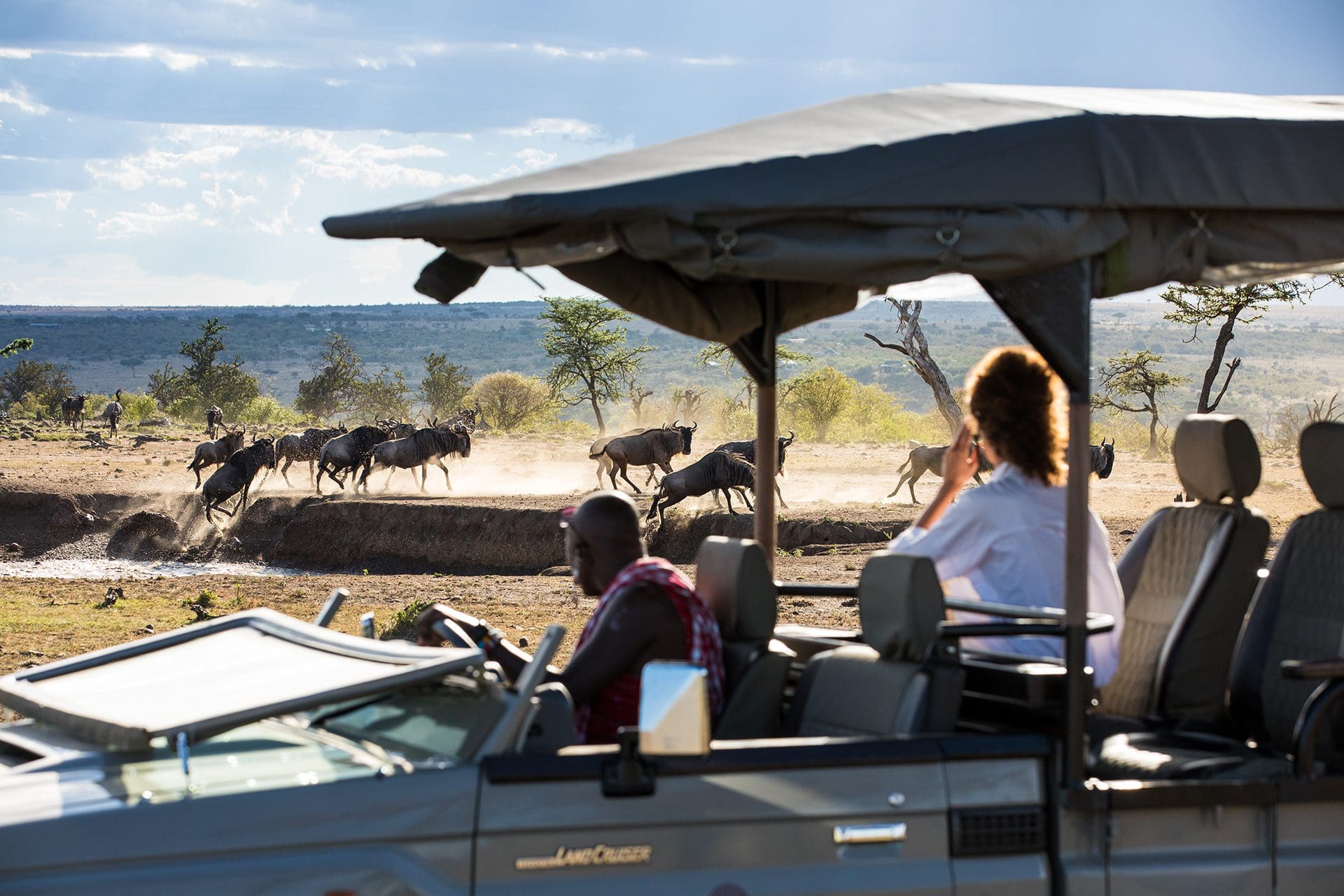
The area supports resident wildlife year-round, but the Great Migration can add thousands of wildebeest and zebras depending on the season.
Spend the full day on game drives, breaking for a picnic lunch in the bush. Your guide may take you to areas with high concentrations of animals: river crossings for hippos and crocodiles, or open plains for Thomson’s gazelles and topi. Look specifically for the Big Five and cheetahs, which favor the open terrain here.
In the late afternoon, transfer toward the Ngorongoro area (about 5 hours, with possible en-route game viewing). You’ll overnight on the crater rim or in nearby Karatu, enjoying cooler highland temperatures and stunning views.
This full day in Serengeti maximizes your exposure to the park’s diversity, making the Tanzania safari 3 days feel far more substantial than the duration suggests.
Day 3: Ngorongoro Crater Game Drive and Return to Arusha
After breakfast, descend the steep, winding road into the Ngorongoro Crater— a 600-meter-deep caldera formed from a collapsed volcano. This 20-km-wide “garden of Eden” hosts over 25,000 large mammals in a contained ecosystem, creating unmatched wildlife density.
A full morning to mid-afternoon game drive here often yields the Big Five in a single day. The crater floor features grasslands, swamps, and forests ideal for spotting black rhinos (one of the best places left in Africa for this endangered species), large buffalo herds, elephants, and lions (with one of Africa’s densest populations). Leopards hide in the wooded areas, while flamingos may tint the lakes pink.
The enclosed nature means animals don’t migrate far, offering reliable sightings. Your guide will navigate tracks around the crater, stopping for photos and explanations of the unique geology and ecology. Lunch is usually enjoyed with a view of the crater floor.
In the afternoon, ascend and drive back to Arusha (about 3–4 hours from the crater rim). You’ll arrive in the evening, tired but fulfilled from this compact yet powerful Ngorongoro Crater safari itinerary.
This structure—Day 1 travel with afternoon drive, full Day 2 in Serengeti, and focused Day 3 in Ngorongoro—optimizes time while delivering high-impact wildlife viewing.
End of the 3 Days Serengeti & Ngorongoro Crater Safari
3 Days Serengeti & Ngorongoro Crater SafariIncludes & Excludes
What’s Included:
- Park fees (Serengeti and Ngorongoro Conservation Area fees are significant—around $70–$100+ per person per day).
- Transport in 4×4 vehicle.
- Accommodation (2 nights).
- Meals (full board usually).
- English-speaking guide/driver.
- Bottled water during drives.
Excludes: International flights, visa fees, travel insurance, tips to driver/guide, alcoholic beverages, personal expenses, optional activities (balloon safari, Maasai village visit), and any items not mentioned in the inclusions.
Wildlife Experience: Big Five and Dense Populations
The Serengeti and Ngorongoro together provide one of the richest wildlife spectacles on the planet. The Big Five take center stage. In Serengeti, lions are abundant, often seen in prides; leopards rest in acacia trees; elephants roam in family groups; buffaloes graze in herds; and black rhinos appear occasionally in thicker bush.
Ngorongoro Crater excels here with its high density—lions, buffaloes, and elephants are common, while the crater offers better odds for rhinos than most places. Leopards require patience but reward lucky viewers.
Beyond the Big Five, expect cheetahs (especially in Serengeti’s open plains), hyenas, jackals, hippos, giraffes, and over 500 bird species.
The crater’s unique volcanic ecosystem creates a natural amphitheater where animals thrive in a year-round water-rich environment, unlike the more seasonal Serengeti plains. This density means shorter search times and more observation time—ideal for a 3-day Tanzania safari.
The Great Migration – A Major Highlight
No discussion of a 3 days Serengeti safari is complete without the Great Migration, often called the world’s greatest wildlife show. Over 1.5 million wildebeest, 200,000 zebras, and thousands of gazelles move in a continuous cycle across the Serengeti-Mara ecosystem, driven by rains and fresh grass.
- Calving Season (January–March) — Southern Serengeti and Ndutu areas explode with life as nearly 500,000 calves are born in a short window. Predators converge, creating dramatic chases.
- June–October (Dry Season Peak) — Herds move northward through the Western Corridor and into northern Serengeti, with famous Mara River crossings full of drama (crocodiles, chaos, and survival).
Even in a short itinerary, you may witness parts of this movement, especially if visiting during peak months. Your guide will position you optimally based on current herd locations.
The migration adds raw power and scale to your Ngorongoro Crater safari experience, reminding visitors of nature’s grand cycles.
Best Time to Visit for Your 3 Days Serengeti Safari
Tanzania offers year-round safari opportunities, but timing enhances specific experiences:
- June–October (Dry Season): Excellent visibility, fewer mosquitoes, and peak migration action in northern/central areas. Ideal for river crossings.
- January–March (Calving): Lush landscapes and predator action in the south.
- November–May (Wet/Green Season): Fewer crowds, lower prices, and beautiful scenery, though some roads can be muddy.
A 3-day itinerary works well anytime, but book migration-focused periods early due to demand.
Accommodation Options
- Budget: Public campsites or basic tented camps inside or near the parks—simple but immersive under the stars.
- Mid-range: Lodges like Serengeti Serena Safari Lodge, Kubu Kubu Tented Lodge, or Ngorongoro Serena Safari Lodge—comfortable rooms, good food, and prime locations with crater or plains views.
- Luxury: Properties like &Beyond Ngorongoro Crater Lodge, Singita lodges in Serengeti, or Lemala camps—opulent tents/suites, private services, and world-class hospitality.
Choose based on budget and preferences; mid-range often strikes the best balance for value and comfort on a short safari.
What to Pack for Your Tanzania Safari
Pack light but smart for variable conditions:
- Neutral-colored clothing (khaki, beige, green) in breathable fabrics—long sleeves/pants for sun and insects, layers for cool mornings/evenings (especially on the crater rim, where temperatures drop).
- Warm jacket or fleece and rain poncho.
- Comfortable closed-toe shoes for walks, plus sandals for camp.
- Wide-brimmed hat, sunglasses, sunscreen (high SPF), and insect repellent.
- Camera with zoom lens, binoculars, spare batteries, and memory cards.
- Personal medications, malaria prophylaxis if advised, and a small daypack.
- Reusable water bottle.
Avoid bright colors and strong perfumes. A good camera helps capture “Serengeti safari wildlife Tanzania” moments for your memories.
FAQs About 3 Days Serengeti & Ngorongoro Crater Safari
Is 3 days enough for Serengeti?
Yes, for a focused introduction. You’ll see abundant wildlife and possibly migration elements, though longer stays allow deeper exploration. Many find it highly rewarding and return for more.
What animals will I see?
High chances of the Big Five, plus cheetahs, hyenas, hippos, giraffes, and countless plains game. Ngorongoro boosts rhino odds.
How far is Serengeti from Arusha?
About 325–350 km; 6–8 hours by road. The scenic drive via Ngorongoro adds value with early sightings.
Is Ngorongoro worth visiting?
Absolutely. Its compact size, high density, and dramatic setting complement the vast Serengeti perfectly—many call it a safari highlight.
Other common questions cover malaria precautions, tipping etiquette, and child policies—consult your operator.
Ready to Book Your Tanzania Safari?
Discover Tanzania’s iconic wildlife destinations with our expertly guided Serengeti and Ngorongoro safari packages. Whether you seek the thrill of the Great Migration or the intimate Big Five encounters in the crater, this 3 days Serengeti safari delivers.
Contact us at Nature Safaris Africa (or your preferred operator) today for tailored 3 Day Tanzania Safari: Serengeti & Ngorongoro itineraries, costs, and packages. Our team handles everything—from vehicle upgrades to special dietary needs—so you focus on the adventure.
Explore more with our Tanzania safaris, compare with Kenya safaris, or combine with gorilla trekking in Uganda or Rwanda for the ultimate East Africa experience.
Don’t miss this opportunity to witness Africa’s wild heart. Book now and create lifelong memories on the plains and in the crater. Your African safari adventure awaits!