
What do chimpanzees eat | A Fascinating Insight
What do chimpanzees eat: Chimpanzees are omnivores, meaning they eat both plants and animals. This applies to the common chimpanzee (Pan troglodytes), our closest living relatives, whose diet in the wild consists primarily of plant-based foods but includes occasional animal protein from insects and meat.
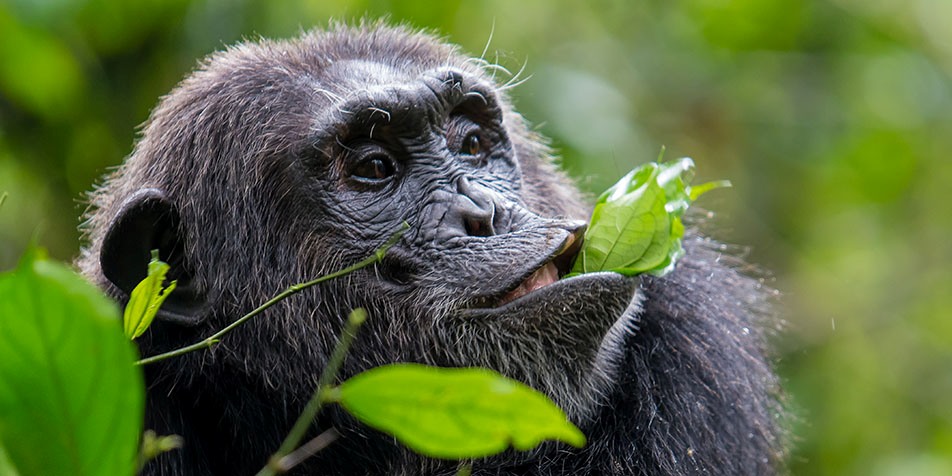
Main Foods Chimpanzees Eat
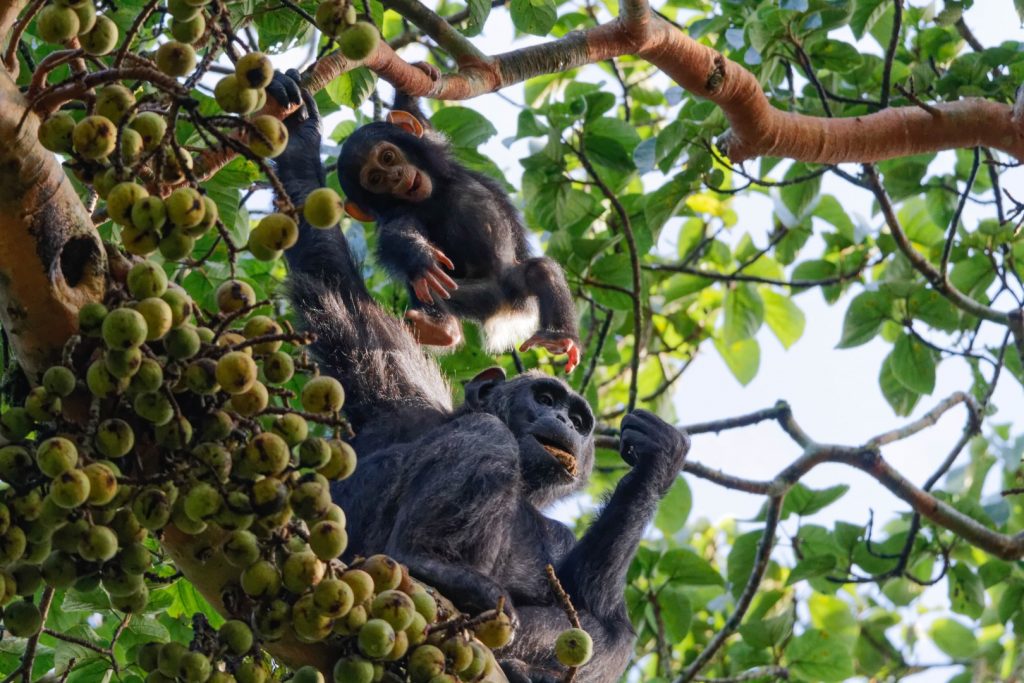
Chimpanzees have a diverse diet, with fruits forming the cornerstone. Fruits make up the bulk of their intake, often estimated at 50–70% or more depending on availability and location.
Preferred fruits include figs (a staple in many habitats, sometimes comprising nearly half of consumed food in areas like Kibale), bananas, berries, mangoes, and other wild varieties. Chimps are particularly fond of sweet, ripe fruits and will travel significant distances to find them.
Next in importance are leaves and vegetation, including young leaves, stems, flowers, shoots, and bark. These provide essential fiber and nutrients, especially when fruits are scarce. Young leaves are favored for their higher protein content and easier digestibility.
Insects form another key category, accounting for around 4% of the diet in many studies. Termites and ants are favorites, with chimpanzees famously using tools—such as modified sticks—to “fish” for termites from mounds or extract ants. This behavior, first documented by Jane Goodall, highlights their intelligence and adaptability.
Seeds and nuts, like oil palm nuts, add fats and proteins. Chimps crack nuts with stones in some populations, another example of tool use.
Meat is consumed, though in small amounts—typically less than 2–6% of the overall diet. Yes, chimpanzees eat meat, primarily from small mammals such as monkeys (especially red colobus monkeys, a preferred prey), small antelopes (like duikers or bushbucks), bushpigs, and occasionally other animals.
They do hunt and eat baboons in some cases, though it’s less common. Chimpanzees do not typically eat fish as a regular part of their diet; while some primates exploit aquatic resources, fish consumption is rare or absent in most chimpanzee populations.
Chimpanzee diet percentages vary by site and season, but a rough breakdown includes:
- Fruits: 50–75%
- Leaves/vegetation: 15–30%
- Insects: ~4%
- Meat/animal products: <2–6%
- Other (seeds, nuts, flowers, etc.): remainder
Do Chimpanzees Eat Meat?
Yes—chimpanzees eat meat, and this was a groundbreaking discovery when Jane Goodall observed it in the 1960s, overturning the prior belief that they were herbivores.
Hunting is more common in some communities than others, often involving cooperative hunting where groups (usually males) work together to pursue prey, such as stalking and chasing red colobus monkeys through trees. They use strategy, sometimes surrounding prey or dividing roles.
Meat is shared socially, often with hunters receiving larger portions and sharing with allies, females, or offspring. This strengthens social bonds and alliances.
How often do chimpanzees eat meat? It varies—some groups hunt several times a month, but overall, meat is opportunistic and not daily.
Adult males consume more than females or juveniles. They do eat monkeys regularly in hunting hotspots, but not baboons as a staple.
How Chimpanzees Find Food
Chimpanzees are skilled foragers, spending much of their day searching for food. They climb trees nimbly to access fruits, move on the ground in knuckle-walking, and cover distances to follow seasonal fruiting patterns.
Tool use is prominent for hard-to-reach items: sticks for termites/ants, stones for nut-cracking, leaves as sponges for water, or even spears in rare cases for bush babies. Foraging is social, with groups splitting and merging (fission-fusion society) to exploit resources efficiently.
How Much Do Chimpanzees Eat Daily
In the wild, chimpanzees consume roughly 1.7–4.5 kg (about 3.75–10 pounds) of food per day, depending on body size, sex, and availability—often 5–10% of their body weight, mostly ripe fruit.
They feed intensively in mornings and late afternoons, with midday rests. Daily patterns involve multiple feeding bouts, totaling 4–7 hours of feeding.
Differences Between Wild and Captive Diet
In the wild, diets are natural and varied: foraged fruits, leaves, insects, and occasional meat, adapting to seasons and requiring effort and tool use. This promotes natural behaviors but risks shortages.
In captive settings (zoos or sanctuaries), diets are controlled for nutrition and health: primarily fruits, vegetables (kale, carrots, apples, bananas), leafy greens, and chow biscuits for balanced vitamins/protein. Meat is rarely given; instead, protein comes from biscuits or insects if foraged.
Captive chimps eat scheduled meals (e.g., breakfast fruits/veggies, snacks, dinner), often 2–4 kg daily, with less foraging but more predictability to prevent obesity or deficiencies.
Seasonal Diet Changes
Chimpanzee diets shift with seasons due to fruit availability. In fruit-abundant wet seasons, they focus on ripe fruits. In dry seasons or low-fruit periods, they increase leaves, stems, insects, and meat hunting. Travel increases during scarcity, prompting more tool use or alternative foraging to compensate for energy demands.
Where Chimpanzees Find Food
Chimpanzees inhabit equatorial African forests, where food is sourced from trees, undergrowth, and termite mounds. Key sites include Kibale Forest National Park (Uganda), rich in figs and diverse fruits, and Budongo Forest (Uganda), known for varied vegetation and insect resources. These forests provide the biodiversity needed for their omnivorous diet.
Interesting Facts About Chimpanzee Diet
Chimpanzees use tools innovatively to access insects or nuts. They share food socially, especially meat, strengthening bonds.
They prefer sweet fruits and may consume fermented fruits with trace alcohol. Some eat medicinal plants for parasites or ailments.
Conservation Connection
Habitat loss from deforestation reduces fruit trees and insect habitats, forcing chimpanzees into human areas or reducing food availability. Protecting forests is crucial for their diet and survival.
In Uganda, the Uganda Wildlife Authority (UWA) manages parks like Kibale, supporting chimpanzee populations through conservation.
For those interested in seeing chimpanzees in their natural habitat, consider responsible chimpanzee trekking experiences, primate safaris, or Uganda wildlife tours to support conservation.
FAQ – What do chimpanzees eat
Are chimpanzees herbivores or carnivores?
Neither—they are omnivores, primarily frugivorous (fruit-eaters) with plant-heavy diets plus insects and meat.
Do chimpanzees eat meat?
Yes, including monkeys and small antelopes, though it’s a small percentage.
What is a chimpanzee’s favorite food?
Sweet fruits like figs and bananas top the list.
How do chimpanzees hunt?
Cooperatively in groups, often targeting monkeys with strategy and sharing spoils.
Do chimpanzees eat bananas?
Yes, they love bananas and other sweet fruits when available.
Do chimpanzees eat monkeys?
Yes, especially red colobus monkeys in many populations.
Do chimpanzees eat baboons?
Occasionally, but not as commonly as smaller monkeys.
Do chimpanzees eat fish?
Rarely or not at all in most populations.
What do chimpanzees eat in the wild?
Mainly fruits, leaves, insects, seeds/nuts, and occasional meat.
How much does a chimpanzee eat per day?
About 1.7–4.5 kg, varying by individual and season.